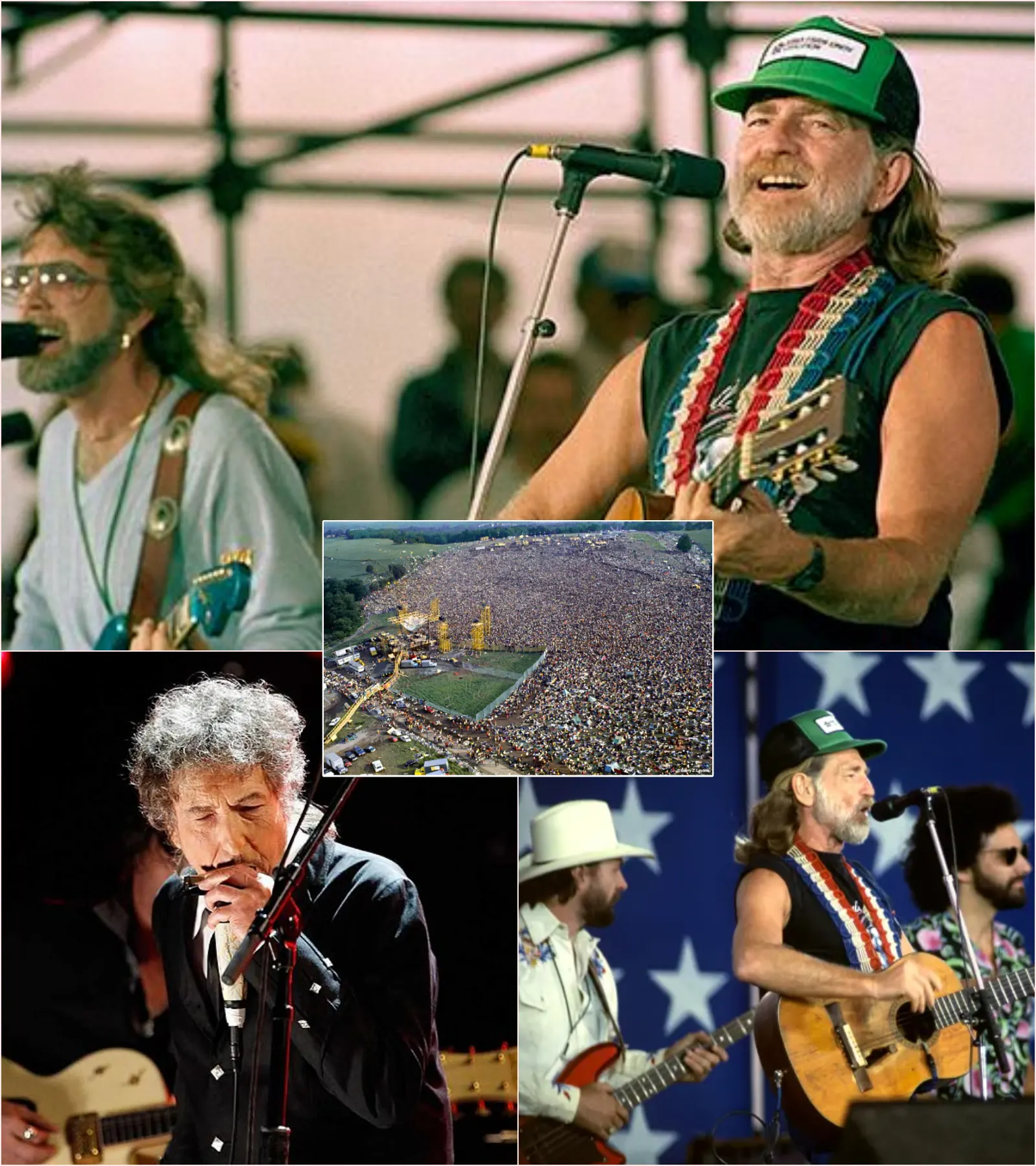
In July 1985, Bob Dylan stood onstage during Live Aid and said something that many people did not know how to handle at first. The world had gathered around a massive benefit concert created to raise money for African famine relief, but Dylan looked toward another crisis and suggested that some attention should also go to American farmers who were losing their land, homes, and way of life. The comment was criticized by some, but for Willie Nelson, it landed with unforgettable force.

Willie later said Dylan’s words hit him “like a ton of bricks,” and that reaction became the beginning of one of the most important benefit movements in American music. Within weeks, Willie reached out to Neil Young and John Mellencamp, and together they began shaping what would become Farm Aid. The first concert took place on September 22, 1985, at Memorial Stadium in Champaign, Illinois, where about 80,000 people gathered for a 14-hour show supporting family farmers.
The timing mattered. Across rural America, farmers were facing crushing debt, falling land values, high interest rates, and bankruptcies that threatened not only individual families, but entire communities. Farms were being lost, auctions were breaking hearts, and generations of work were disappearing in a matter of signatures. For Willie Nelson, a man whose music had always belonged close to working people, the crisis could not remain someone else’s problem.
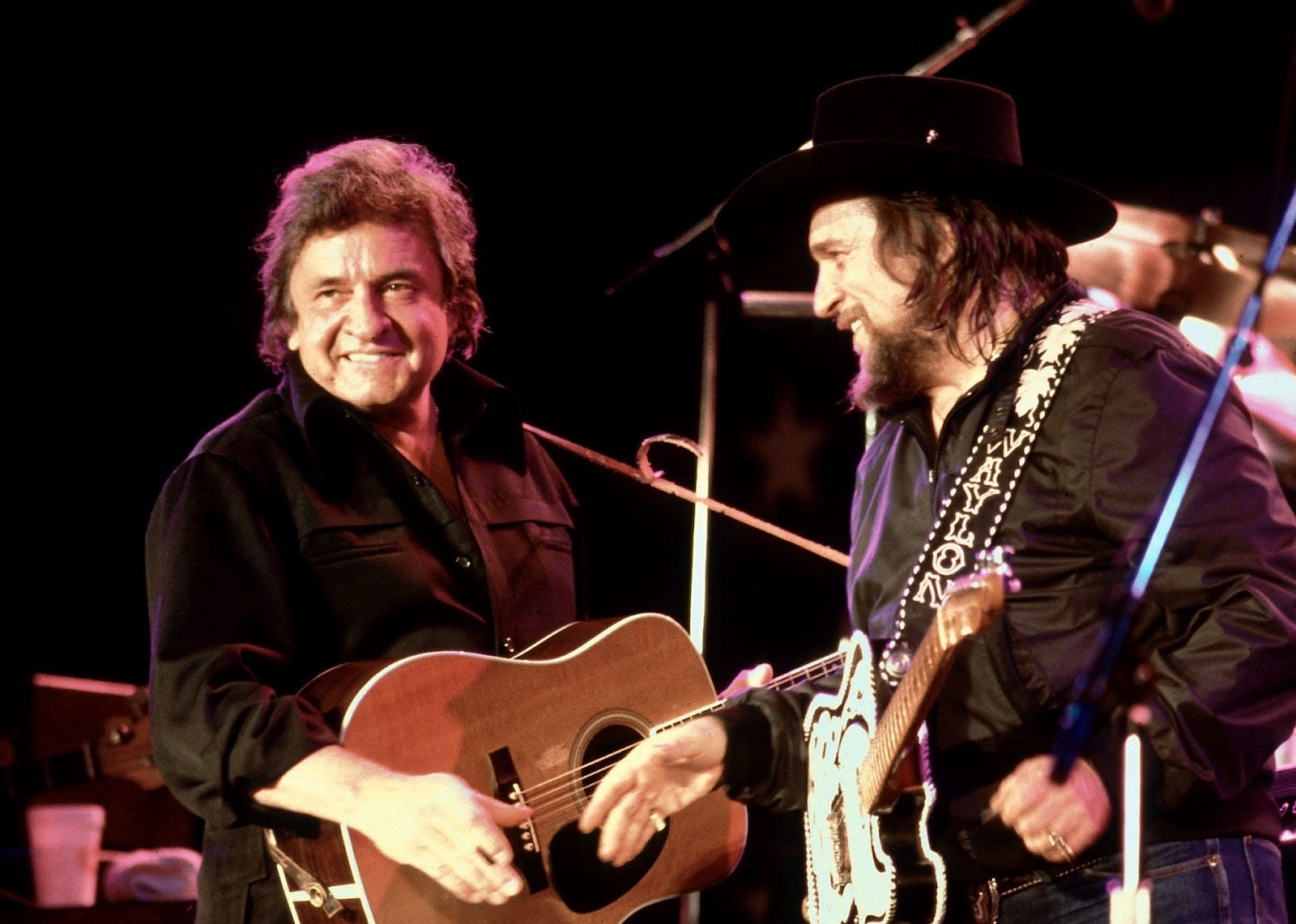
That is why Farm Aid became more than a concert. It was a statement that country music, rock music, blues, folk, and American songwriting could stand together when ordinary people were being pushed toward the edge. The lineup reflected that urgency. Willie Nelson, Neil Young, John Mellencamp, Bob Dylan, Johnny Cash, Loretta Lynn, Billy Joel, B.B. King, and many others helped turn one day in Illinois into a national moment of attention, compassion, and resistance.
The first Farm Aid raised millions for American family farmers, with reliable sources commonly reporting totals of more than $7 million or more than $9 million depending on accounting and later summaries. What mattered most, however, was not only the total. It was the visibility. For one day, the pain of farm families was not hidden in local headlines or auction notices. It was placed before the country through microphones, guitars, television cameras, and the voices of artists who refused to let rural America disappear quietly.

Willie’s role was especially powerful because he did not approach the issue like a celebrity looking for a cause. He approached it like someone who understood that music has a responsibility to real people. His songs had always carried dust, struggle, humor, freedom, and heartbreak, and Farm Aid gave that spirit a public mission. It said that music could do more than entertain. It could organize, comfort, raise money, raise awareness, and remind people that a family farm was not just property. It was memory, labor, identity, and survival.
That first concert did not end the crisis overnight, but it created something that lasted far beyond 1985. Farm Aid continued for decades, raising tens of millions of dollars and supporting family farmers, rural communities, and sustainable agriculture. By its 40th anniversary, reports noted that Farm Aid had raised about $85 million over its history, proof that one sentence from Dylan and one response from Willie had grown into a movement with real staying power.

And then there was the music. The songs performed that year carried the weight of the cause, but they also carried something warmer than protest alone. They carried solidarity. When Willie and the others sang for farmers, they were singing for parents trying to keep land in the family, for children watching auctions take away their future, and for communities built around fields that had suddenly become battlegrounds.
That is why hearing those songs again still matters. They do not sound like relics from an old benefit concert. They sound like reminders of what can happen when artists pay attention to pain outside their own spotlight. Bob Dylan spoke one sentence. Willie Nelson heard it and acted. Six weeks later, country music and its allies stood on a stage in Illinois and told American farmers they were not forgotten.
That is the legacy of Farm Aid: not just money raised, but dignity restored through song.