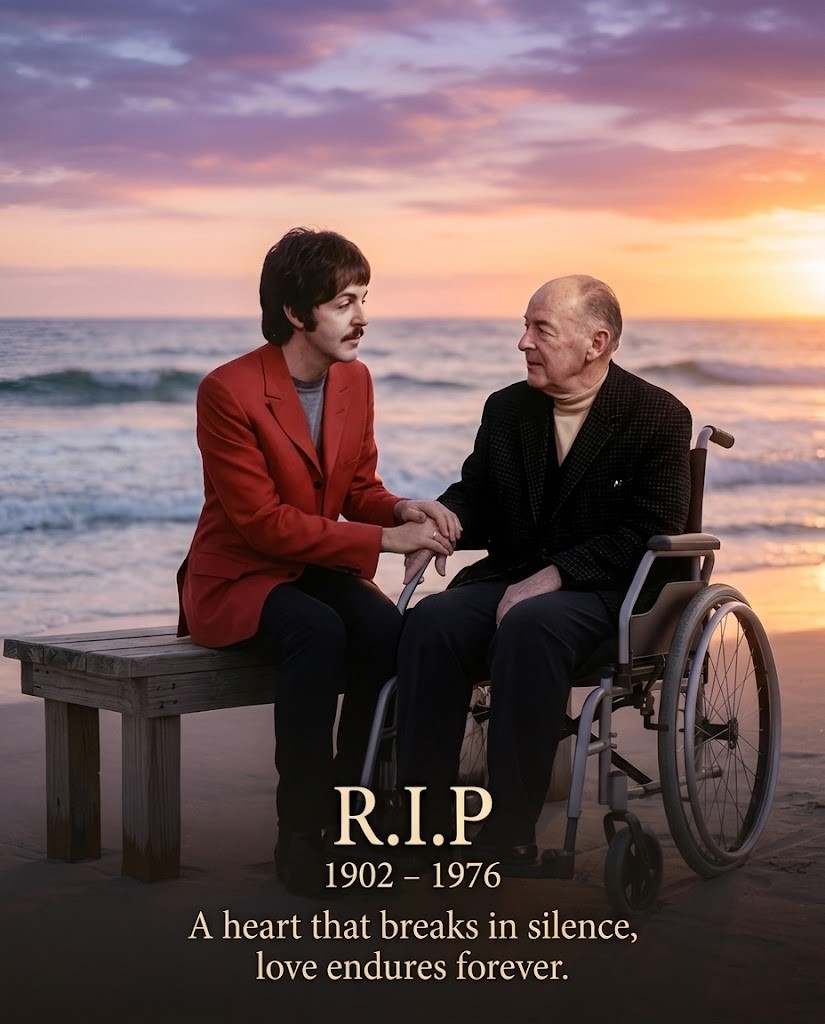
Some losses arrive in front of the world, surrounded by headlines, cameras, and public mourning. Others come quietly, in a room far from the stage, carrying with them a lifetime of memories that no audience can fully understand. For Paul McCartney, the death of his father, James “Jim” McCartney, in March 1976 was one of those private goodbyes that touched the deepest part of his life.

Fans often speak about the loss of Paul’s mother, Mary, who died when he was only fourteen, or the devastating death of John Lennon years later. Those losses became part of the public story surrounding one of the most famous musicians in history. But Jim McCartney’s passing closed another irreplaceable chapter, one tied not to Beatlemania, global fame, or music history, but to family, childhood, and the home where Paul first learned the language of melody.
Before The Beatles changed the world, before the screaming crowds and record-breaking songs, there was a modest Liverpool home where music was part of everyday life. Jim McCartney was not a global star, but he had music in him. He played piano and trumpet, had led Jim Mac’s Jazz Band in the 1920s, and encouraged his sons to grow up around song, rhythm, and harmony. Paul’s father kept an upright piano in the family home and supported his children’s interest in music long before anyone could imagine where that gift would lead.
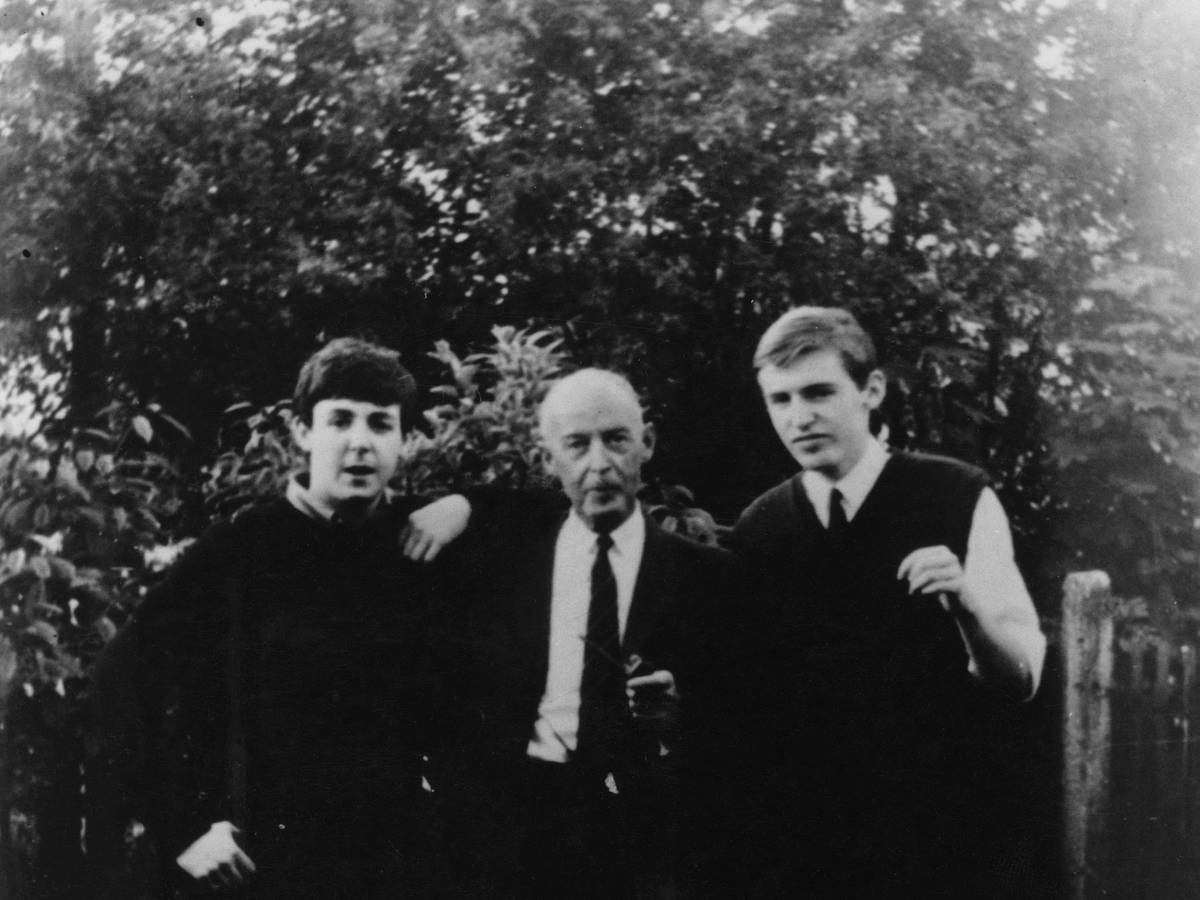
To Paul, Jim was more than the man who bought instruments or offered advice. He was a steady presence from the years before fame, a father who represented home, humor, discipline, and the ordinary world that shaped Paul’s extraordinary imagination. Jim reportedly encouraged Paul and his brother Michael to be musical, and that encouragement became part of the foundation beneath one of the greatest songwriting careers of all time.
Paul would later become known for melodies that seemed effortless, warm, and unforgettable. Yet some of that musical instinct can be traced back to the rooms of his youth, where jazz, piano, and family life created an atmosphere that allowed music to feel natural. Even one of Paul’s early compositions, “When I’m Sixty-Four,” had roots in the family piano and the old-fashioned melodic world that Jim loved.

When Jim died on March 18, 1976, Paul was no longer the young boy listening to music at home. He was a husband, a father, a former Beatle, and a world-famous artist whose name had already become part of cultural history. But losing a parent can make even the most celebrated person feel young again. Fame does not soften that particular ache. It does not prepare anyone for the silence left behind when the person who knew you before the world did is gone.
Jim’s death was not turned into a dramatic public spectacle. Paul did not need to make his grief into a performance. Like many of the most personal losses in his life, he carried it quietly. The world may have seen Paul McCartney the legend, but in that moment there was also Paul McCartney the son, mourning the man who had been there before the records, before the tours, before the world learned his name.
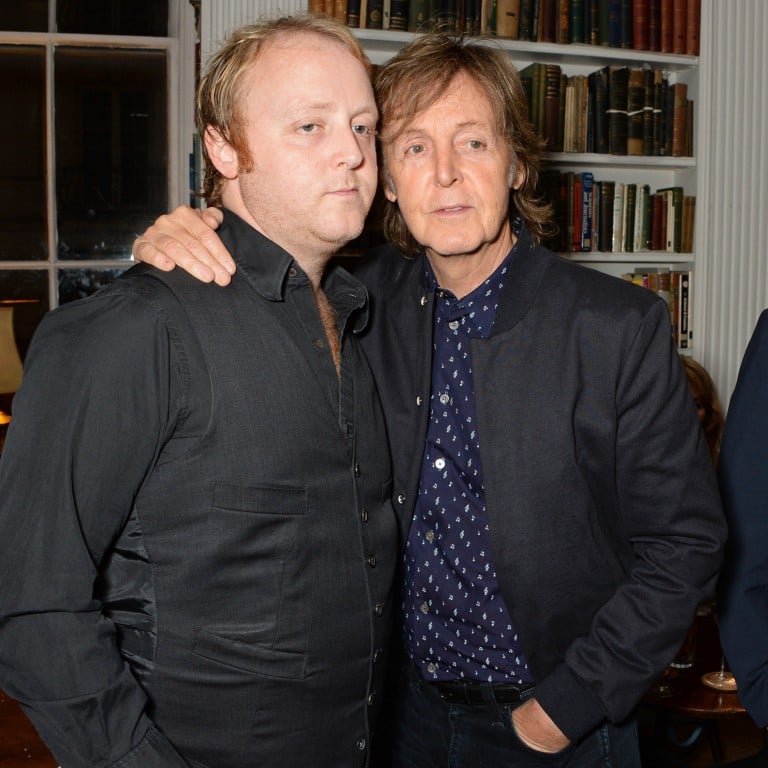
That is what makes Jim McCartney’s place in Paul’s story so meaningful. He never stood onstage with The Beatles. He was not part of the famous photographs, the interviews, or the mythology that surrounded the band. But his influence lived in quieter places: in Paul’s love of melody, in his respect for musical craft, in his humor, in his work ethic, and in the family values that remained important to him throughout his life.
Every great artist carries invisible influences. For Paul McCartney, one of those influences was his father, sitting at a piano, filling a home with music, and giving his sons permission to love sound before it became destiny. Jim did not need fame to matter. He mattered because he helped shape the person who would later give songs to the world.
When Paul lost him, he was not mourning a figure from music history. He was mourning his dad.
And perhaps that is the quiet truth fans feel today: behind every timeless song, there is often a home, a family, and someone who believed before the world ever listened.