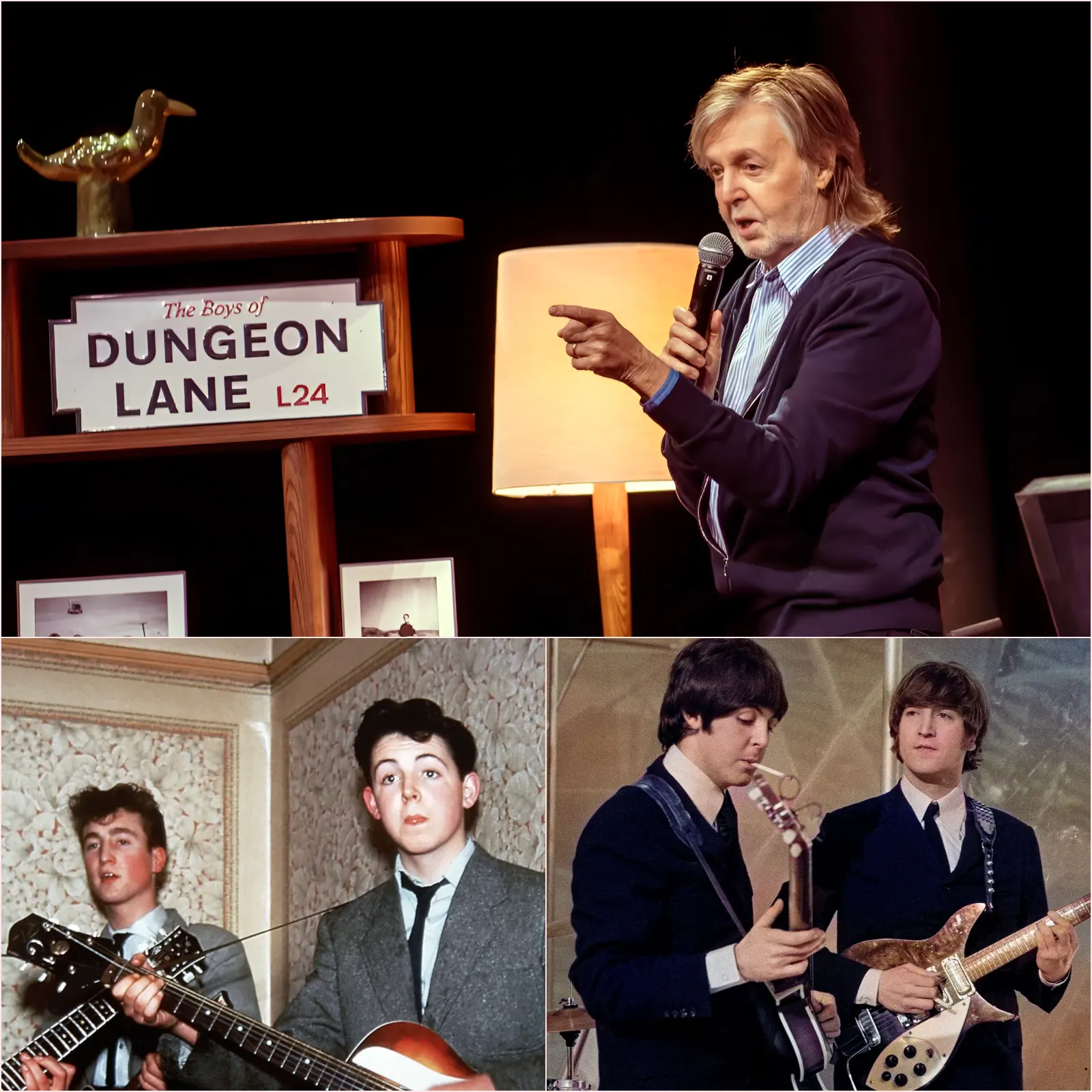
On July 6, 1957, a warm Saturday afternoon in Liverpool quietly became one of the most important days in music history. There were no television crews, record executives, screaming fans, or signs suggesting that the world was about to change. At a church fete in Woolton, 15-year-old Paul McCartney watched another Liverpool teenager named John Lennon perform with his skiffle group, the Quarrymen. What happened after that modest performance would eventually lead to the Beatles, transform popular music, and give generations a collection of songs that still feel as alive as the day they were written.

Paul had arrived through a mutual friend and watched John command the small stage with confidence and rebellious charm. Lennon was older, intense, and already beginning to understand the power of standing before an audience. Paul, however, possessed something that immediately caught John’s attention. After the performance, McCartney picked up a guitar and played Eddie Cochran’s “Twenty Flight Rock” from memory, reportedly demonstrating not only musical skill but also the ability to remember every lyric and chord.
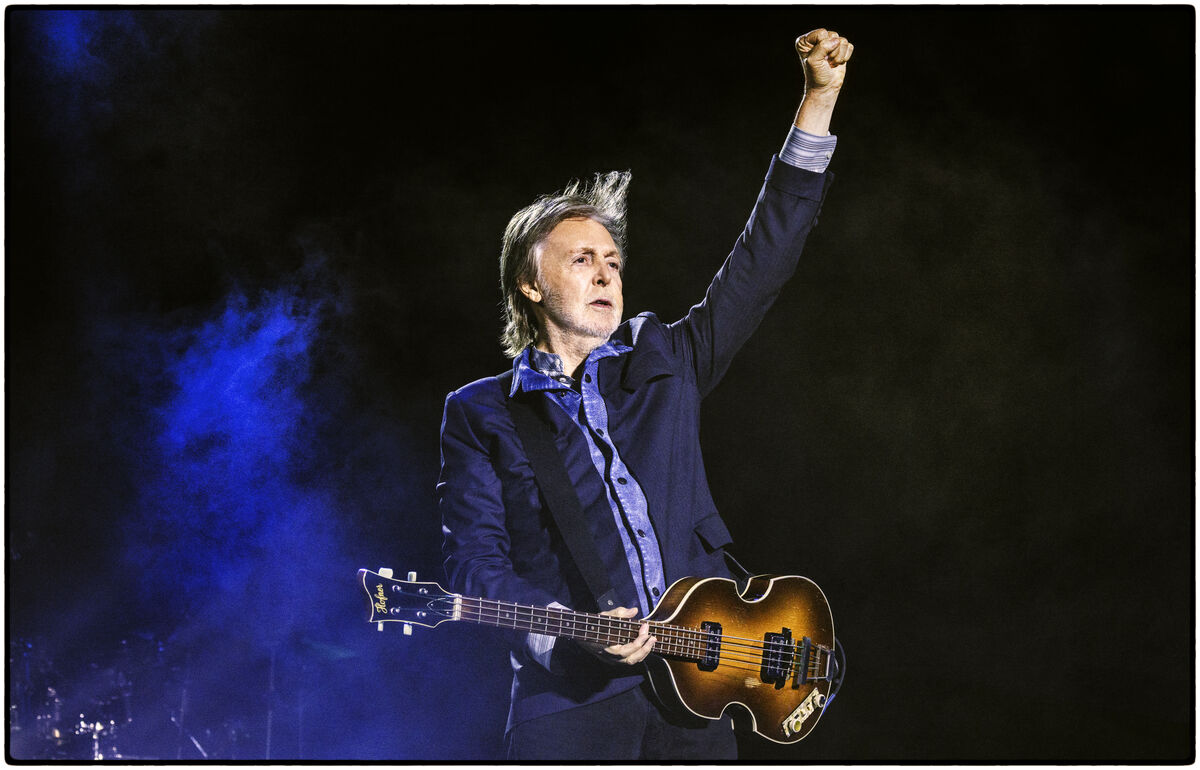
John was impressed. Paul could tune a guitar properly, knew the words to popular American rock-and-roll songs, and carried himself with a quiet confidence that contrasted with Lennon’s rougher energy. Not long afterward, Paul was invited to join the Quarrymen. It was the beginning of a creative partnership unlike anything popular music had seen before, though neither teenager could have understood how far their songs would eventually travel.
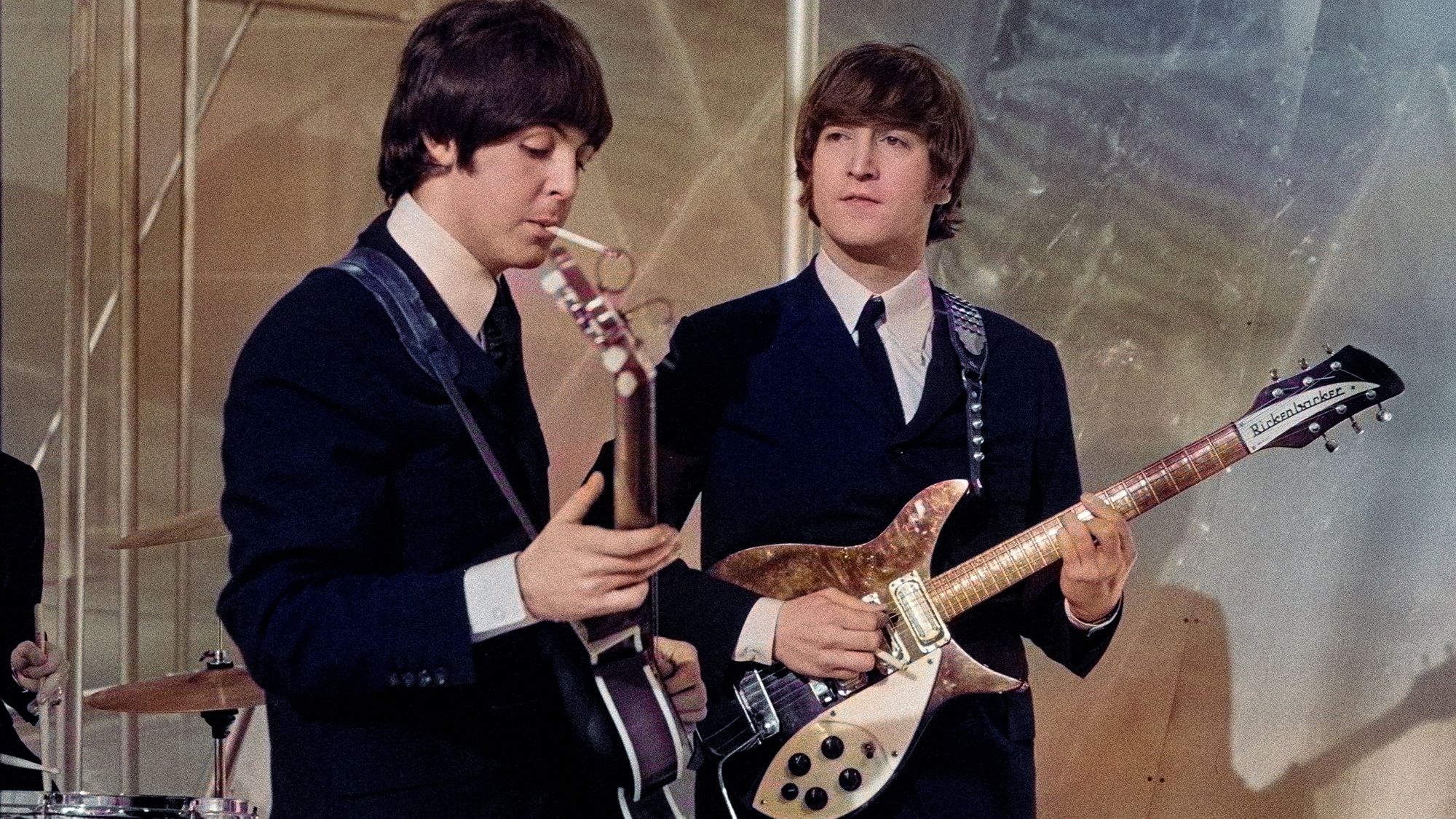
Paul later introduced George Harrison, a gifted young guitarist whose ability initially seemed far beyond his age. With George’s arrival and the group’s continued evolution, the Quarrymen slowly moved toward the identity that would become the Beatles. Liverpool clubs and exhausting performances in Hamburg sharpened their musicianship, strengthened their bond, and taught them how to hold an audience for hours. By the early 1960s, John, Paul, George, and Ringo Starr were no longer simply four young men chasing a dream. They were at the center of a cultural revolution.
Yet Paul’s path had already been shaped by profound heartbreak. When he was 14, his mother, Mary McCartney, died from complications following breast cancer surgery. Her loss left a silence inside the family and forced Paul to grow up with grief beside him. Music became more than ambition; it became a place where sorrow could be transformed into melody, memory, and hope.
Years later, during a troubled period surrounding the Beatles, Paul reportedly dreamed of his mother. In the dream, she offered him reassurance and told him to let things be. That comforting encounter inspired “Let It Be,” one of the most beloved songs of his career. What began as the memory of a grieving son became a universal message for anyone facing uncertainty, loss, or a moment when life feels beyond control.

Paul continued creating through extraordinary triumph and painful change. He wrote “Yesterday,” a melody that reportedly came to him in a dream, and helped shape countless Beatles classics before the band’s breakup. He later formed Wings with his wife, Linda, building another successful chapter while protecting the importance of family in a life constantly surrounded by fame.
The years brought knighthood, historic tours, personal loss, and stadiums filled with fans whose parents and grandparents had grown up with his music. Through every era, Paul kept returning to the same essential gifts: melody, curiosity, discipline, and a deep belief that songs could connect people who might otherwise have nothing in common.
His story is not only about success. It is about what can grow from grief, friendship, courage, and one unexpected opportunity. A 15-year-old boy walked into a church celebration carrying the memory of his mother and a love for music. He met another teenager with a band, played one song from memory, and unknowingly stepped into history.
That ordinary Liverpool afternoon did not look legendary at the time. Most life-changing moments rarely do. Yet from that meeting came the Beatles, Beatlemania, timeless songs, and a musical legacy that continues to cross borders and generations. A grieving boy found a partner, discovered his voice, and became one of the greatest songwriters the world has ever known.