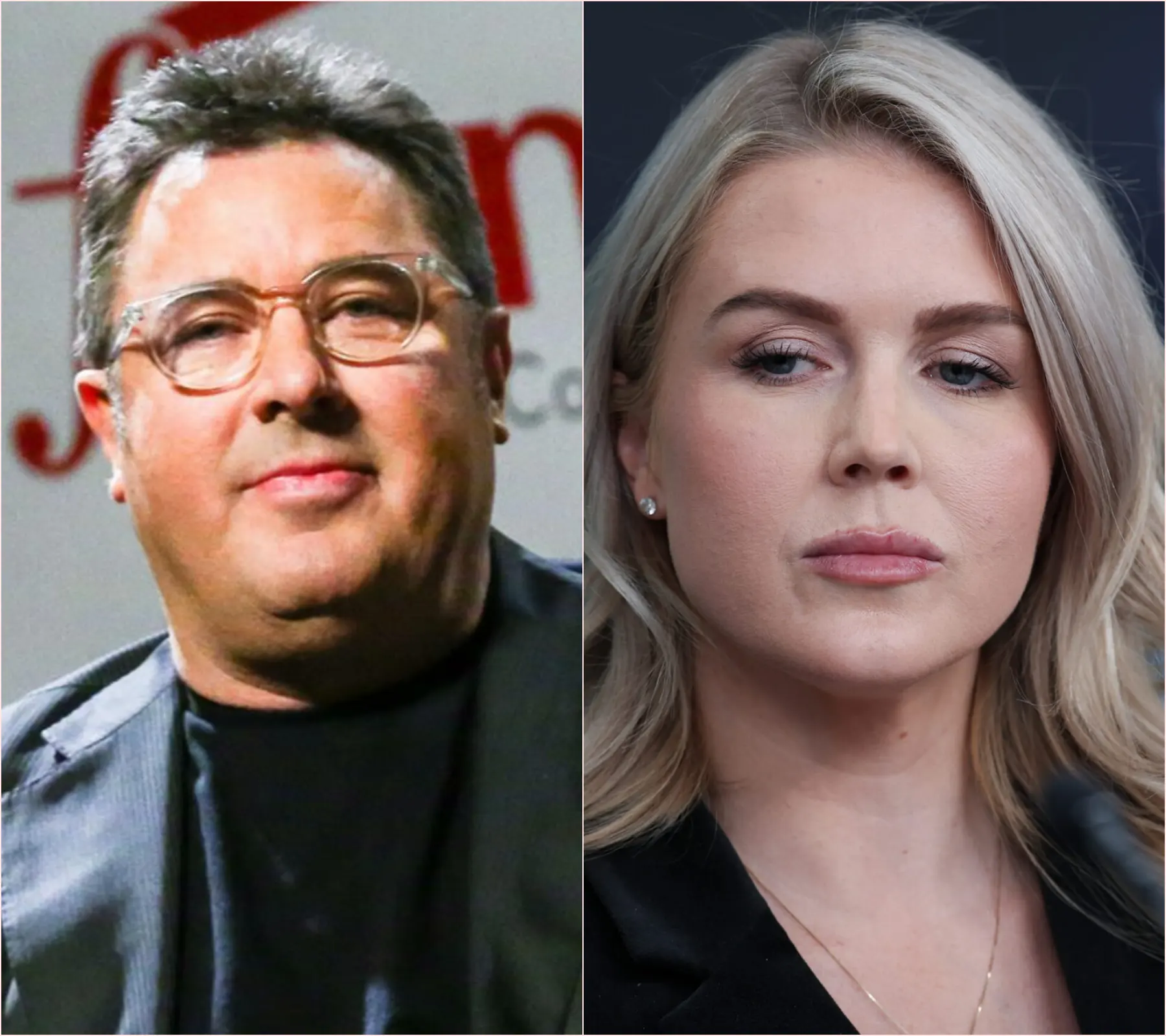
A few sharp words attributed to Vince Gill have ignited a fierce political debate across social media, with viral posts claiming that the country music legend confronted White House Press Secretary Karoline Leavitt during a heated live interview. According to the circulating version, what began as an ordinary discussion suddenly became tense when Leavitt challenged Gill over politics, celebrity influence, and alleged hypocrisy.
“Sit down, Barbie.”

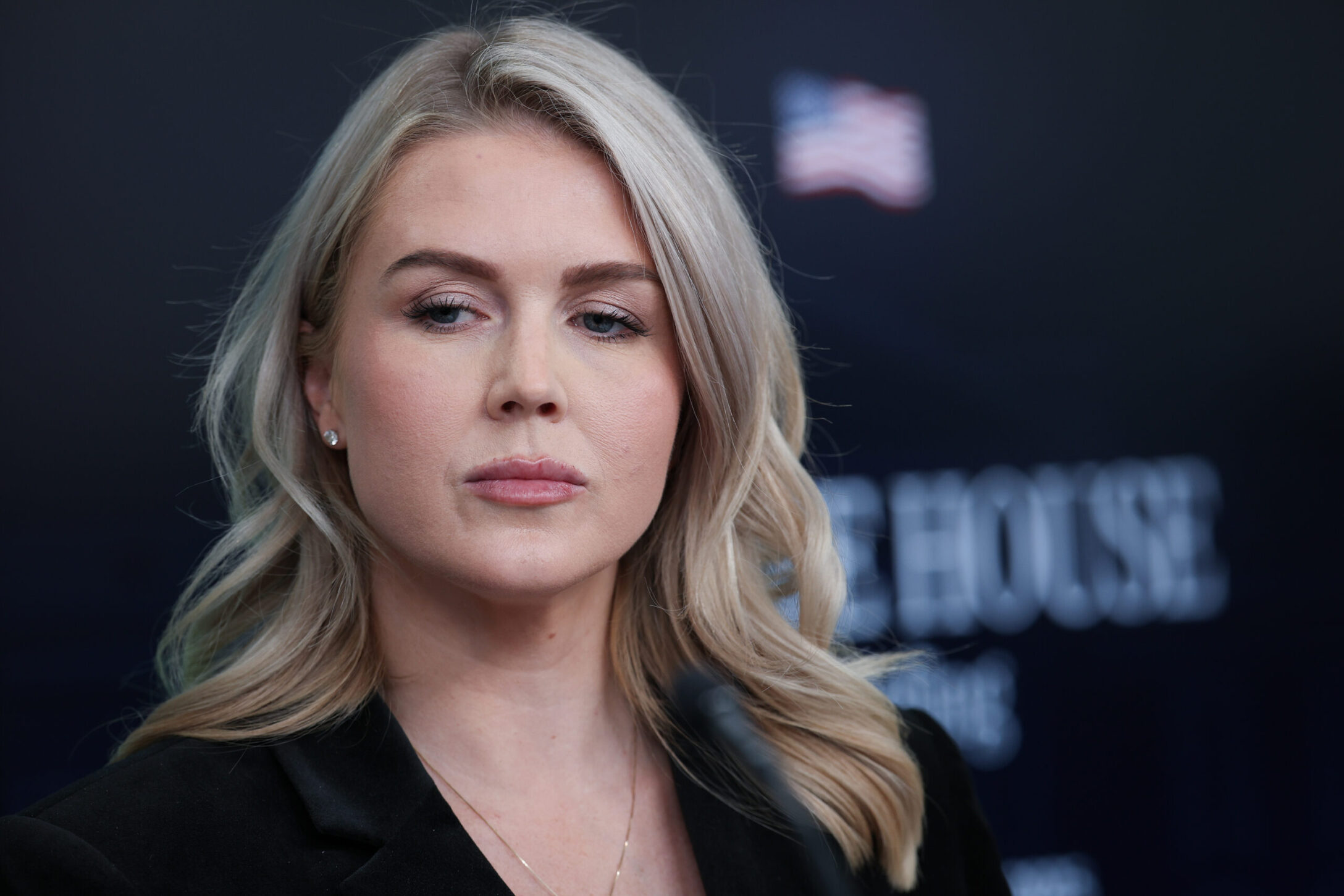
The story claims Gill then called Leavitt a “Trump puppet,” delivering the accusation with such calm confidence that she was reportedly left speechless. Viewers were said to have watched in stunned silence before the studio erupted in applause, while fans praised the singer for refusing to be intimidated by a younger and famously combative political voice.
There is, however, a serious problem with the dramatic account: no reliable recording, complete interview, broadcast transcript, network identification, or credible news report has surfaced to prove that the confrontation happened. Searches for the alleged exchange lead mainly to Facebook posts repeating nearly identical language, sometimes attaching the same “Sit down, Barbie” line to entirely different celebrities. That pattern strongly suggests the story may be fabricated or recycled rather than based on an authentic televised event.
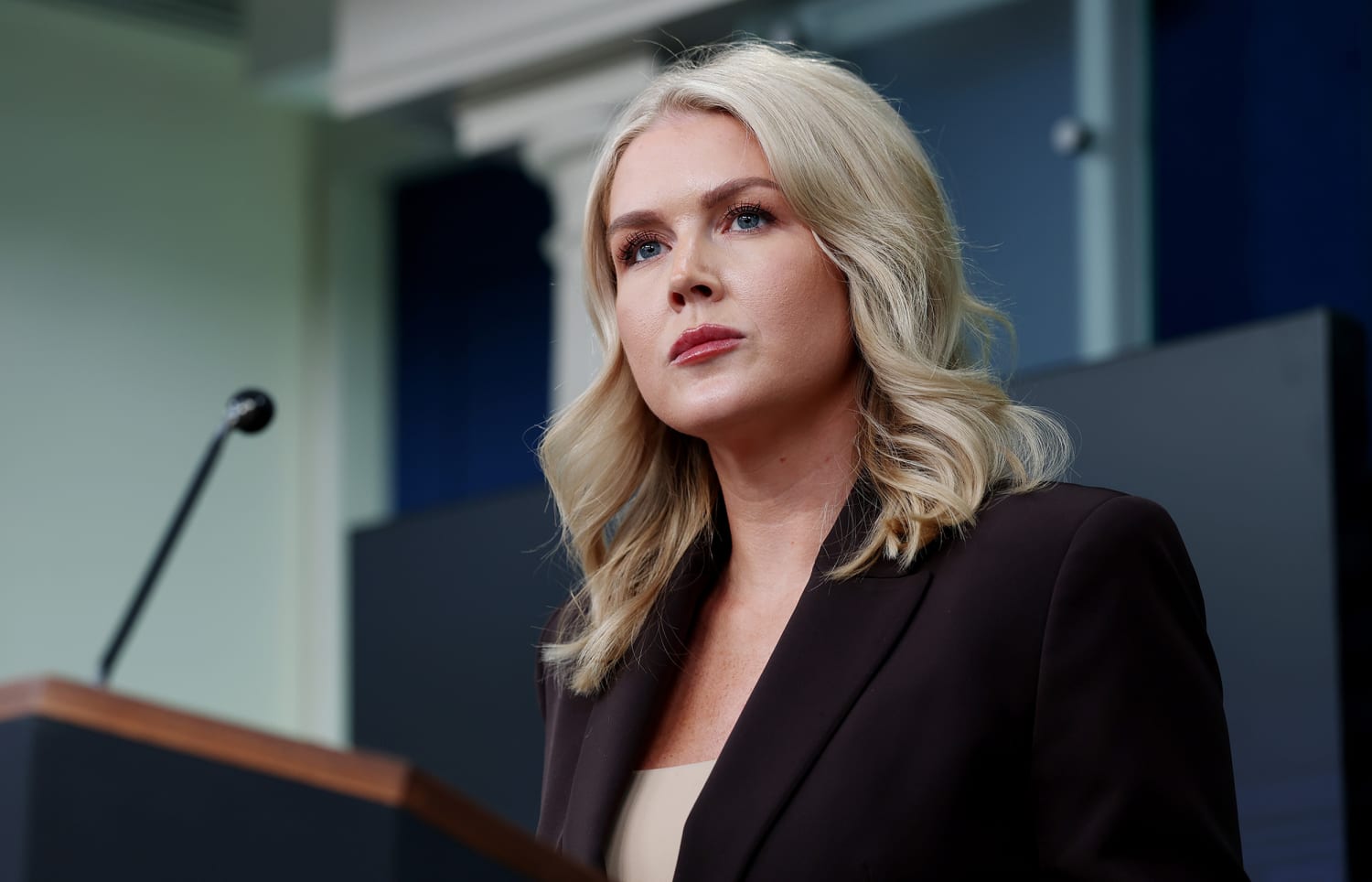
Leavitt remains a highly visible political figure and was identified by the White House as press secretary during an official media briefing on July 23, 2026. A real confrontation involving her and one of country music’s most respected performers would almost certainly generate video clips, network reporting, political responses, and coverage extending far beyond anonymous social-media pages. None of that supporting evidence currently appears to exist.
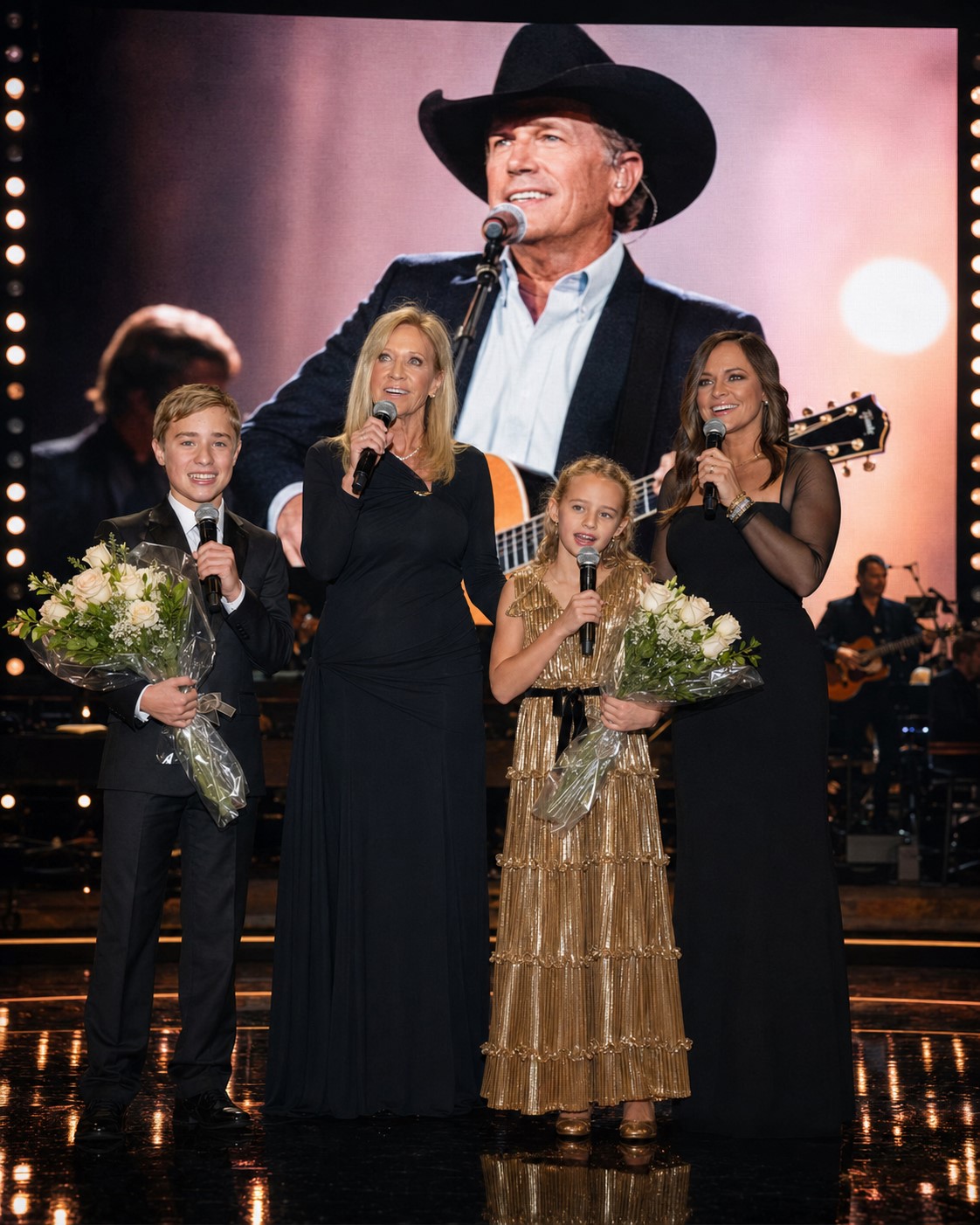
The claim may feel believable to some readers because Gill has recently expressed genuine criticism of Donald Trump. In a March 2026 podcast discussion reported by People, Gill explained that he performed at the Kennedy Center Honors to celebrate his longtime friend George Strait despite having little personal respect for Trump. He also described himself as someone whose beliefs contain both conservative and liberal elements, emphasizing kindness rather than rigid political allegiance.
Those verified remarks reveal independence, but they do not confirm that Gill insulted Leavitt, appeared opposite her in a live interview, or used the inflammatory language now spreading online. Disagreeing with a president is not evidence that someone participated in every dramatic confrontation later attributed to them.
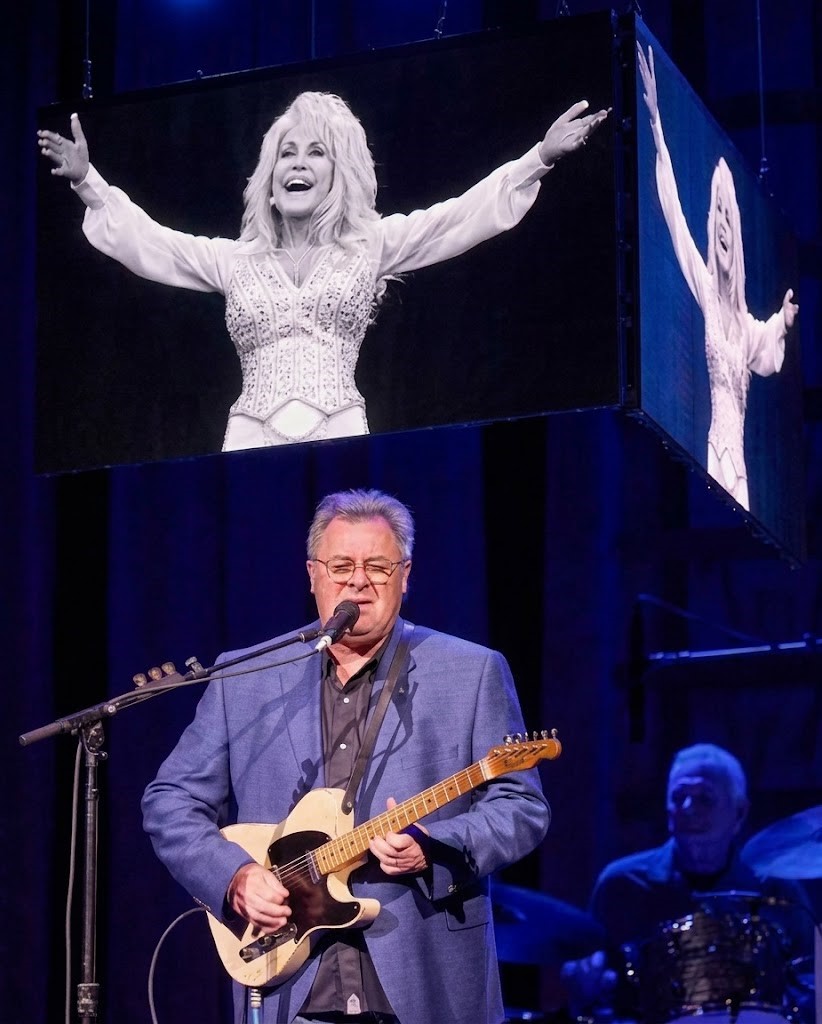
Still, the fictionalized moment has resonated because it reflects the public image fans associate with Vince Gill. Throughout his career, he has generally projected quiet dignity rather than aggression. His gentle voice, emotional songwriting, and reputation for humility make the idea of a calm but devastating response especially compelling. The story invites readers to imagine a respected elder statesman of country music silencing a political operative without shouting or losing control.
![The Classy Vince Gill and His Beautiful Voice Turn 59 Today [VIDEO]](https://townsquare.media/site/204/files/2013/05/Vince-Gill.jpg?w=780&q=75)
Supporters have called the alleged exchange a “masterclass in calm confidence,” while critics have condemned the gendered insult and argued that disagreement never justifies belittling someone’s appearance. Both reactions are responding to a moment that, based on the available evidence, may never have occurred.
That distinction matters. Political misinformation does not always arrive disguised as official policy or fabricated statistics. Sometimes it appears as an emotionally satisfying celebrity confrontation crafted to confirm what an audience already believes. Once thousands of people react, share, and argue, the popularity of the story can create the illusion that it has been verified.
Vince Gill has made real comments about politics, character, and respect that can be examined fairly. Karoline Leavitt’s public statements can also be challenged without inventing an applause-filled television showdown.
Until original footage or credible reporting emerges, the alleged “Sit down, Barbie” exchange should be treated as an unverified viral claim. The applause may exist only inside the story, but the lesson is real: in a deeply divided America, truth should never become less important simply because a dramatic confrontation feels satisfying.