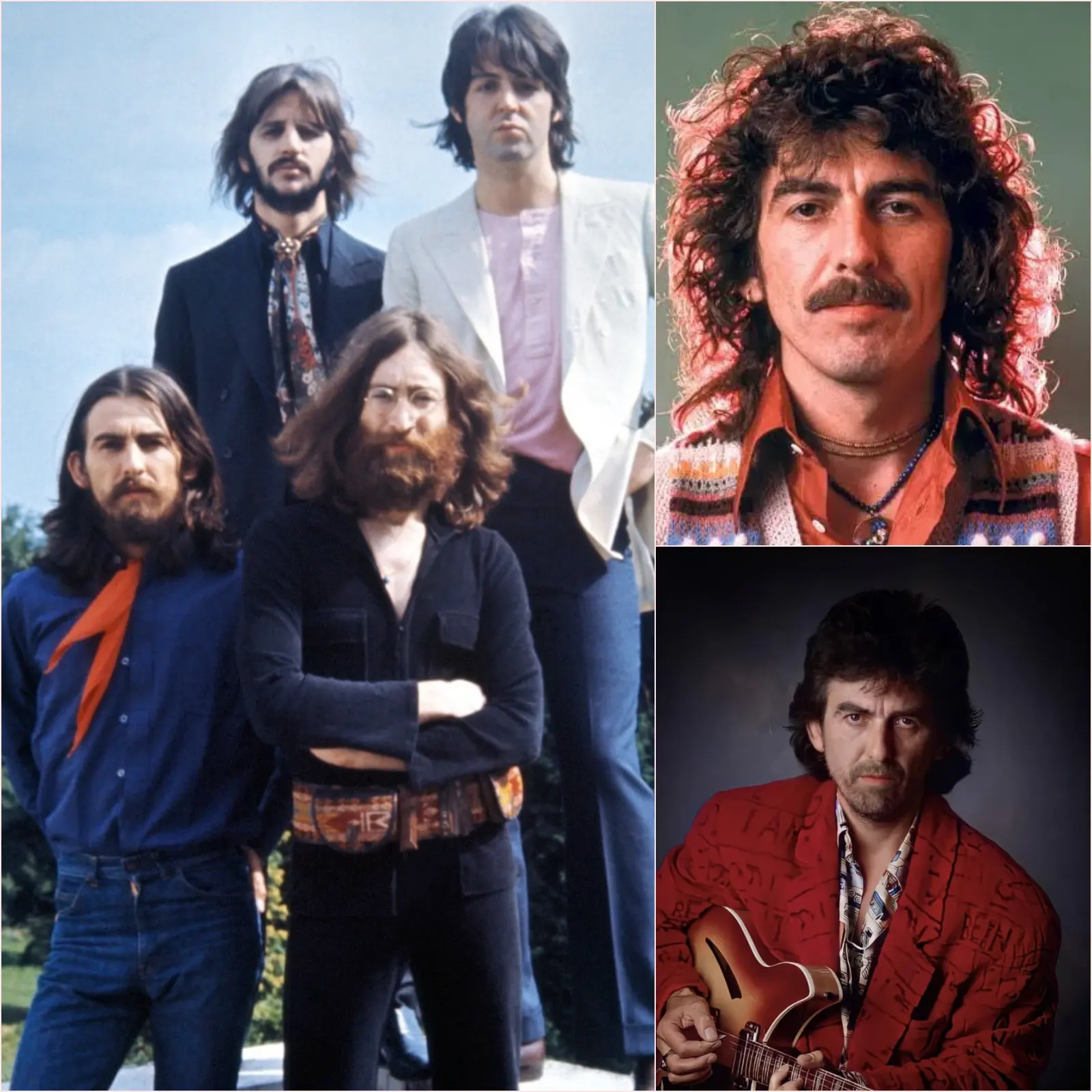
George Harrison did not merely reject the idea of a Beatles reunion when reporters pressed him about it in 1974. The “Quiet Beatle” went further, speaking honestly about which former bandmate he could imagine working beside again—and which one he could not. His answer exposed the affection, rivalry, frustration, and unfinished wounds hidden beneath the polished mythology of the world’s most famous band.
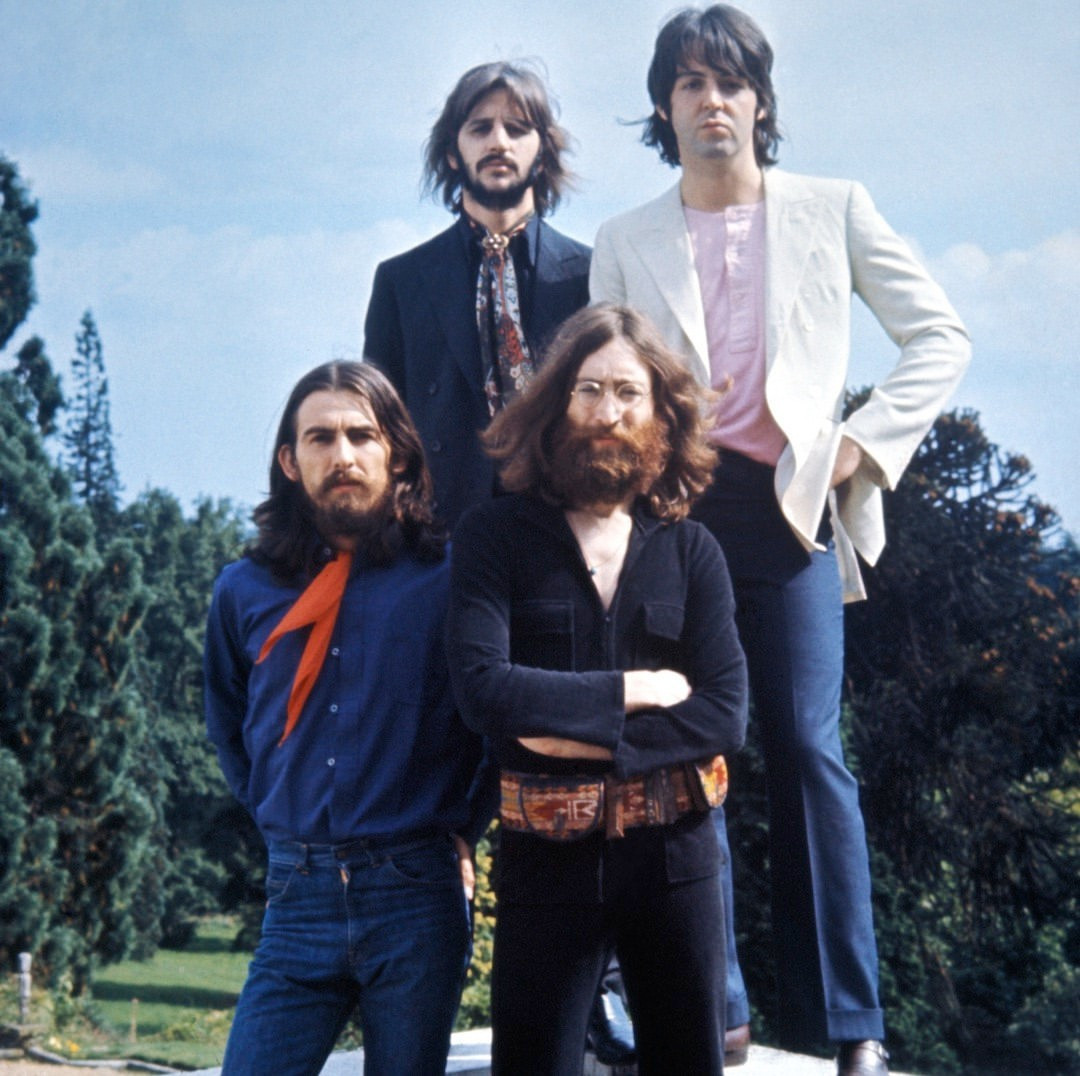

The moment came during an October 23, 1974 press conference in Los Angeles, shortly before Harrison began his North American tour with Ravi Shankar. When questions inevitably turned toward a Beatles reunion, George dismissed the fantasy with characteristic bluntness.
“If we ever do that, it’s because everybody is broke.”
Harrison had little interest in rebuilding the past simply because audiences missed it. After playing with musicians outside the Beatles, he argued that the old group had been romanticized beyond reality. He praised Ringo Starr’s instinctive backbeat and described Paul McCartney as a gifted bassist, but also suggested Paul could be musically overpowering. Then came the admission that stunned reporters: he could imagine joining a band with John Lennon, while saying he could not see himself doing the same with McCartney. Harrison stressed that the distinction was musical rather than personal.

The remark reflected years in which George had struggled to make room for his compositions beside the dominant Lennon–McCartney partnership. While John and Paul were the band’s principal writers, Harrison was often limited to one or two songs on an album. By the end of the 1960s, however, he had created “While My Guitar Gently Weeps,” “Something,” and “Here Comes the Sun,” proving his writing could stand beside anything produced by his bandmates.
The tension was visible during the 1969 sessions later documented in Get Back, when Harrison temporarily walked away after feeling ignored and creatively restricted. The Beatles persuaded him to return, but the deeper problem remained: George no longer wanted to fight for permission to be treated as an equal artist.
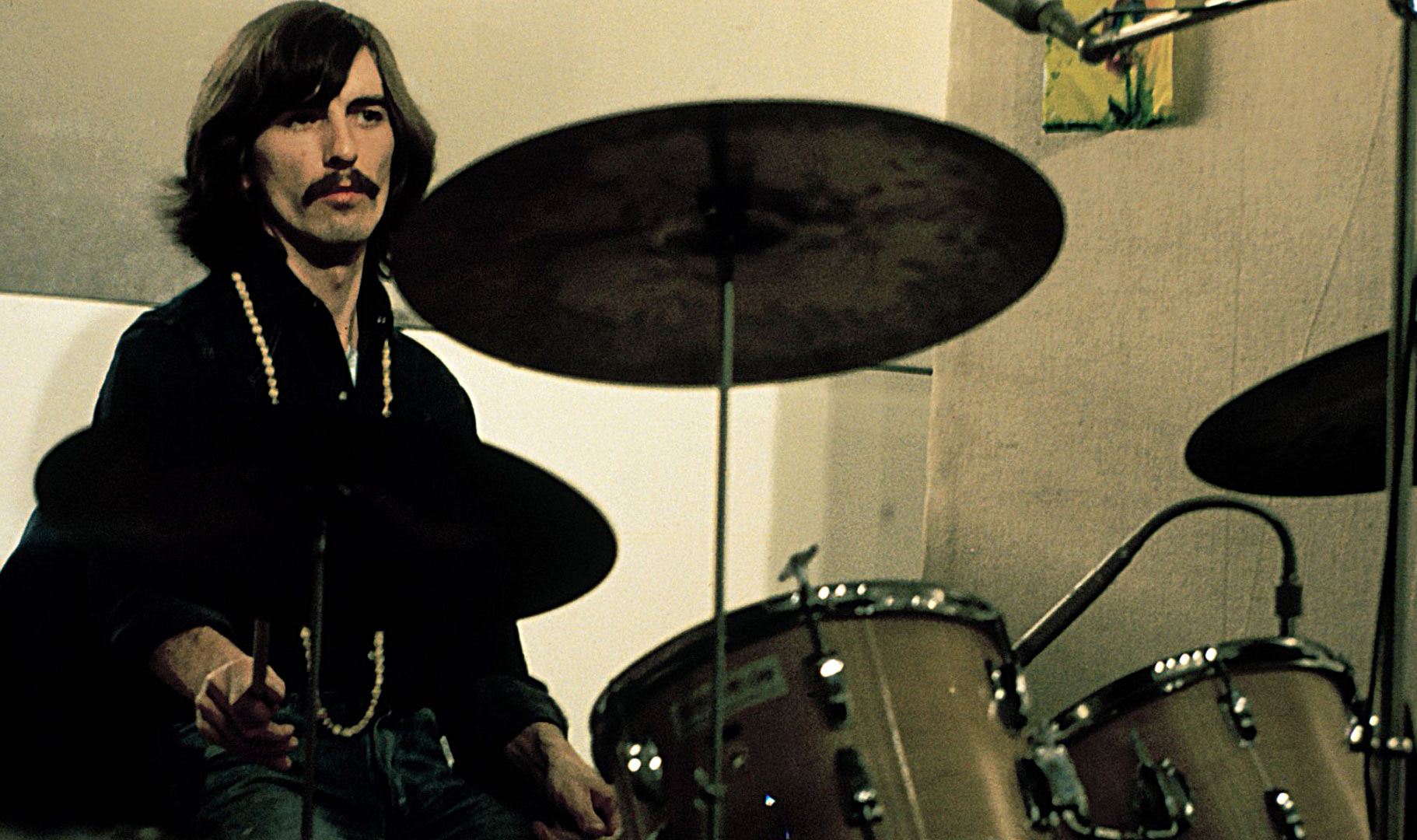
His post-Beatles freedom confirmed what had been waiting beneath the surface. The 1970 release of All Things Must Pass revealed an extraordinary collection of songs that had accumulated while Harrison’s contributions competed for limited space. The album established him as a major solo performer and changed the way many listeners understood his role in the Beatles.
Yet George’s 1974 comments also showed that his feelings toward Lennon were complicated. John could be dismissive and unpredictable, but Harrison remembered moments when Lennon recognized the unfair balance within the band. During a recorded September 1969 meeting, Lennon proposed that a future Beatles album include four songs each from himself, Paul, and George, with two for Ringo if he wanted them. Lennon also acknowledged that George had rarely been offered valuable B-sides, which could have brought greater recognition and songwriting income.
The proposal suggested that Lennon understood George’s frustration and was willing, at least briefly, to imagine a more democratic Beatles. But only days later, John privately announced that he wanted to leave the group, ending the possibility before it could become reality.
That history makes Harrison’s willingness to work with Lennon again even more fascinating. It did not mean their friendship had escaped damage. It showed that complicated relationships can contain resentment and loyalty at the same time. George may have felt musically crowded by Paul, yet he later reconciled with him and collaborated with McCartney and Starr during the Beatles’ Anthology project.
A Harrison–Lennon band might have combined John’s raw directness with George’s spiritual searching, sharp guitar, and growing confidence as a songwriter. It could have become brilliant, unstable, or both.
The band never existed, but George’s words ensured listeners would forever imagine its sound. Beneath the Beatles’ harmonies were four individuals carrying love, competition, gratitude, and scars—and sometimes the most revealing music history is found in the songs they never had the chance to make.