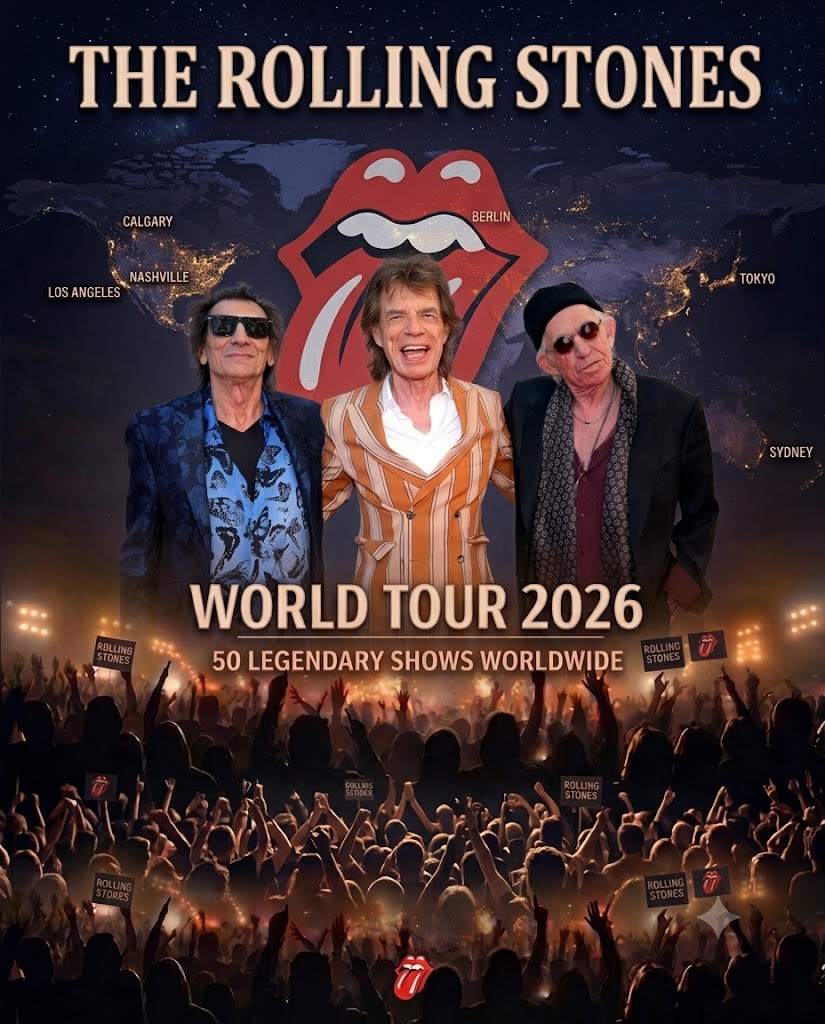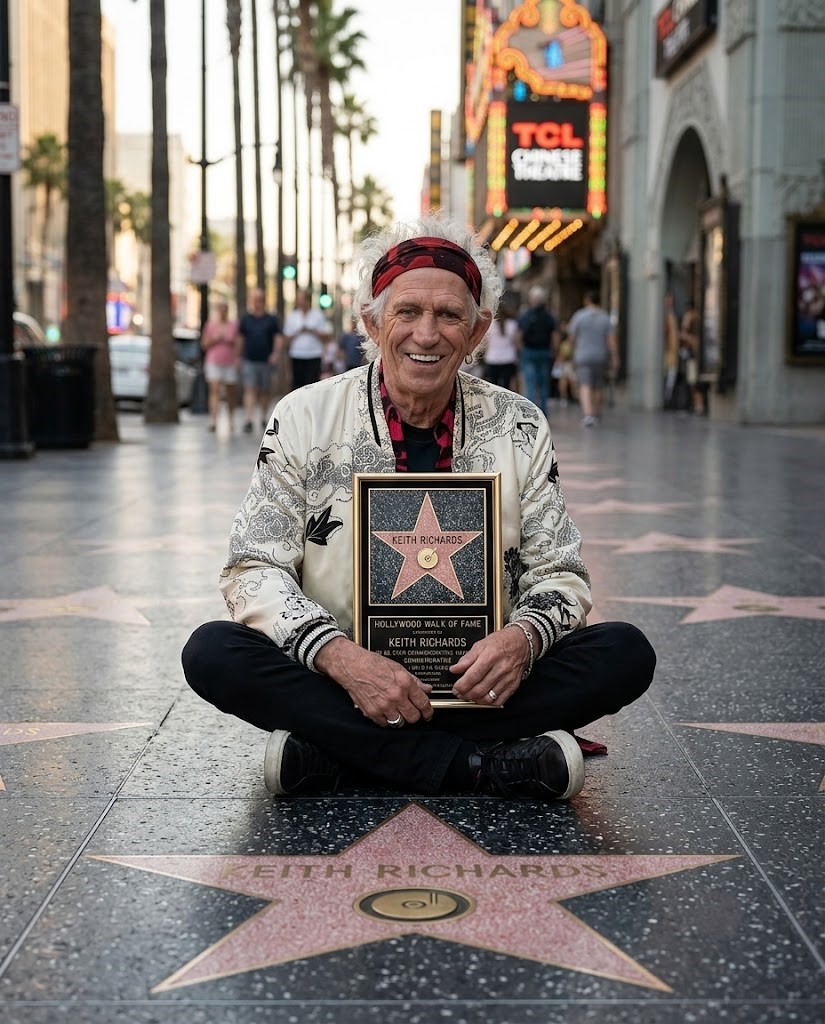
After more than six decades of defining rock ’n’ roll through raw guitar riffs, rebellious confidence, and an unmistakable sense of rhythm, Keith Richards may seem like one of the most obvious candidates for a star on the Hollywood Walk of Fame. That is why fans reacted with excitement when posts began claiming that the Rolling Stones legend had been selected in the Recording category as part of the Class of 2027.
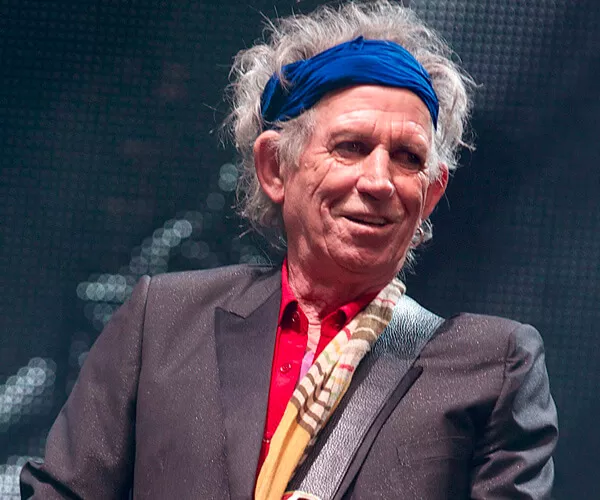
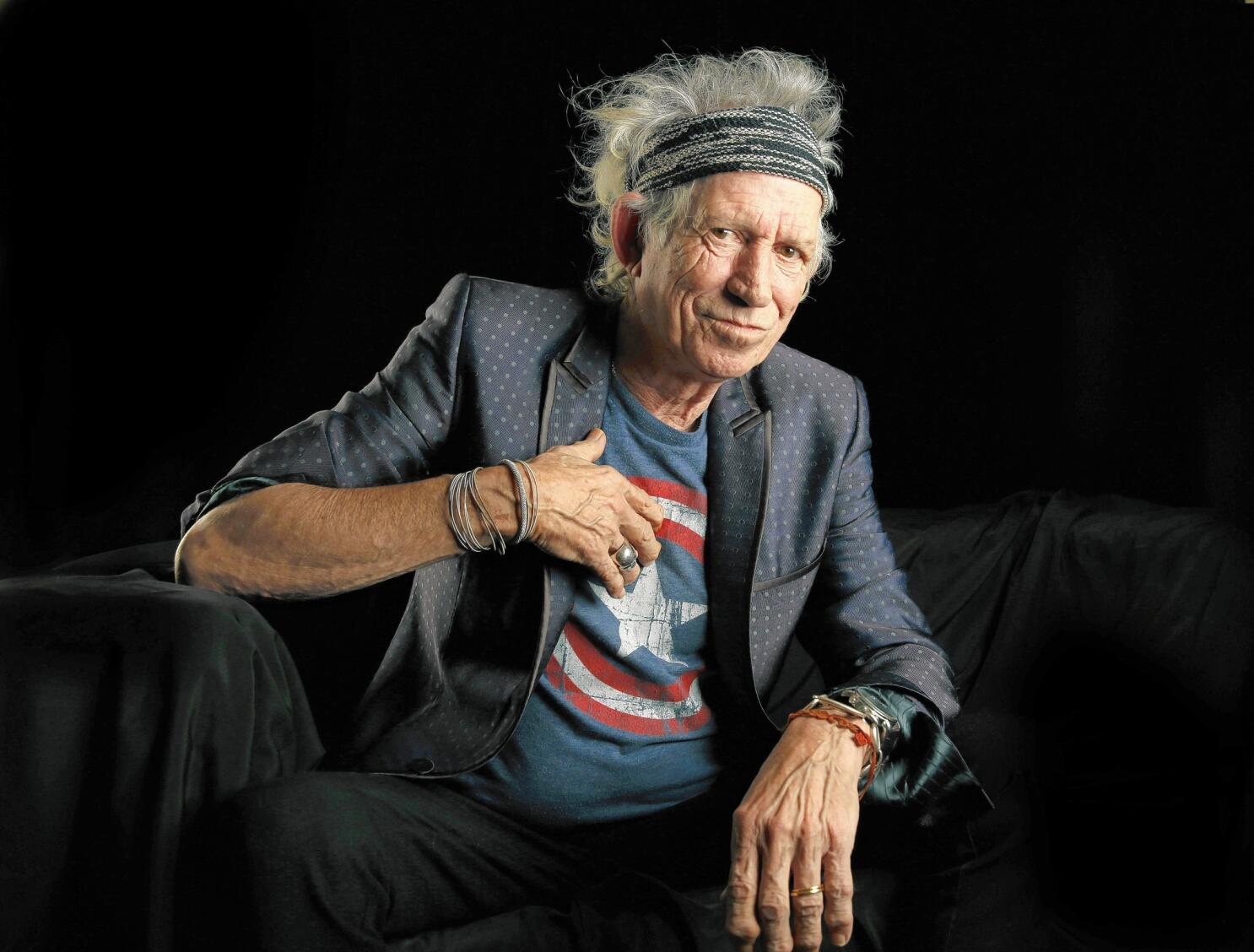
Unfortunately, the official announcement tells a different story.
The Hollywood Chamber of Commerce unveiled the Class of 2027 on July 23, 2026, naming 32 honorees across film, television, recording, radio, live performance, and sports entertainment. Keith Richards was not included on that list. The Recording category instead recognized Karol G, David Guetta, Waylon Jennings, the Ramones, Grandmaster Flash, Marc Shaiman, Sia, the Smashing Pumpkins, Linkin Park, and Lil Wayne.
There is therefore no official unveiling date for a Keith Richards star because no such selection has currently been announced. The Chamber also confirmed that dates have not yet been scheduled for the actual Class of 2027 ceremonies. Selected recipients have two years to arrange their appearances, with individual dedications generally announced shortly before they happen.
The correction may disappoint fans, but it also raises a larger question: how has one of the most influential guitarists in modern music apparently remained without an individual star for so long?
Keith never needed technical perfection or elaborate solos to command attention. His genius has always lived in rhythm, space, instinct, and the ability to create a riff that feels as though it has existed forever. The opening moments of “Satisfaction,” “Jumpin’ Jack Flash,” “Start Me Up,” “Brown Sugar,” and “Honky Tonk Women” do more than introduce songs. They immediately create entire worlds filled with danger, swagger, movement, and freedom.

Alongside Mick Jagger, Keith became one half of the songwriting partnership known as the Glimmer Twins, helping turn the Rolling Stones from young British blues devotees into one of history’s most enduring rock bands. The Rock & Roll Hall of Fame, which inducted the Stones in 1989, describes their career as spanning more than 60 years and blending blues and American R&B with country, psychedelic rock, garage, punk, and disco. It identifies the swagger created by Jagger and Richards as a constant thread running through that extraordinary journey.
Yet Keith’s influence cannot be measured only through famous records. Generations of guitarists learned from the looseness of his playing, his open tunings, and his belief that silence between notes could be as powerful as the notes themselves. He made the guitar sound conversational rather than mechanical, allowing every chord to breathe, stumble, recover, and move forward like a living thing.

His public image became equally unforgettable. The scarves, silver jewelry, weathered smile, and seemingly indestructible spirit turned him into the embodiment of rock ’n’ roll survival. Beneath that mythology, however, remained a musician deeply committed to blues history, songwriting, friendship, and the mysterious chemistry that happens when a band locks into the same rhythm.
That lifetime of influence explains why the false announcement felt believable. Keith Richards belongs so naturally among the great names honored on Hollywood Boulevard that many fans accepted the story without hesitation. It sounded less like surprising news than the correction of an oversight that had lasted far too long.
For now, congratulations will have to wait. Keith Richards has not officially been named to the Hollywood Walk of Fame Class of 2027, and reports claiming otherwise are inaccurate.
Still, the larger sentiment remains difficult to dispute. A star in the pavement could never create Keith’s legacy; six decades of immortal riffs already did that. Such an honor would simply place his name beneath Hollywood’s lights after rock fans had written it permanently into music history long ago.