For more than six decades, The Rolling Stones have lived in a place most bands never reach: somewhere between rock ’n’ roll history and living myth. That is why a circulating claim that Mick Jagger, Keith Richards, and Ronnie Wood have announced a 2026 farewell tour called “One Last Ride” has hit fans with such emotional force. The idea of one final roar, one final bow, and one last night beneath the lights feels powerful enough to stop generations of listeners in their tracks.

But there is an important distinction between the emotion of the story and what has actually been confirmed. As of August 9, 2026, The Rolling Stones’ official tour page does not list a “One Last Ride” farewell schedule, and the band has not publicly announced a 2026 farewell tour under that name. In fact, recent reporting has pointed in a different direction: Mick Jagger has spoken about wanting to tour again, while no 2026 dates have yet been formally scheduled.

That does not make the reaction from fans any less understandable. The Stones formed in 1962, and their music has outlived fashions, rivalries, scandals, changing generations, and even the loss of drummer Charlie Watts in 2021. For millions of people, this band is not simply a collection of songs. “Satisfaction,” “Gimme Shelter,” “Paint It Black,” “Start Me Up,” and countless others have become markers of youth, love, rebellion, road trips, friendships, and people who are no longer here to hear them.
The possibility of a final tour therefore carries unusual emotional weight. Every Stones concert already feels like a celebration of survival. Jagger still commands a stage with remarkable energy, Richards remains the weathered heartbeat of the guitar sound, and Wood continues to add the loose, joyful chemistry that has kept the band alive through its later chapters. A farewell announcement, whenever it eventually comes, would not simply close a touring cycle. It would end one of the longest continuous stories in popular music.
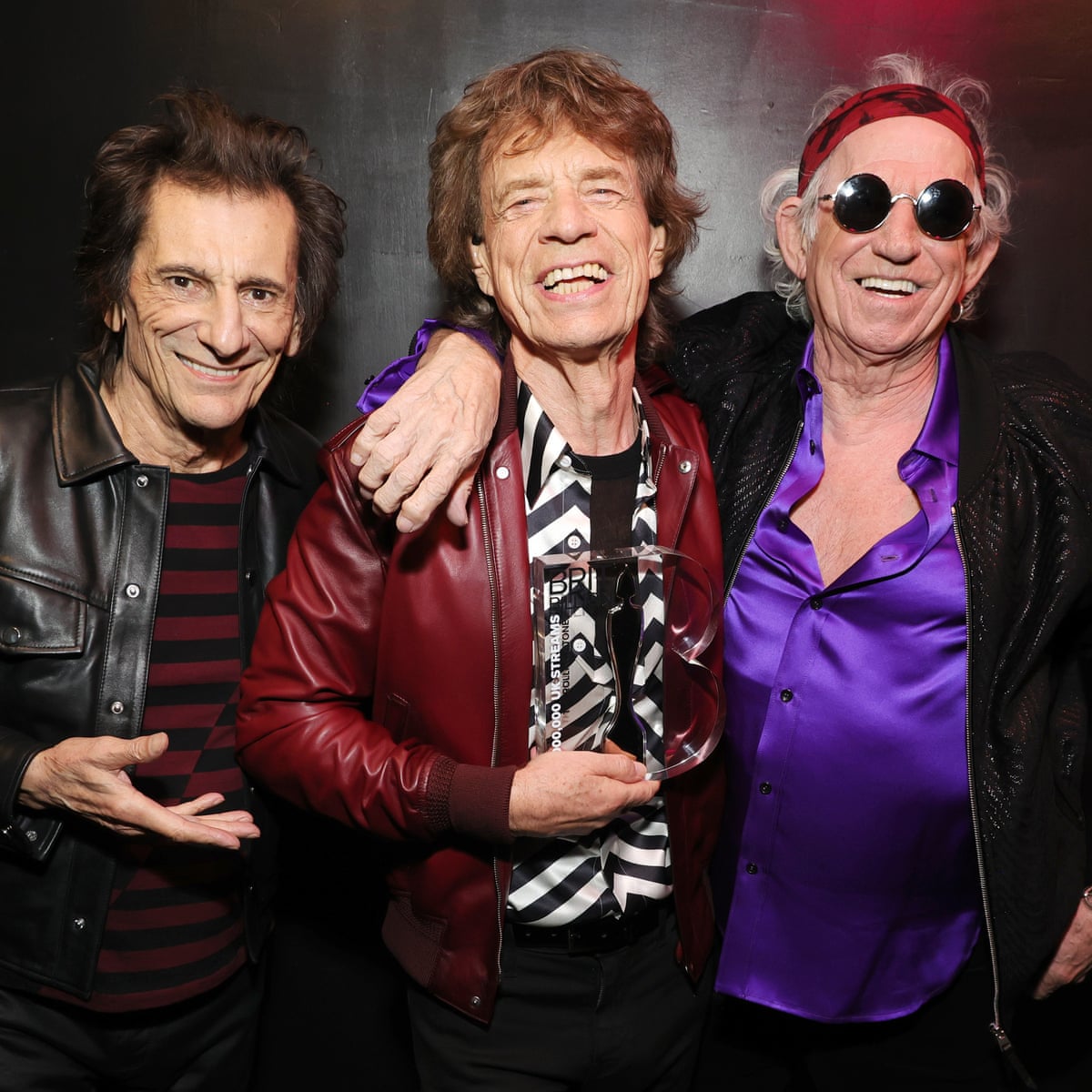
Recent history has also made fans especially sensitive to rumors about the road. Plans for a 2026 European and U.K. stadium run were reported as having been abandoned in late 2025, while the band later returned with new music in 2026. Their album “Foreign Tongues” was officially announced in May, and Jagger subsequently said he hoped the group could tour behind it.
That contrast explains why the phrase “farewell tour” has spread so quickly. The Rolling Stones are now at an age when every major announcement naturally raises questions about how much longer they will continue. Yet the band has repeatedly resisted neat endings. They have survived moments that seemed like conclusions before, only to return with another record, another stage, another riff, and another reminder that rock ’n’ roll rarely follows a retirement plan.
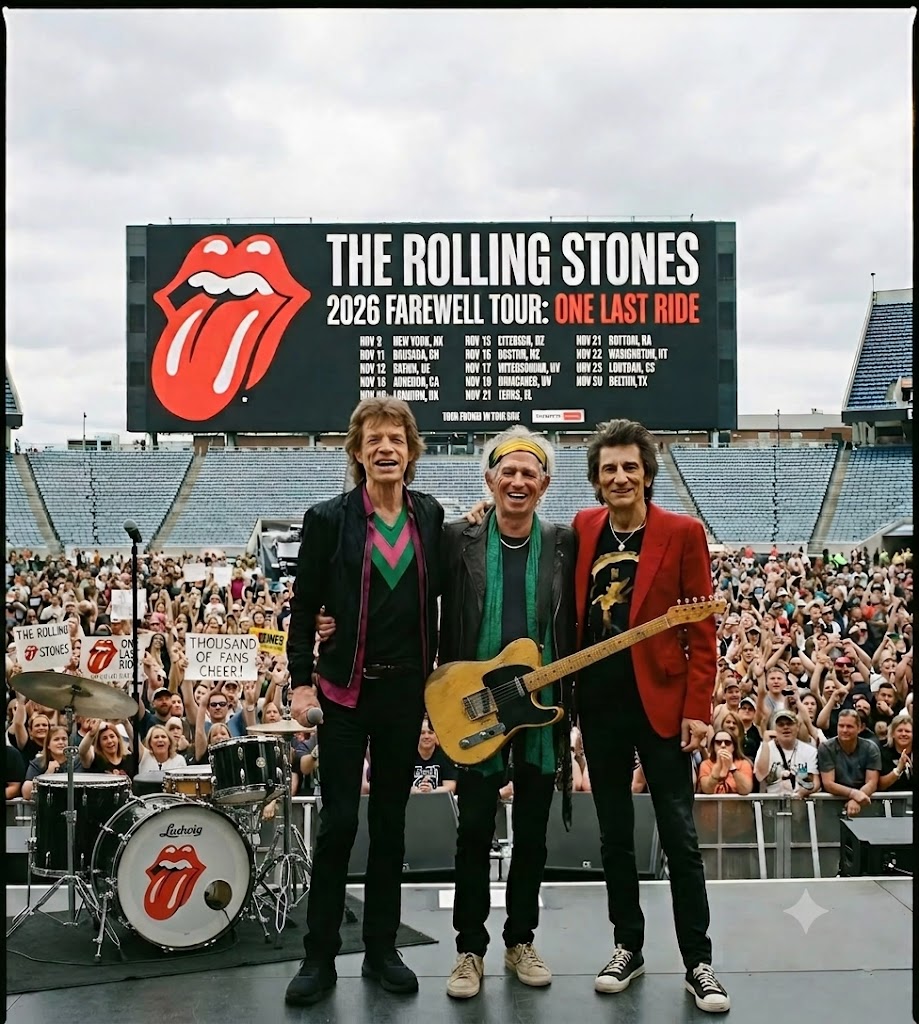
For longtime fans, perhaps the most powerful truth is that no official farewell is needed to make each future performance precious. Charlie’s absence already changed the emotional landscape of the band. Every time Mick, Keith, and Ronnie stand together now, they carry not only their own history but the memory of the drummer who kept time behind them for nearly sixty years. Each familiar riff now feels connected to decades of friendship, loss, endurance, and memories shared with millions of people around the world.
So while the “One Last Ride” story may sound like the announcement fans always feared, it remains unconfirmed. The official tour page currently shows no farewell dates, and recent comments from Jagger suggest that the desire to perform is still alive.
One day, The Rolling Stones will play their final concert. No band escapes time forever. But until the Stones themselves say the word “farewell,” the safest conclusion may also be the most hopeful one: the last ride has not officially begun yet.