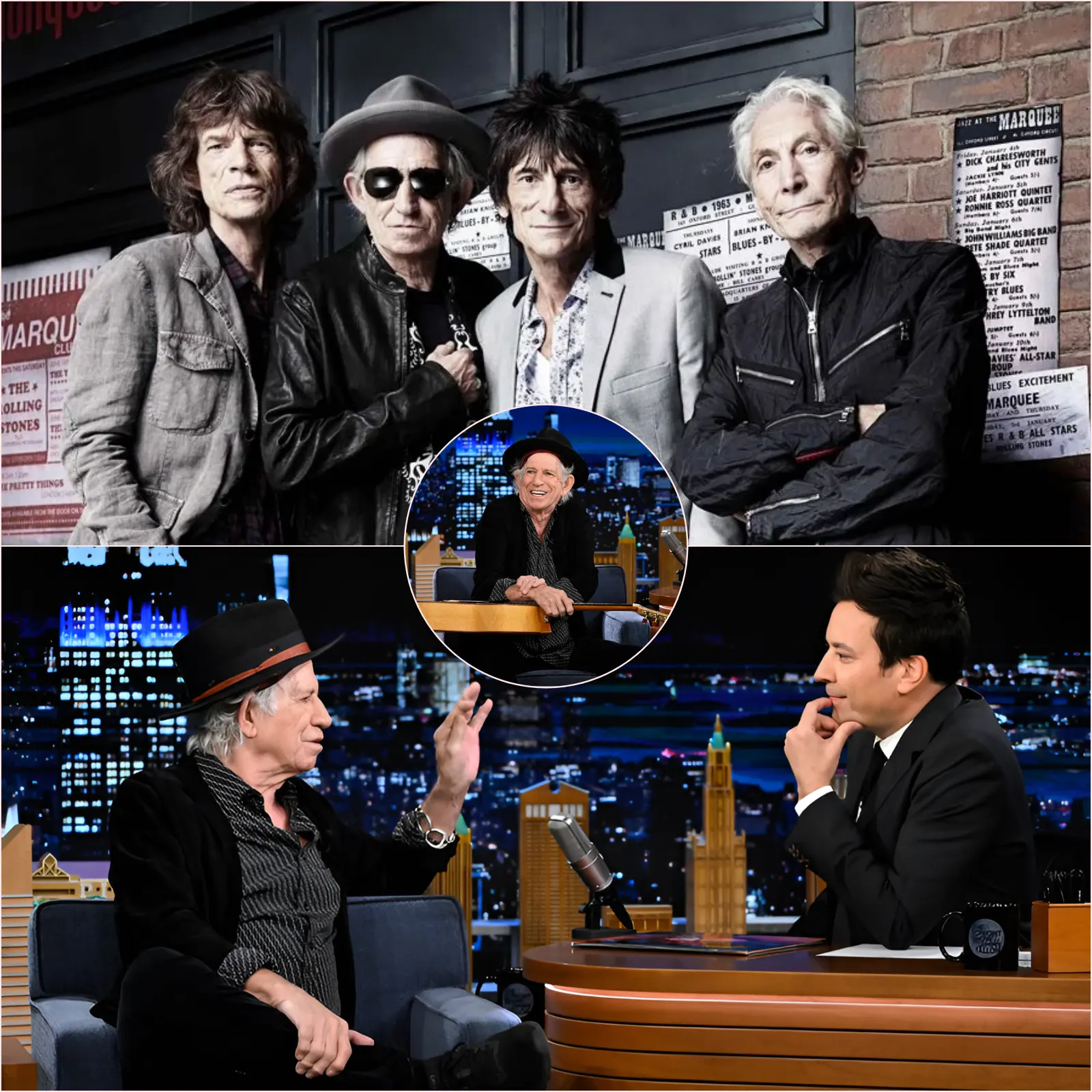
For Rolling Stones fans, the Mick Taylor years remain almost sacred territory. Between 1969 and 1974, the young blues guitarist helped shape a period that produced some of the band’s most celebrated music, bringing a fluid, melodic style that sounded dramatically different from Keith Richards’ raw, rhythm-driven attack. Yet decades after Taylor walked away from one of the biggest bands on earth, Richards’ reflections on his former bandmate have reopened an argument that never truly disappeared. The talent, Keith has made clear, was never in question. What he doubted was something harder to define and impossible to manufacture: whether Taylor ever truly belonged inside the strange chemistry that made the Rolling Stones the Rolling Stones.

Taylor entered the band in 1969 after Brian Jones’ departure, already carrying an impressive reputation from his work with John Mayall’s Bluesbreakers. He was only 20, but his playing immediately added another dimension to the Stones. His years with the group overlapped with albums including Sticky Fingers, Exile on Main St., Goats Head Soup and It’s Only Rock ’n Roll, records that helped cement one of the most revered periods in the band’s history. Even Mick Jagger later praised Taylor’s melodic fluency, while Charlie Watts regarded music created during that era among the Stones’ strongest work.

Richards, however, has always viewed guitar chemistry differently. For him, the Stones were never supposed to operate as one guitarist playing rhythm while another waited for a solo. His ideal was what he later called a kind of musical “weaving,” where two players moved around each other instinctively. In a 1983 interview revisited by Guitar Player, Richards said it was harder to create the Stones’ characteristic sound with Taylor because their roles became more clearly divided between lead and rhythm. He still called Taylor a fantastic guitarist, but said the musical chemistry lacked the flexibility he later found so naturally with Ronnie Wood.
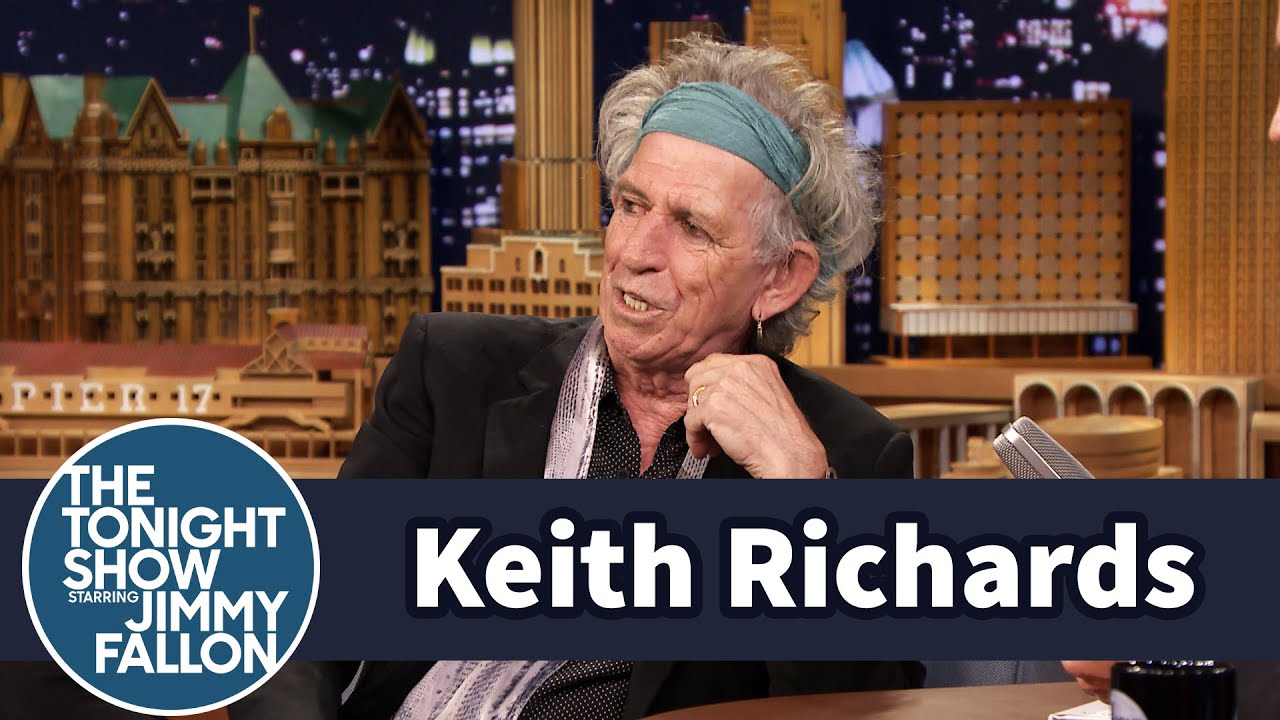
That makes Richards’ colder assessment of Taylor’s departure even more provocative. Looking back, he argued that Taylor leaving was itself evidence that he never fully fit within the band. Richards suggested Taylor expected his Rolling Stones credentials to open doors into songwriting and production after his departure, before ending the thought with the brutally dismissive phrase that continues to follow the story:
“He didn’t do anything.”
The remark sounds devastating when separated from its context, but it was not Richards claiming Taylor contributed nothing to the Rolling Stones. His own comments elsewhere make the opposite clear: Keith repeatedly acknowledged Taylor’s extraordinary ability and said he had no desire to see him leave. The sharper remark was directed at what Richards believed happened afterward and at his sense that Taylor had never been emotionally comfortable inside the band in the first place.

Taylor himself offered different explanations over the years. His December 1974 departure surprised the Stones just as they were preparing to record again, and accounts of the breakup have included creative frustration, personal tensions and the dangerous drug culture surrounding the group. Taylor later said that leaving was connected to protecting himself and his family from that environment. What appeared from the outside to be an unimaginable decision — abandoning the world’s biggest rock band — may have felt from inside like survival.
And Taylor did not simply disappear. He pursued solo work, collaborated with other musicians and remained respected as a guitarist, even if his post-Stones career never approached the visibility of the band he left. The Stones, meanwhile, eventually found Ronnie Wood, whose playing style meshed with Richards in exactly the instinctive way Keith believed the group required. Wood officially became part of the band after Taylor’s departure and ultimately formed the longest-lasting guitar partnership of Richards’ career.
Perhaps that is why the argument still fascinates fans. Mick Taylor may have been one of the finest pure guitarists ever to stand beside Keith Richards, yet technical brilliance alone was never Keith’s definition of the Rolling Stones. The band survived through instinct, tension, personality and an almost mysterious chemistry between people who often seemed incapable of living peacefully together but somehow knew how to create music together.
Taylor gave the Stones extraordinary playing. Richards never denied that. But in Keith’s world, greatness and belonging were never exactly the same thing — and more than fifty years after Taylor walked away, that distinction still fuels one of rock ’n’ roll’s most enduring debates.