Porsha Ngumezi arrived at Houston Methodist Sugar Land Hospital on June 11, 2023, eleven weeks pregnant and suffering a miscarriage. She was only 35 years old, already the mother of two young boys, and bleeding so heavily that hospital records described her passing clots as large as grapefruits. Over six hours in the emergency department, she required two blood transfusions, yet the procedure that numerous specialists later said could have stopped the hemorrhage was not performed immediately.

Instead, Porsha was given misoprostol, a medication commonly used to manage low-risk miscarriages. In her case, however, the situation was anything but low risk. She had already lost large amounts of blood and had a clotting disorder that increased the danger of uncontrolled hemorrhage. More than a dozen physicians who reviewed her medical history for ProPublica concluded that an emergency dilation and curettage, or D&C, should have been performed. Three hours after receiving the medication, Porsha’s heart stopped. The medical examiner determined that she died from hemorrhage.
In 2026, the Texas Medical Board went further, disciplining the physician overseeing Porsha’s care and finding that the delay in performing a D&C contributed to her death. The board wrote that the delay “led to the patient’s death,” although it said it could not determine with certainty whether an emergency procedure would have saved her.

Porsha’s story has become difficult to view as an isolated tragedy because statewide data show troubling changes in miscarriage care after Texas imposed sweeping abortion restrictions.
A ProPublica analysis of Texas hospital records found that sepsis rates among women hospitalized for pregnancy loss between 13 and 21 weeks rose by more than 50% after the state’s abortion restrictions took effect. The analysis found the rate increased from about 2.9% before the bans to roughly 4.9% afterward, raising questions about whether delays in emptying the uterus during complicated miscarriages are allowing infections to become more dangerous.

Another analysis found an equally disturbing pattern earlier in pregnancy. In 2023, emergency-room visits for first-trimester pregnancy loss involving a blood transfusion were 54% higher than the pre-COVID annual average. Researchers cannot prove from discharge data alone why every transfusion occurred, but physicians who reviewed the findings said the trend was consistent with concerns that some miscarrying patients are reaching more dangerous levels of blood loss before receiving definitive treatment.
The controversy has also reached the body responsible for examining maternal deaths in Texas.

The state’s Maternal Mortality and Morbidity Review Committee is a 23-member multidisciplinary panel tasked with studying pregnancy-related deaths, determining preventability and recommending ways to reduce future losses. Yet the committee decided to move from reviewing 2021 deaths to examining 2024 cases, bypassing 2022 and 2023 — the first two years after Texas’ near-total abortion ban became fully established. Committee leaders said the decision was intended to make recommendations more contemporary, while critics argued those skipped years may contain some of the most important evidence about how the policy changes affected pregnancy care.
Behind all of those numbers, however, is what happened after Porsha died.
Her husband, Hope Ngumezi, returned home to their sons without their mother. The next morning, one of the boys asked whether she was still at the hospital. Hope later described instinctively reaching for his phone to call his wife after dropping the children at school before remembering that she was gone.
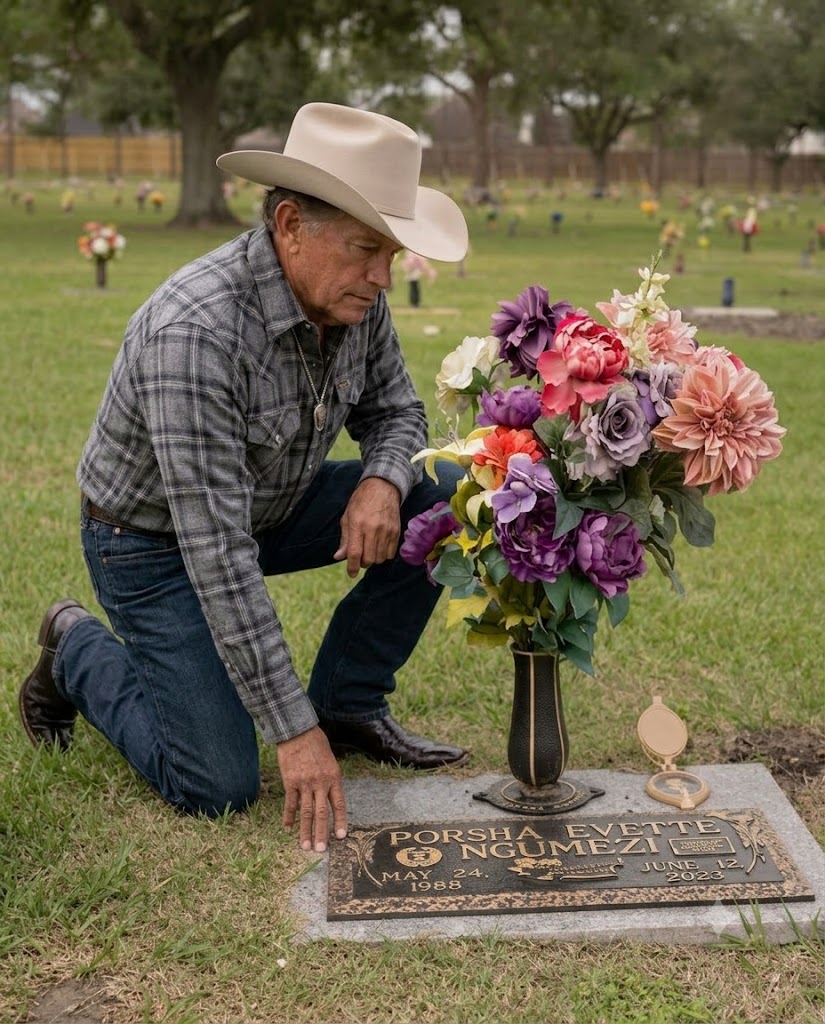
That is the part statistics can never fully capture.
A 54% increase is a number.
A rising sepsis rate is a number.
A committee report is a document.
Porsha Ngumezi was a person who expected to go home to her children.
Her death now sits inside a much larger argument over medical judgment, abortion law and whether physicians feel able to provide standard miscarriage care quickly enough when a pregnancy becomes dangerous.
Whatever position people hold in that debate, Porsha’s story leaves behind a question no family should ever have to ask:
Could someone they loved have come home if help had arrived sooner?