Keith Richards has spent most of his life connected to America in one form or another. Long before The Rolling Stones filled American stadiums, a teenage Richards was searching for imported blues and rhythm-and-blues records from across the Atlantic, fascinated by musicians such as Muddy Waters and the sounds that would eventually help shape his entire musical identity. Now, at 82, Richards is looking at the country that inspired so much of his life with a mixture of affection, nostalgia and unmistakable disappointment.
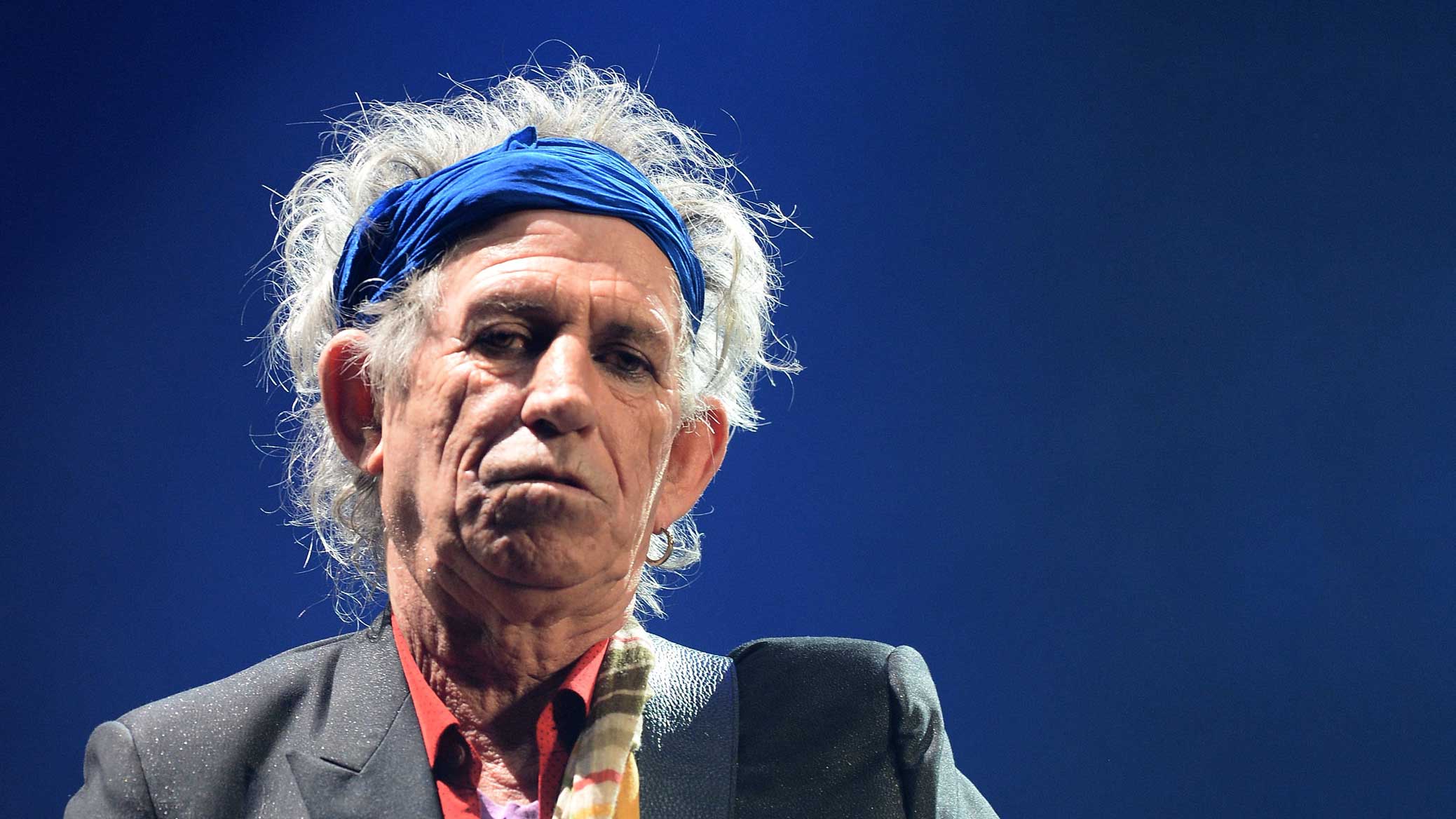
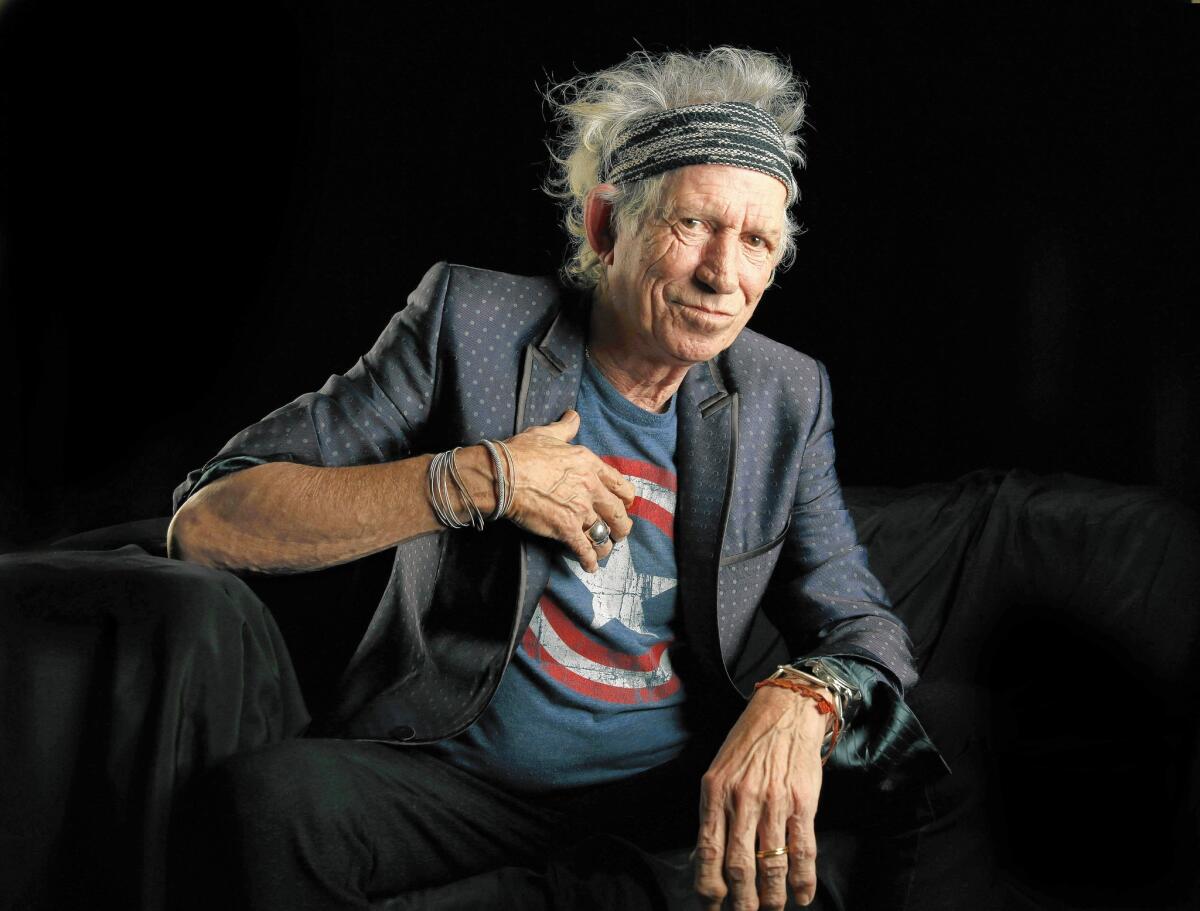

Speaking about the Rolling Stones song “Ringing Hollow,” from the band’s 2026 album Foreign Tongues, Richards described the track as a “nostalgic love affair with America” while acknowledging that the country feels “a bit of a disappointment at the moment.” He also pointed not only toward political tension but toward the financial pressure he hears people discussing around him, particularly the cost of gasoline and the way rising everyday expenses affect ordinary families.
The words immediately attracted attention because they did not sound like the kind of carefully polished statement celebrities sometimes make after consulting publicists.
They sounded like Keith.

Blunt, slightly weary and rooted less in political theory than in what he says he hears from people living around him. Richards has lived in Connecticut since 1985, meaning his relationship with America is not simply that of a British musician passing through on tour. For more than four decades, America has also been home.
That history is essential to understanding “Ringing Hollow.”
Richards has explained that he connects the song to the America he and Mick Jagger imagined while growing up in Britain during the 1950s — an almost mythical place of jukeboxes, cocktails, cigarettes, rock ’n’ roll and, most importantly, Black American music. As teenagers, Keith and Mick searched obsessively for blues records, eventually tracing the rock musicians they admired back toward artists such as Muddy Waters. Richards has said that even now, when he runs out of ideas, he often returns to the blues.

That makes his disappointment more complicated than simple criticism.
The Rolling Stones might never have existed in recognizable form without America’s musical influence. Their early identity was built around an intense love of blues and R&B, and generations later, Keith still speaks about those sounds with the excitement of someone who remembers discovering them for the first time.
So when he describes America as disappointing, the words carry the weight of somebody comparing the country in front of him with the country that once existed in his imagination.
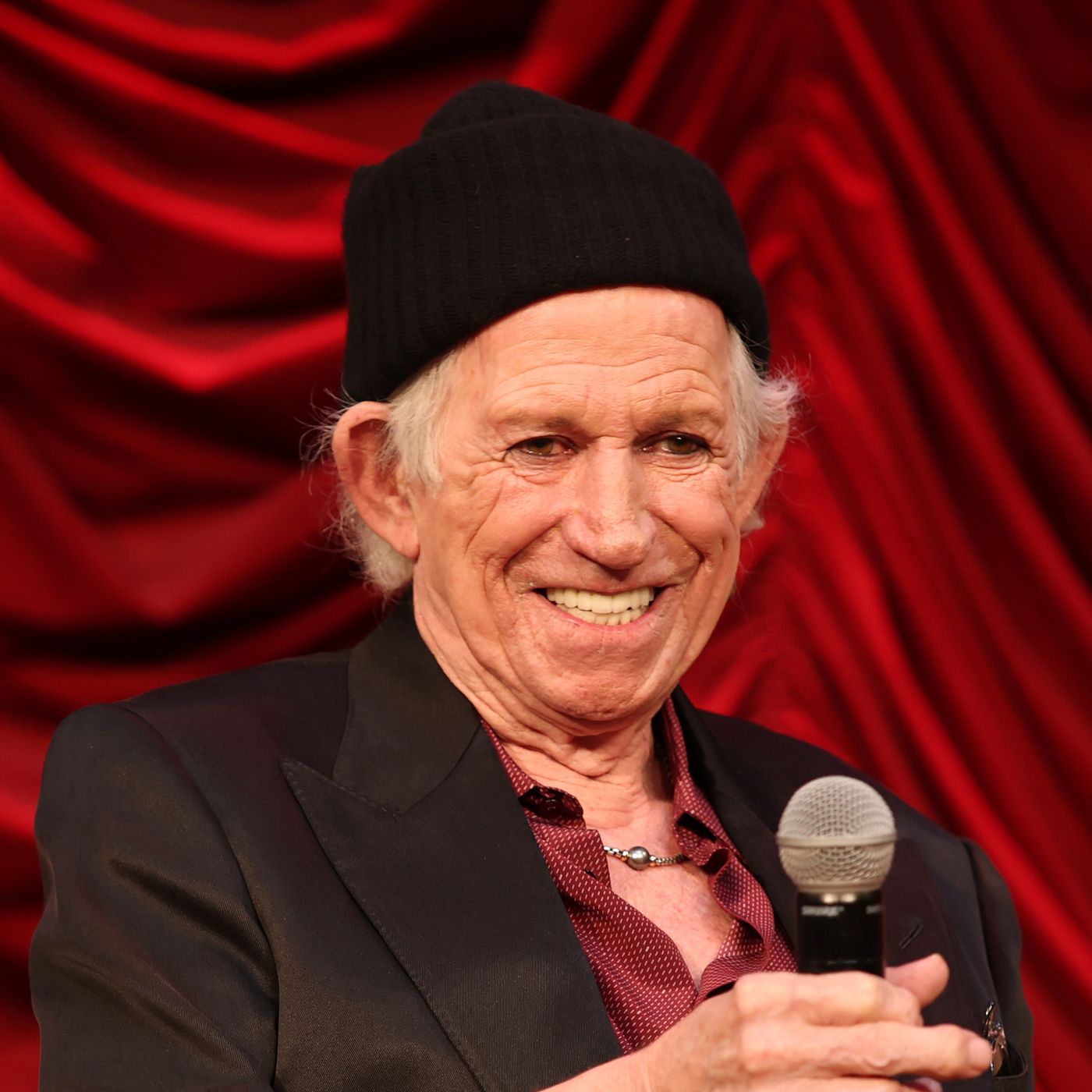
Mick Jagger has added another layer to that interpretation, explaining that “Ringing Hollow” is not exclusively about Donald Trump or one administration. He described it more broadly as a song about America as an idea and about their experiences of the country, while raising questions about the American Dream and the changing place of the United States in the world.
That distinction matters.
Keith does not sound as though he has stopped loving America.
He sounds disappointed because he has not.
After decades of playing its cities, living among its people and drawing inspiration from its musical traditions, America is not an abstraction to Richards. It is tied to his youth, his career and the very language of his guitar.
Perhaps that is why “Ringing Hollow” resonates beyond any single political argument.
The song appears to ask what happens when a place you once romanticized begins to feel unfamiliar, and whether affection can survive disillusionment.
For Keith Richards, the answer seems to be yes.
Disappointment does not erase gratitude.
Criticism does not automatically cancel love.
And after more than sixty years of riffs, rebellion and American stages, Keith still seems to believe that a guitar can sometimes express contradictions more honestly than a political speech ever could.
“Ringing Hollow” is not simply about an America he dislikes.
It is about an America he remembers, an America he still wants to recognize — and the complicated feeling of loving a place enough to admit when it has let you down.