Some songs are written quickly, carried by inspiration from beginning to end before the feeling has time to disappear. “Go Rest High on That Mountain” was not one of those songs. For Vince Gill, the piece that would eventually become one of the most powerful and enduring farewells in country music began with grief in 1989, stalled in silence, and only found its full meaning years later when loss entered his own family in a deeply personal way.
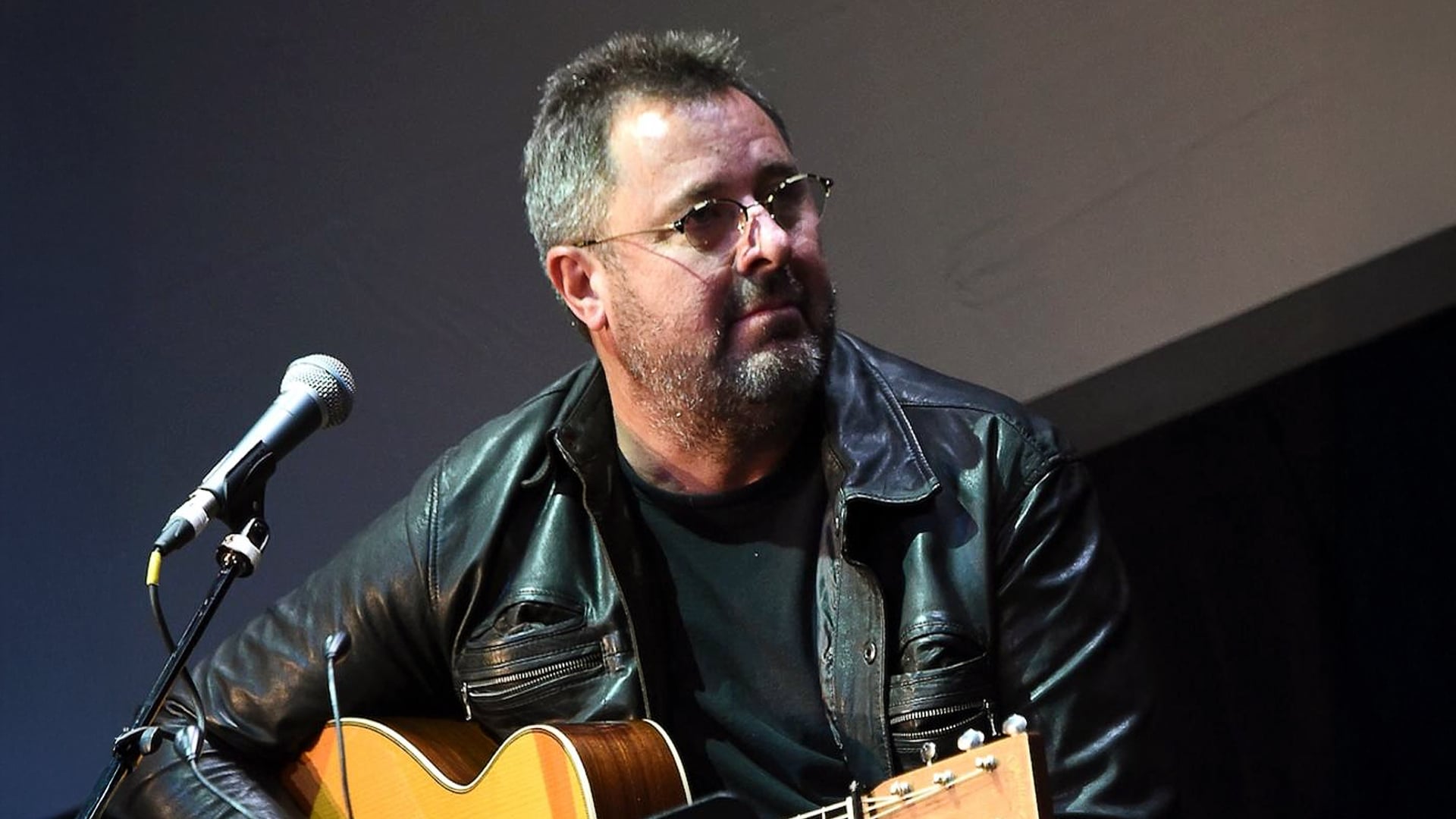
Vince first began writing the song after the sudden death of country singer Keith Whitley, whose passing shook the Nashville community and left many fellow musicians struggling to make sense of a life and career cut painfully short. The emotion was there immediately, and Vince found the opening verse and chorus, but the song would not fully reveal itself. He put it aside, carrying those unfinished words with him as time moved on.
Years later, tragedy struck much closer to home.
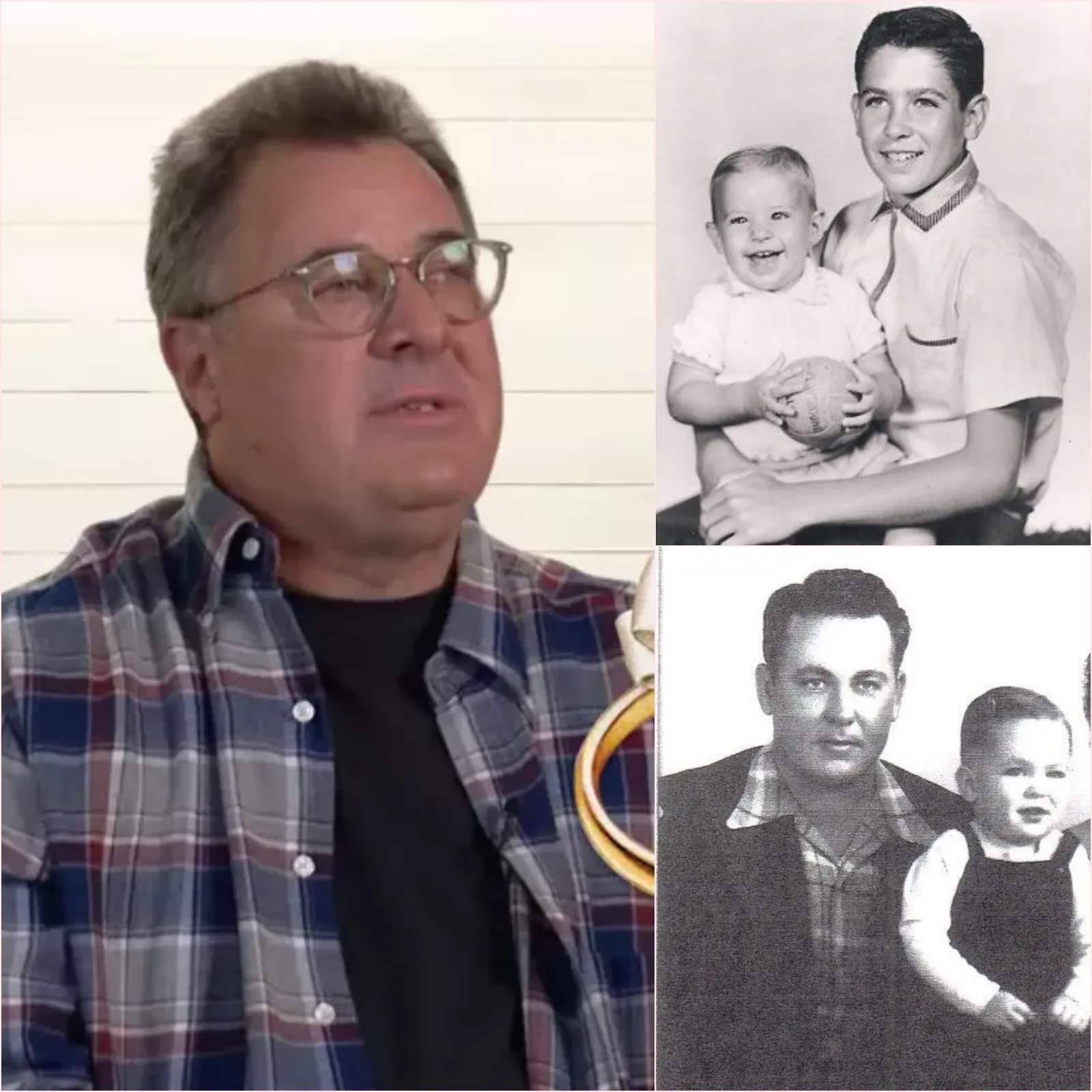
Vince’s older brother, Bob Coen, had lived for years with the lasting effects of a devastating car accident that resulted in a traumatic brain injury. His life after the accident was marked by hardship, change, and long periods of struggle, something Vince would later speak about with a mixture of love, sadness, and honesty. When Bob died, the grief Vince had once tried to put into words for someone else suddenly became part of his own family story.
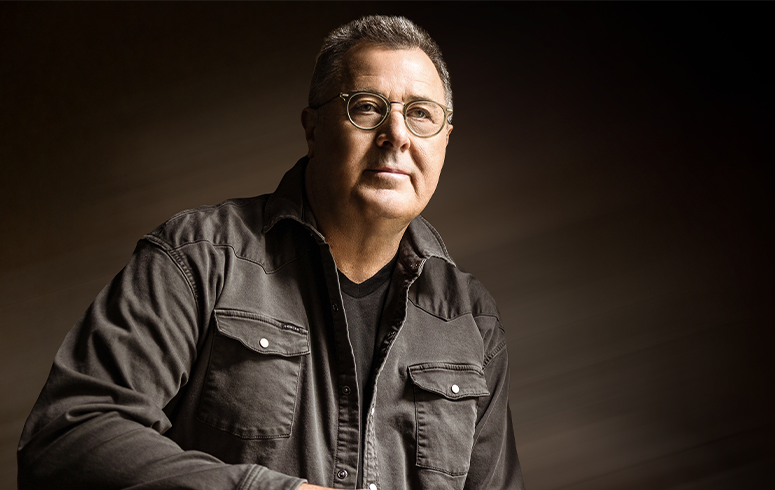
That was when the song came back.
The unfinished piece that had begun with Keith Whitley’s death now carried another name, another face, and another layer of pain. Vince finally found the words he had been unable to reach before, and in doing so, transformed the song from a tribute to one lost friend into something much broader: a prayer for peace after suffering, a release from pain, and a way of saying goodbye when ordinary language no longer feels sufficient.
When Vince recorded “Go Rest High on That Mountain” for his 1994 album When Love Finds You, he brought in two voices that gave the track even greater emotional depth. Ricky Skaggs and Patty Loveless joined him on harmony, and together their vocals created a sound that felt less like a polished studio arrangement and more like a gathering around someone in mourning.

The harmonies did not compete with Vince’s grief.
They carried it.
That balance became one of the reasons the song connected so deeply with listeners. Vince’s voice sounded vulnerable without becoming fragile, and the arrangement gave the words space to breathe. There was sorrow in the recording, but there was also calm, faith, and the suggestion that rest could exist on the other side of pain.
The song went on to become one of the most important recordings of Vince Gill’s career. It earned two Grammy Awards and later received major recognition from the Country Music Association, including Song of the Year. Yet its true legacy cannot be measured only by trophies.

Over time, “Go Rest High on That Mountain” became part of countless funerals, memorial services, family gatherings, and private moments of grief. People who had never met Vince, Keith Whitley, or Bob Coen began using the song to say goodbye to parents, spouses, children, friends, and loved ones whose absence left words feeling inadequate.
That is what transformed the song into something bigger than its origin.
It began with one musician mourning another.
It was completed after a brother was lost.
And eventually, it belonged to anyone who had ever stood beside a grave, held a photograph, or wished for one more conversation with someone who was gone.
For Vince Gill, the song may always carry the memory of two men whose deaths helped shape it.
But for millions of listeners, “Go Rest High on That Mountain” became something equally personal — a place to put grief when the heart is too full to carry it alone.
And perhaps that is why, decades later, the song still feels less like a performance and more like a prayer. ❤️🎶