The sentence is blunt enough to stop a reader mid-scroll: “If you weren’t born here, you’ll never lead here.” Attached to Bruce Springsteen’s name in a circulating account, it suggests a sweeping restriction on who could hold America’s highest elected offices. But the attribution remains unverified. No authenticated statement, interview, or proposal establishing that Springsteen made this declaration was located in the sources checked. The words should therefore be understood as part of the circulating allegation, not as a confirmed quotation from the musician.
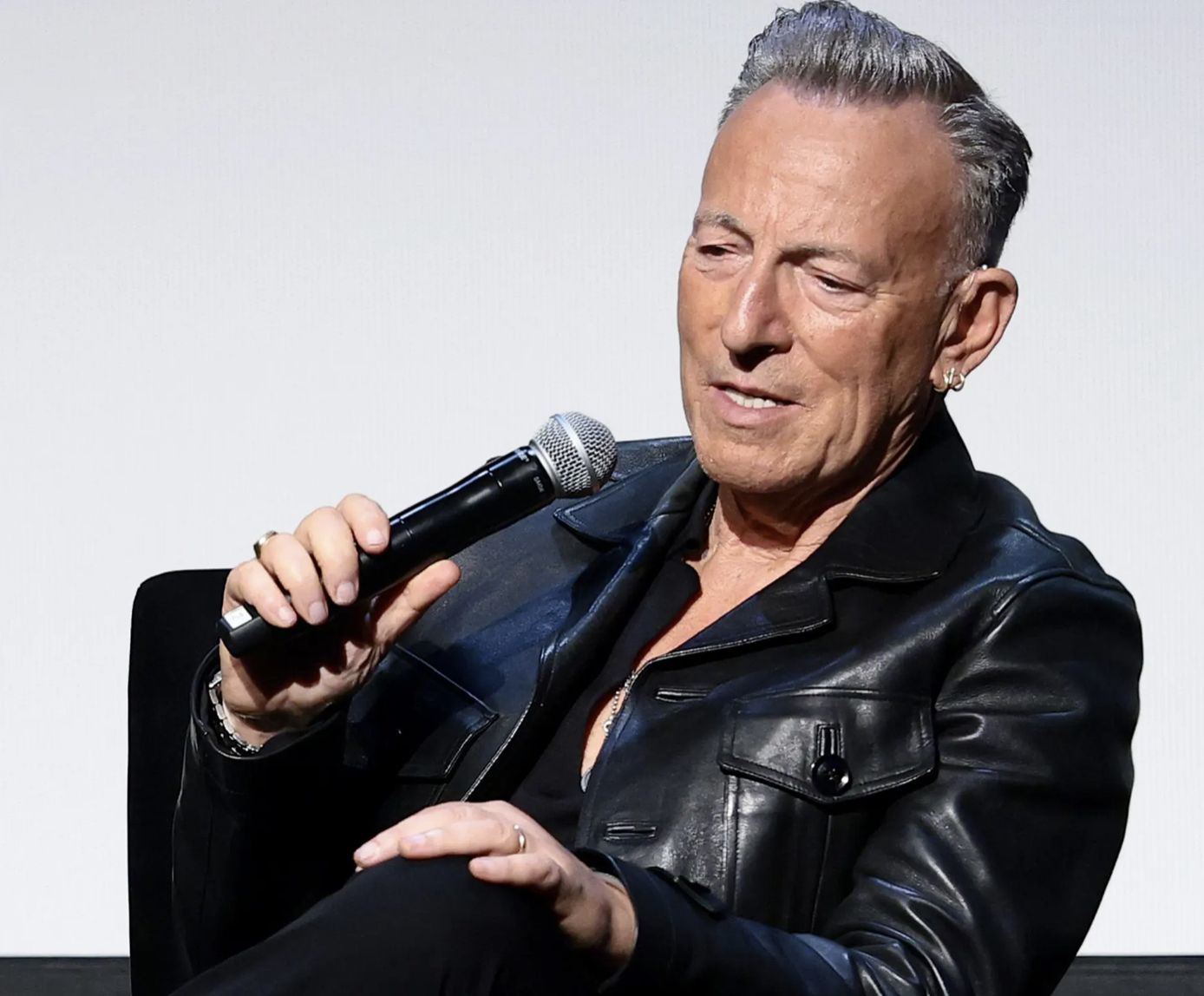
The account claims that Springsteen supports barring anyone born outside the United States from becoming president or serving in Congress. Those are separate offices with different constitutional qualifications, and combining them under one slogan obscures an important distinction. Whatever emotional response the alleged proposal provokes, understanding the existing rules is essential before judging what such a change would mean—or attributing its consequences to an artist who has not been shown to have proposed it.
For the presidency, the Constitution requires a natural-born citizen, along with a minimum age of 35 and 14 years of U.S. residency. Crucially, “natural-born citizen” is not simply another way of saying “born on American soil.” Congressional constitutional analysis discusses citizenship at birth, including circumstances involving people born abroad to American parents. A blanket birthplace restriction would therefore raise different questions from the presidential qualification already written into the Constitution. constitution.congress.gov
Congress operates under different requirements. Members of the House must be at least 25 and have held U.S. citizenship for seven years; senators must be at least 30 and have been citizens for nine years. Both must inhabit the state they represent when elected. Neither office carries a constitutional requirement that its holder have been born in the United States. Naturalized citizens can qualify, making foreign birth alone no barrier to congressional service. Library of Congress

That distinction gives the hypothetical restriction its human significance. For a naturalized citizen, public service can represent participation in a country they have made their home. A birthplace ban would judge eligibility through a circumstance established before a person could make any choice at all. Supporters of stricter qualifications might frame their position around national loyalty or shared identity, while opponents could question why citizenship would be insufficient. These are possible arguments about the idea, rather than verified reactions to a Springsteen announcement.

His name makes the allegation especially attention-grabbing because listeners associate his work with American places, working lives, disappointment, and hope. In a PBS interview, Springsteen discussed the continuing relevance of songs including “Youngstown,” “American Skin,” and “Born in the U.S.A.,” connecting their endurance to the country’s unfinished aspirations. That documented reflection offers a firmer basis for discussing his relationship with American identity than the unsupported proposal now being attributed to him. pbs.org
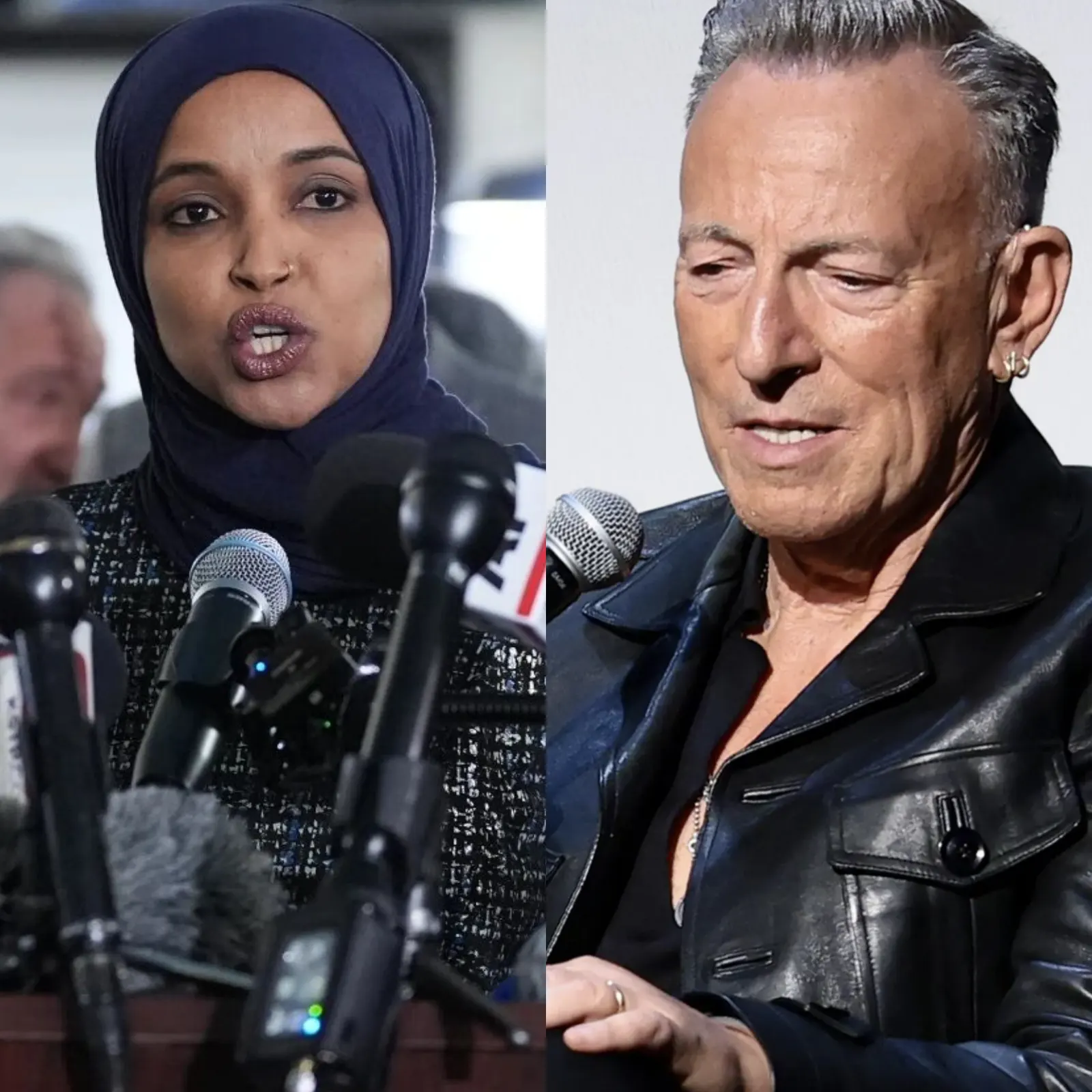
Celebrity names can give an uncertain claim an immediate sense of familiarity. Readers already have feelings about the artist, so a provocative quotation may invite admiration, anger, or disbelief before its origin receives attention. Here, the missing foundation matters: without a reliable source, neither the slogan nor the supposed proposal establishes Springsteen’s position. Likewise, there is no basis in the supplied account for describing a specific legislative initiative, an organized national backlash, or consequences for particular candidates.
The larger question raised by the story—how a nation understands belonging—deserves thoughtful discussion. It concerns citizens’ opportunities, voters’ choices, and the difference between birthplace and citizenship. Those issues are consequential enough to examine without a celebrity attribution supplying the drama. Until reliable evidence connects Springsteen to the alleged statement, his name should remain separate from conclusions about who proposed it. A conversation about American identity becomes more meaningful when the people, words, and rules involved are represented accurately—and when every citizen affected is recognized as more than a slogan.