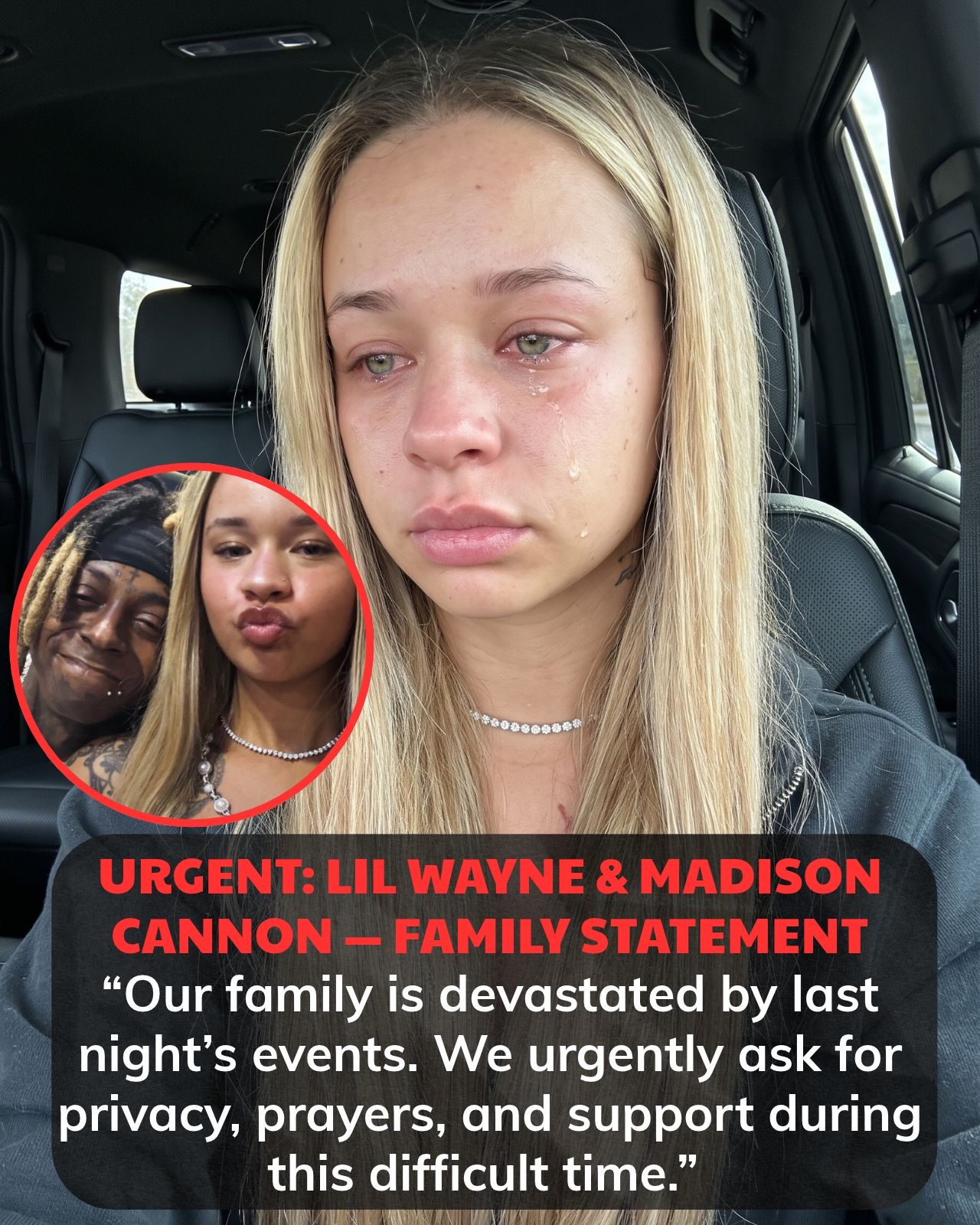
Lil Wayne has a voice fans can pick out in a crowded room. But the latest story linking the rapper to Madi Cannon is about what happens when the room empties and the work of getting through a difficult day falls to the people closest to you. The unconfirmed account claims Cannon spoke about emotional exhaustion and the importance of family, faith, and healing away from the spotlight. It gives no direct statement from her, leaving the details of what she is said to have shared unknown.

That gap matters, especially when the subject is someone’s private pain. The story asks what happened behind closed doors, but it doesn’t identify a particular event or explain what either person may have experienced. Concern is understandable; it just can’t fill in those missing details. The most affecting idea in the account is one readers can recognize without knowing any more about Wayne or Cannon: a person can keep showing up for work and still need somewhere to set down what they’ve been carrying.

For longtime listeners, that idea lands differently because of the energy Wayne brings to his music. On “A Milli,” he can take a spare beat and make it feel crowded with ideas, turning a phrase just when you think you know where it’s headed. A record like that might be what someone puts on before a long shift or on the drive home after a rough day. When an artist has helped you summon a little energy of your own, it’s natural to hope he has people he can turn to when his energy runs low.
Family is part of what gives the story that pull. There’s a particular comfort in being around someone who can recognize when you’re tired without needing you to explain the whole day. Support might look like a meal, a call that comes at the right time, or an evening when nobody expects much conversation. Those are familiar ways people care for one another, rather than details of Wayne and Cannon’s lives. They help explain why a story about finding refuge with loved ones can feel personal even when the people in the headline are strangers.

Faith adds another dimension to the account. For some families, prayer is a way to sit together when there are no easy answers. For others, comfort comes from an old routine or a place where they can speak freely. Healing can be quiet enough that, from the outside, it looks like very little is happening. The time someone takes away from public attention may be valuable precisely because they get to decide how to spend it and whom to spend it with.

There’s room for Cannon’s perspective in this story, too. The headline puts her in the position of explaining what goes on when the cameras are gone, yet it offers none of her words. If she chooses to speak about a difficult experience, she gets to decide how much of it to tell and where her own story begins. Being close to a famous person can make anything you say sound like an update about them, even when you’re trying to describe something you’ve felt yourself.
The question of what happened between Wayne and Cannon remains open. What gives the story its emotional weight is how familiar the wish behind it feels: that someone who’s brought joy into your life has a little of that joy coming back to him. For listeners who know which Wayne verse to put on when a friend needs cheering up, that wish can be as simple as hoping he has good company, room to rest, and people who know him well enough to let a quiet evening stay quiet.