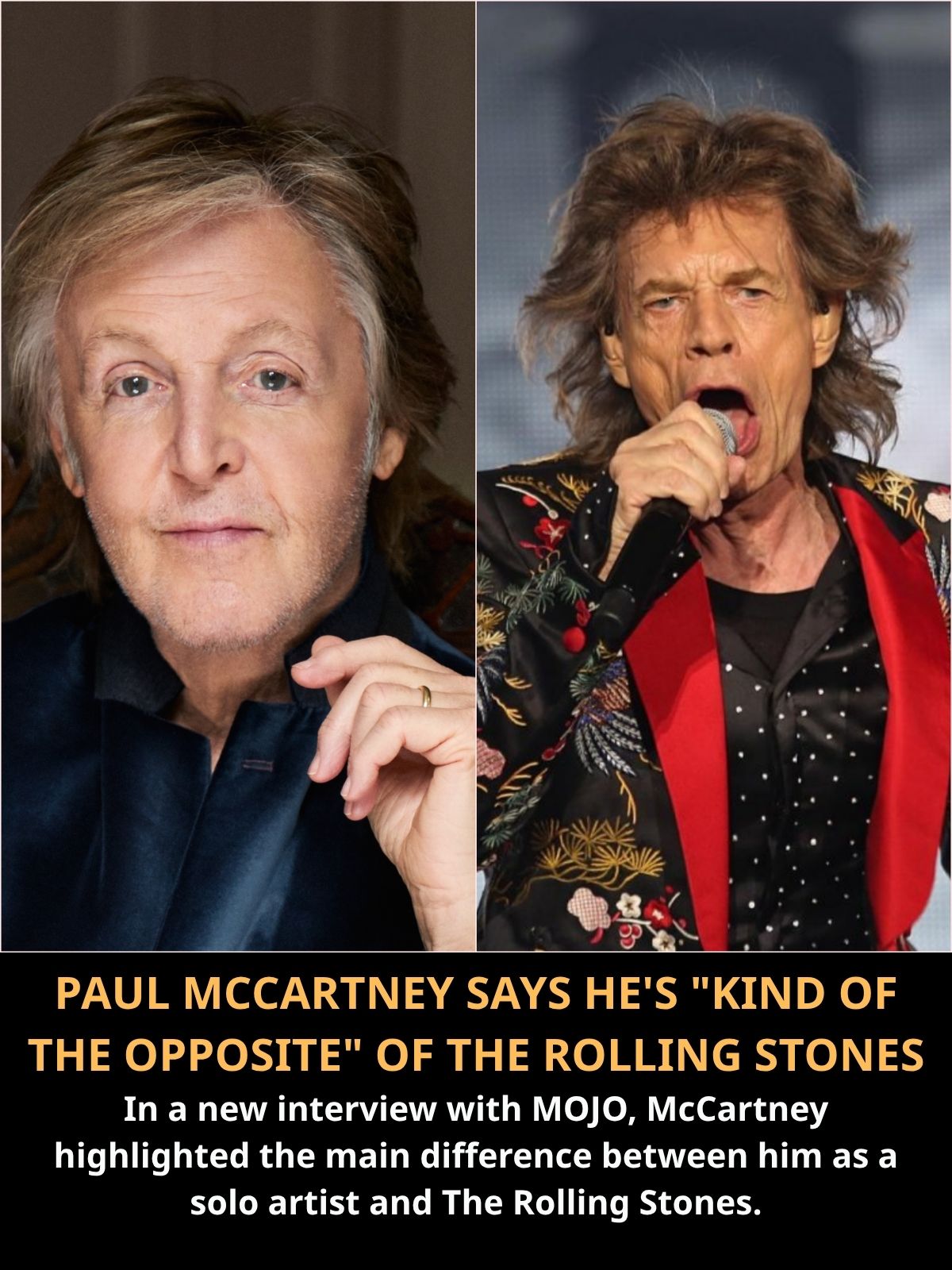
In a music world often driven by fast trends, short attention spans, and the constant arrival of new names, 2026 is shaping up to deliver something far rarer: a major moment led by artists who helped define the very language of modern rock. Paul McCartney and The Rolling Stones, two forces whose histories stretch across generations, are once again at the center of global attention as fans look toward two of the most anticipated album releases of the coming months.

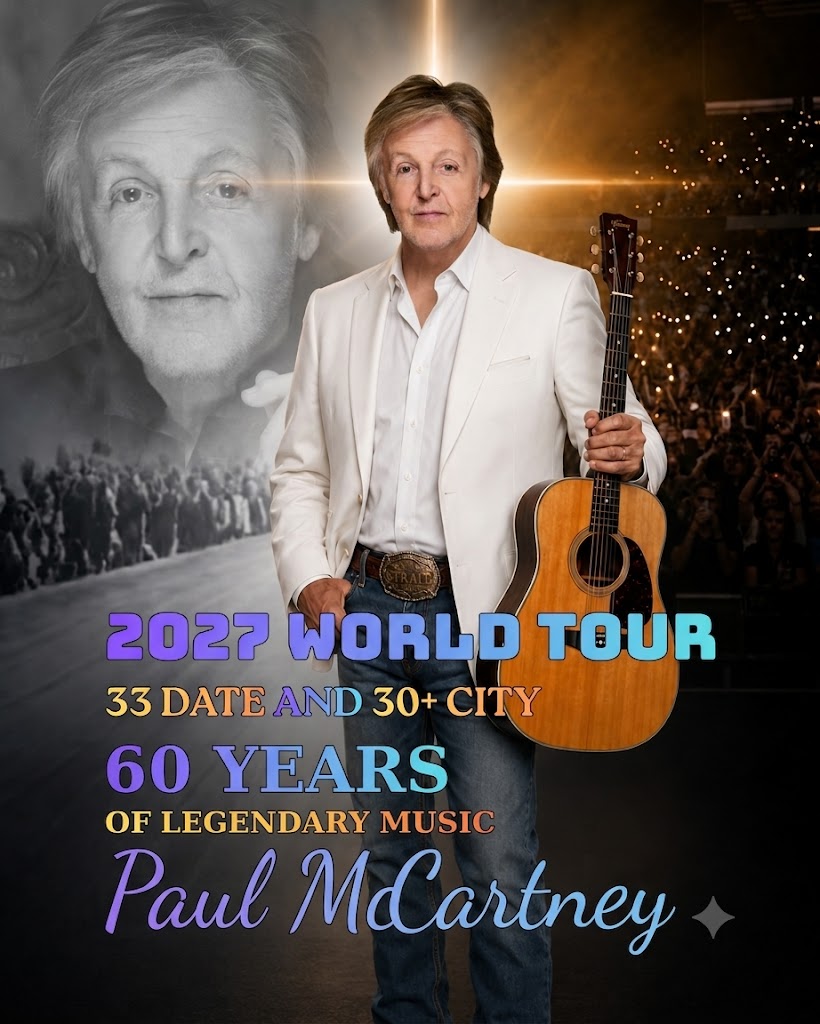
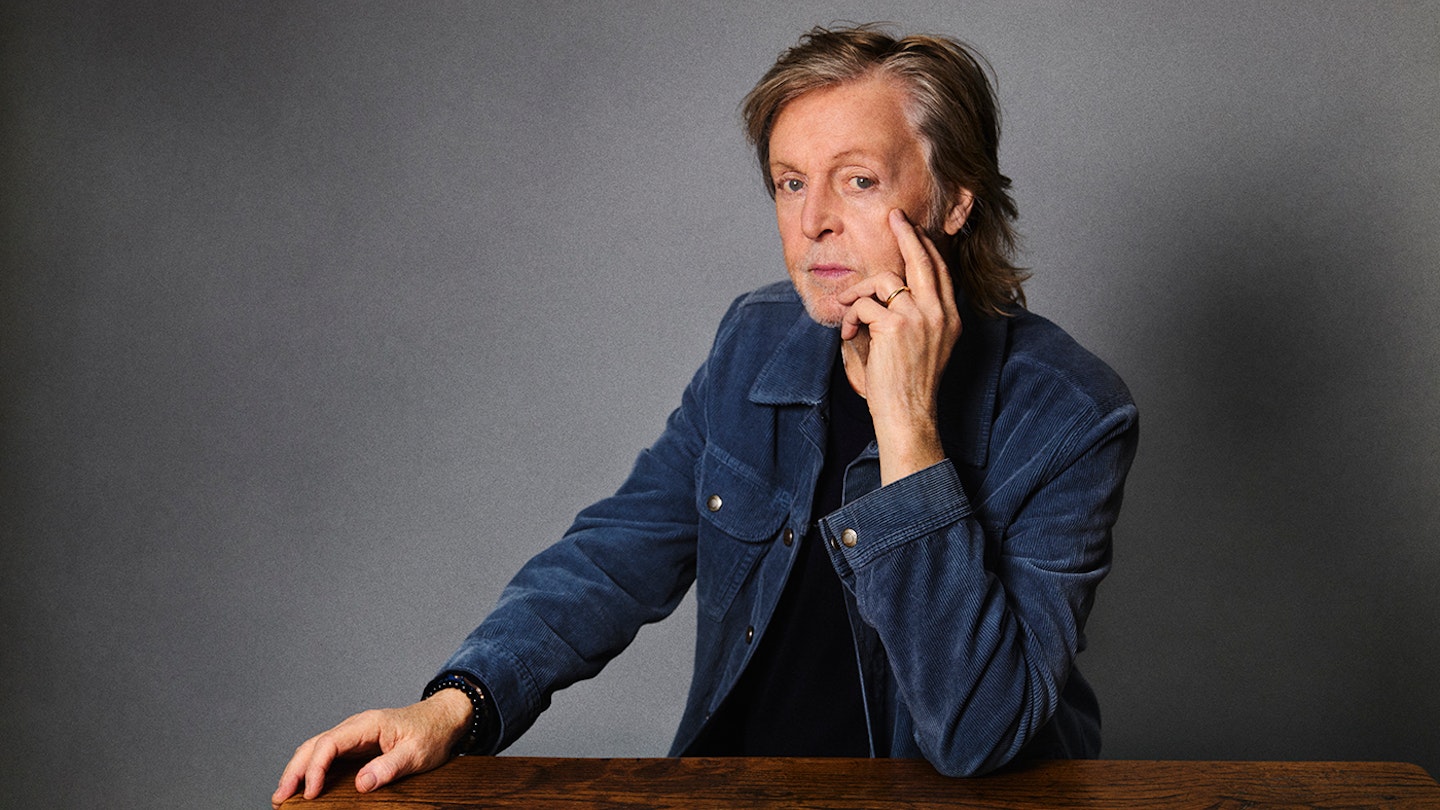
For Paul McCartney, the excitement is tied to The Boys of Dungeon Lane, a new solo album announced for release on May 29, 2026. The project arrives with the kind of weight that only McCartney can carry, because every new chapter of his career is measured not simply as another album, but as another message from one of the last living architects of a musical revolution. His official announcement described the album as available for pre-order, with the song “Days We Left Behind” already released ahead of the full project. ()
The title itself has already sparked interest among listeners, especially because it seems to point back toward memory, place, and the emotional geography of McCartney’s early life. That has always been one of his quiet strengths as a songwriter. Even at his most experimental, McCartney has often returned to images of youth, home, roads, relationships, and the passage of time, turning private memory into melodies that millions can recognize as their own.

The Rolling Stones, meanwhile, are preparing for their own major return with Foreign Tongues, their 25th studio album, scheduled for release on July 10, 2026. The band officially unveiled the project at a launch event in Brooklyn, with Mick Jagger, Keith Richards, and Ronnie Wood presenting another chapter in a career that has already lasted more than six decades. According to Reuters, the album follows their Grammy-winning 2023 release Hackney Diamonds and includes 14 tracks, including “In the Stars” and “Rough and Twisted.” ()
What makes the Stones’ return especially striking is not only their longevity, but the sense that they are still treating new music as a living challenge rather than a nostalgic obligation. Reports note that producer Andrew Watt, who also worked on Hackney Diamonds, returned for the new album, helping the band continue the energy that made their previous studio comeback feel unexpectedly sharp and alive. ()
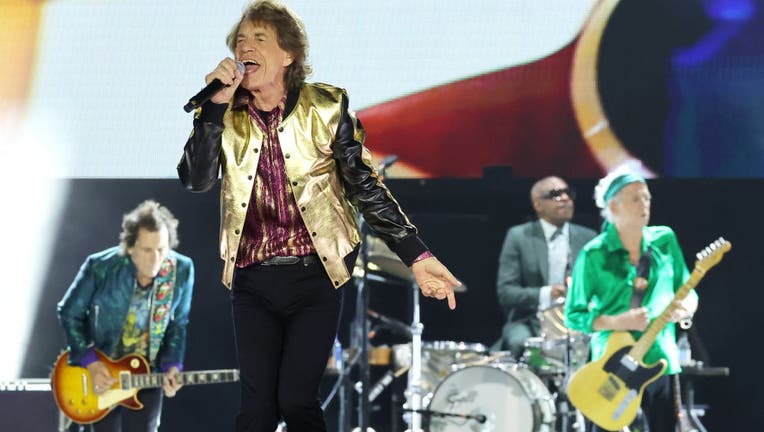
The connection between these two releases runs deeper than timing. McCartney is not only preparing his own album, but is also listed among the guest contributors on The Rolling Stones’ Foreign Tongues, placing him inside the Stones’ 2026 story as well. For fans of classic rock, that detail alone feels almost symbolic, as if two of the greatest surviving institutions of British music are not simply releasing records in the same season, but quietly crossing paths again in a year that already feels unusually rich with history. ()
For younger listeners, these albums may offer a chance to experience legendary names not as museum pieces, but as active artists still adding to their catalogs. For older fans, they represent something more emotional: proof that the voices, guitar tones, instincts, and songwriting traditions that shaped entire lifetimes have not disappeared into memory. McCartney and The Rolling Stones are not returning as shadows of the past. They are returning with new material, new expectations, and the rare ability to make the release of an album feel like a cultural event.
There is also a larger meaning in seeing these artists still create in 2026. Rock history has lost many of its giants, and each new release from the remaining legends carries a certain urgency. Every album becomes more than music. It becomes a document of endurance, curiosity, and refusal. It reminds listeners that creativity does not have to retire when the spotlight changes, and that artists who once rewrote the rules can still find reasons to enter the studio and search for another song.
That is why the anticipation surrounding these two albums feels different from ordinary release-cycle excitement. This is not just about track lists, singles, reviews, or chart positions. It is about watching Paul McCartney and The Rolling Stones continue conversations they began more than sixty years ago, when British rock was still young and the world had no idea how deeply these names would become embedded in popular culture.
In the coming months, fans will hear what both projects have to say. McCartney will offer another solo statement shaped by memory, melody, and a lifetime of craft. The Rolling Stones will return with another band record built on swagger, grit, chemistry, and survival. Together, their releases could make 2026 feel like a reminder that rock’s past is not finished speaking.
It is still writing new verses.