▶ Watch the full video at the end of the article.
She reaches toward his hair, and suddenly the years between them seem to disappear. In the final encounter between Katie Morosky and Hubbell Gardiner, a familiar gesture carries everything they can no longer say. There is affection, recognition, and the painful understanding that their lives have moved in different directions. Fifty-three years after its 1973 release, “The Way We Were” still finds its deepest heartbreak in that simple truth: love can remain long after a relationship has ended.

Directed by Sydney Pollack and starring Barbra Streisand and Robert Redford, the film gives its romance an emotional tension that beauty alone cannot resolve. Katie and Hubbell are drawn to one another, yet their differences shape how they understand responsibility, ambition, and the world around them. Attraction brings them close; building a life together asks questions neither can answer easily. That struggle gives the film its lasting intimacy, especially for viewers who understand that loving someone and living alongside them are different challenges.
Streisand makes Katie’s feelings vivid without making them comfortable. Her conviction, vulnerability, and longing exist together, creating a woman whose emotional intensity is inseparable from her sense of self. Redford’s Hubbell offers a contrasting ease, a charm that helps explain Katie’s attraction while also revealing the distance between their instincts. Their chemistry makes the connection believable, but the performances also allow viewers to feel its limitations. Even in tender moments, the possibility of disappointment remains close.
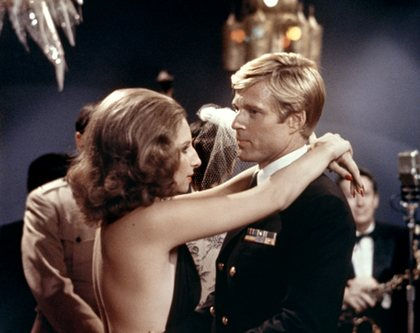
That is what makes the final street encounter so affecting. By then, the audience carries the history the characters share: the attraction, the effort, the happiness, and the compromises that never quite held. Seeing them together again awakens the hope that recognition might somehow become reunion. Instead, the scene stays with something more difficult and more familiar. They can still matter enormously to one another without returning to the life they once tried to build.
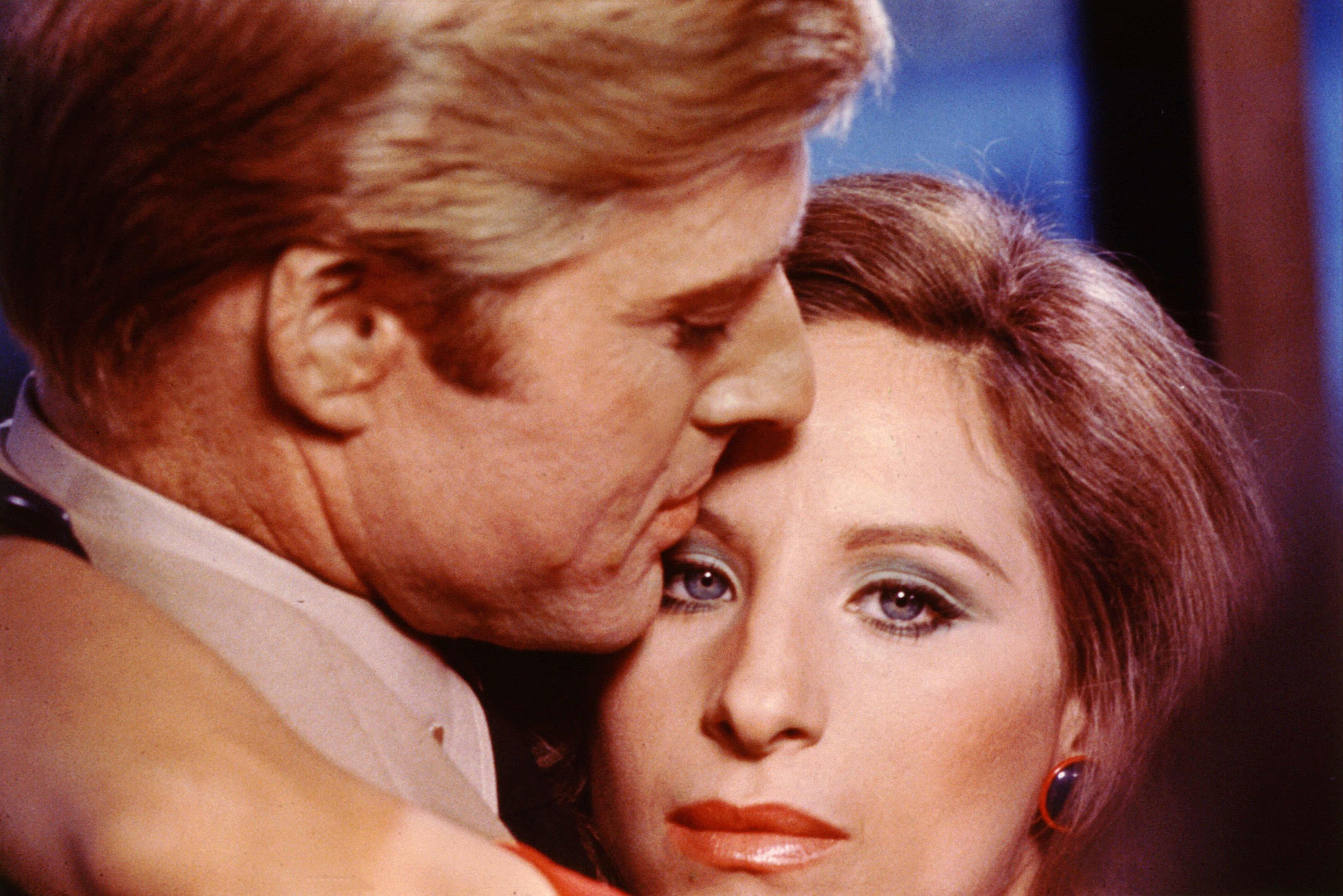
Katie’s gesture toward Hubbell’s hair gives that understanding a physical expression. It suggests an intimacy remembered by the body before it can be contained by ordinary conversation. Anyone who has unexpectedly encountered a former love may recognize the sensation: familiar details return immediately, even when the relationship belongs to another chapter. The scene allows tenderness to survive without promising reconciliation. Its emotional force comes from accepting both the connection and the separation at once.
Streisand’s title song deepens that experience, giving memory a musical language that extends beyond the screen. Its reflective mood invites listeners to revisit happiness while acknowledging how much time can alter its meaning. The film earned two Academy Awards, for Original Dramatic Score and Original Song, recognizing music that became central to its identity. For many viewers, hearing the melody is enough to restore the atmosphere of the ending, along with whatever personal memories have gathered around it.
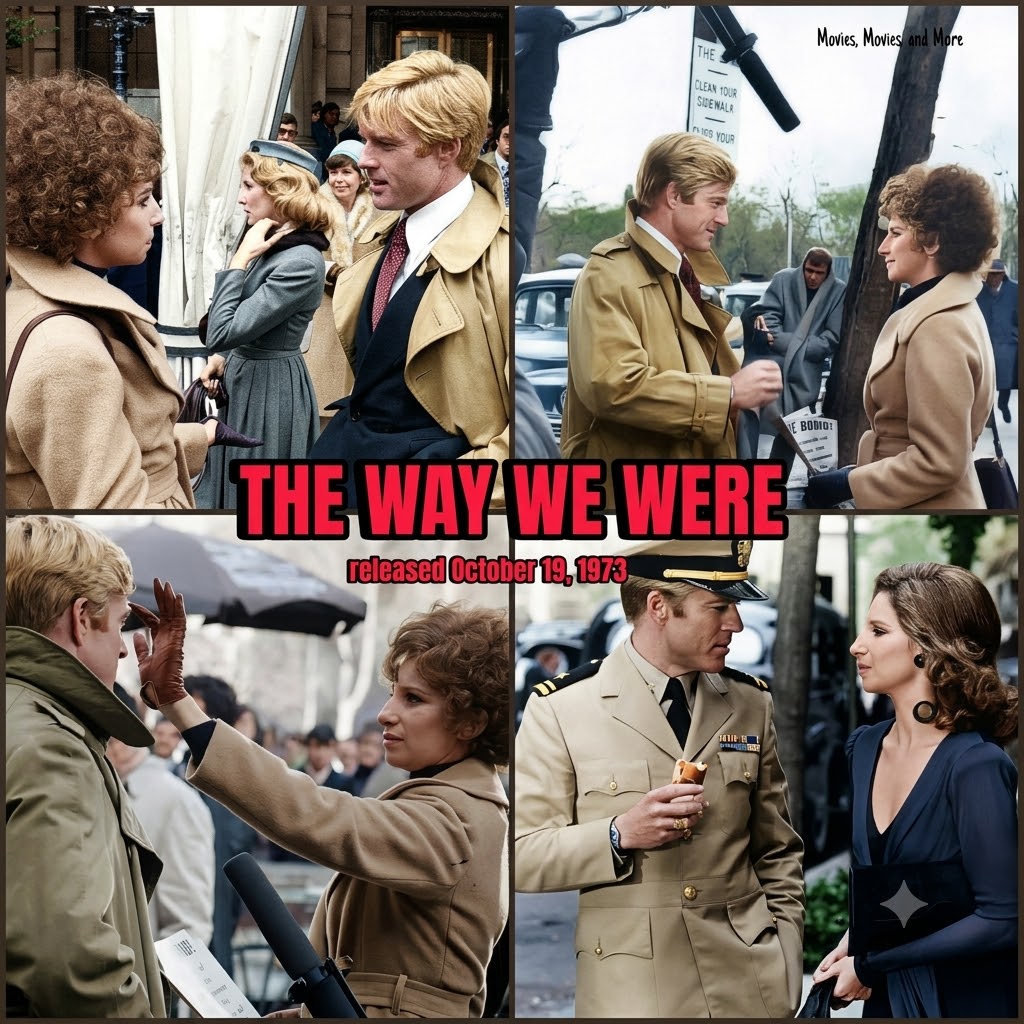
Over 53 years, audiences have also brought changing lives to the film. Someone watching when young may wish Katie and Hubbell would overcome every obstacle. Returning later, that same viewer may better understand the exhaustion of incompatible needs, or the courage involved in accepting an ending. The film remains familiar while the audience changes. Its sadness can become more nuanced with experience, allowing regret to sit alongside gratitude for what was once real.
Perhaps that is why the final encounter continues to move people so deeply. It gives dignity to a love that could not become a lasting partnership, allowing its meaning to survive its failure. Katie and Hubbell leave viewers with the ache of possibility, but also with the recognition that some relationships shape a life without occupying all of it. Fifty-three years later, that goodbye still feels personal. A touch, a smile, and a familiar face become reminders of the people we once loved—and of the memories we carry forward, even after we have learned how to let them go.