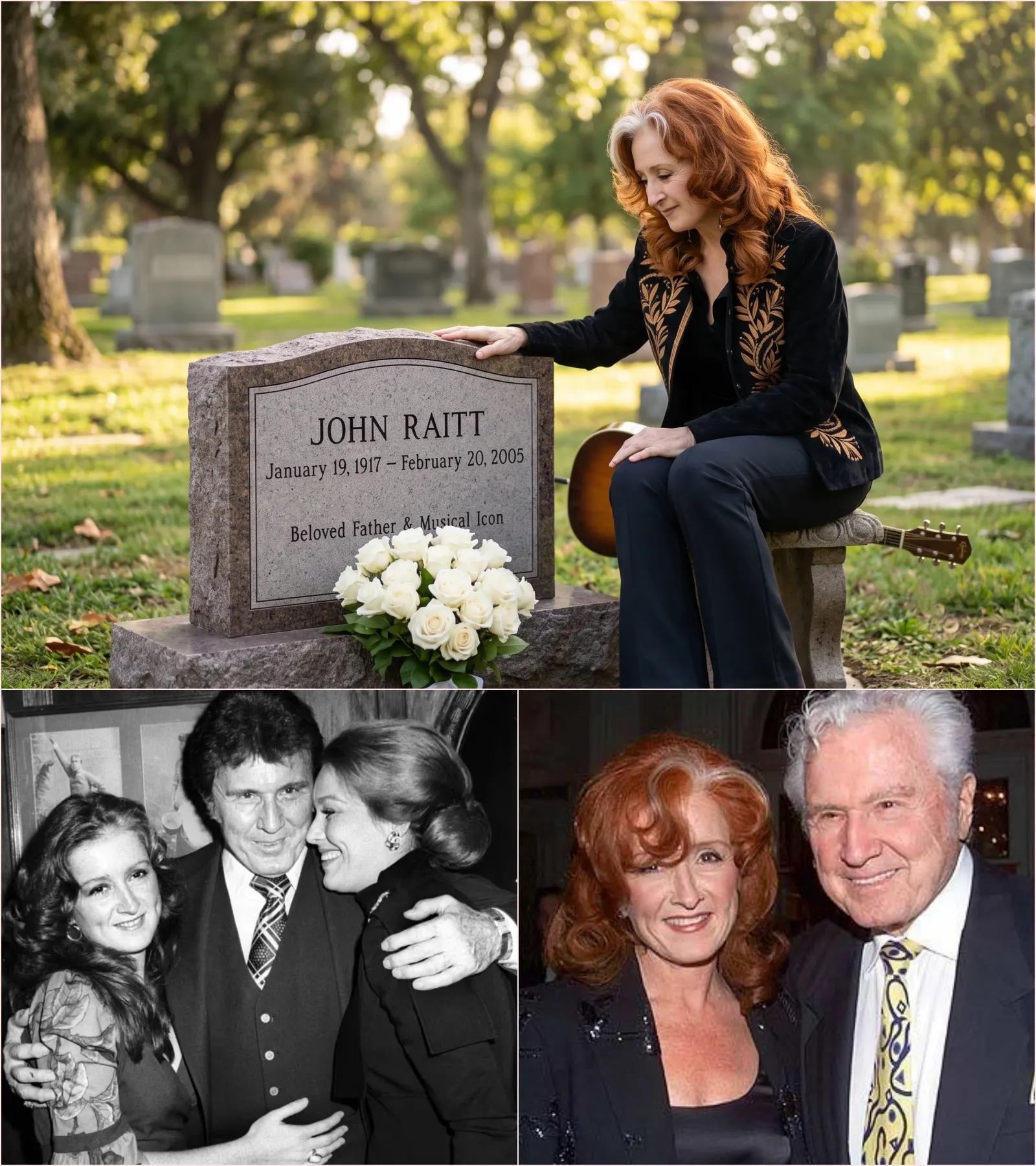
A deeply emotional story claiming that Bonnie Raitt is facing a devastating family crisis involving a beloved grandchild has begun circulating online, accompanied by words about faith, strength, prayer, and standing beside family during life’s hardest moments. The message is written in a way almost guaranteed to touch the heart, especially for longtime fans who have followed Raitt through decades of music filled with vulnerability, loss, resilience, and compassion. But before sharing the heartbreaking claim as fact, there is an important truth fans should know: there is no reliable evidence that Bonnie Raitt has a child or grandchild, and Raitt herself has publicly explained that she chose not to have children.
In a previous interview, Raitt spoke openly about that decision, explaining that she never felt called to motherhood and ultimately chose the life of a working musician, spending decades traveling, recording, and performing. That makes the viral claim about “her beloved grandchild” highly questionable. Her official website also issued a striking warning in November 2025 about false stories spreading on Facebook, specifically calling out misinformation involving Bonnie’s career, family, politics, and philanthropy. The warning makes stories like this especially important to approach with caution rather than emotion alone.
That does not mean the feelings behind the message are meaningless. In fact, they may resonate precisely because Bonnie Raitt’s real life has been shaped by family bonds, grief, friendship, and a deep awareness that nothing lasts forever. She was raised in a musical family as the daughter of Broadway star John Raitt and pianist Marge Goddard, and she has spoken lovingly about the influence of her parents, her brothers, and the musicians who became part of her extended musical family. Her official biography recalls periods when she endured the deaths of her parents, her brother, and a close friend, losses that eventually led her to step back from touring and spend more time with the people she loved.

Perhaps that real history is why fabricated family stories can sound believable when attached to her name. Bonnie has spent her career singing as though she understands what it means to lose someone, forgive someone, miss someone, or continue loving when life refuses to offer an easy ending. Songs such as “I Can’t Make You Love Me” became timeless not because audiences believed every lyric was literally autobiographical, but because Raitt could make emotional truth feel intimate enough to belong to everyone listening.
The statement circulating with the alleged grandchild story includes sentiments about facing hardship together and putting family before everything. Those ideas certainly fit the compassionate public image Raitt has built over the years, including her long commitment to social causes and helping people in need. Her official website describes compassion for suffering and social justice as central to the values she inherited from her Quaker upbringing. But similarity to someone’s values is not evidence that they actually spoke particular words.
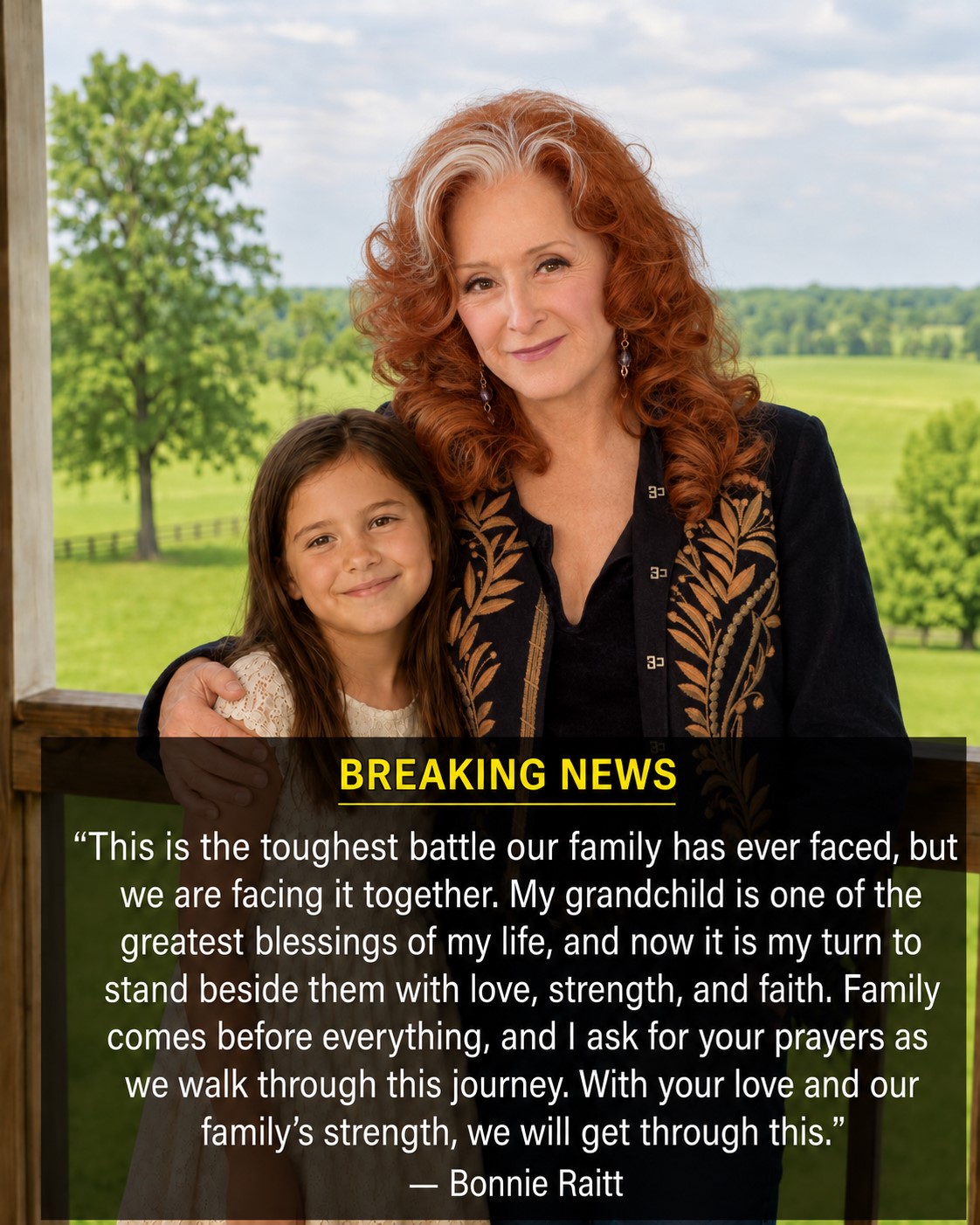
For fans, there is a larger lesson here. The internet has made it easier than ever to turn admiration into misinformation, especially when a story involves illness, grandchildren, prayer, or a beloved artist supposedly facing tragedy. Emotional language can make people want to believe first and verify later.
Bonnie Raitt’s real story does not need an invented family tragedy to make it powerful. Her life already contains love, grief, resilience, friendship, generosity, and music that has helped millions through their own hardest nights.
Sometimes honoring an artist means sharing their songs. Sometimes it means remembering their kindness. And sometimes, it means caring enough about them not to turn a heartbreaking story into “news” before knowing whether it was ever true.