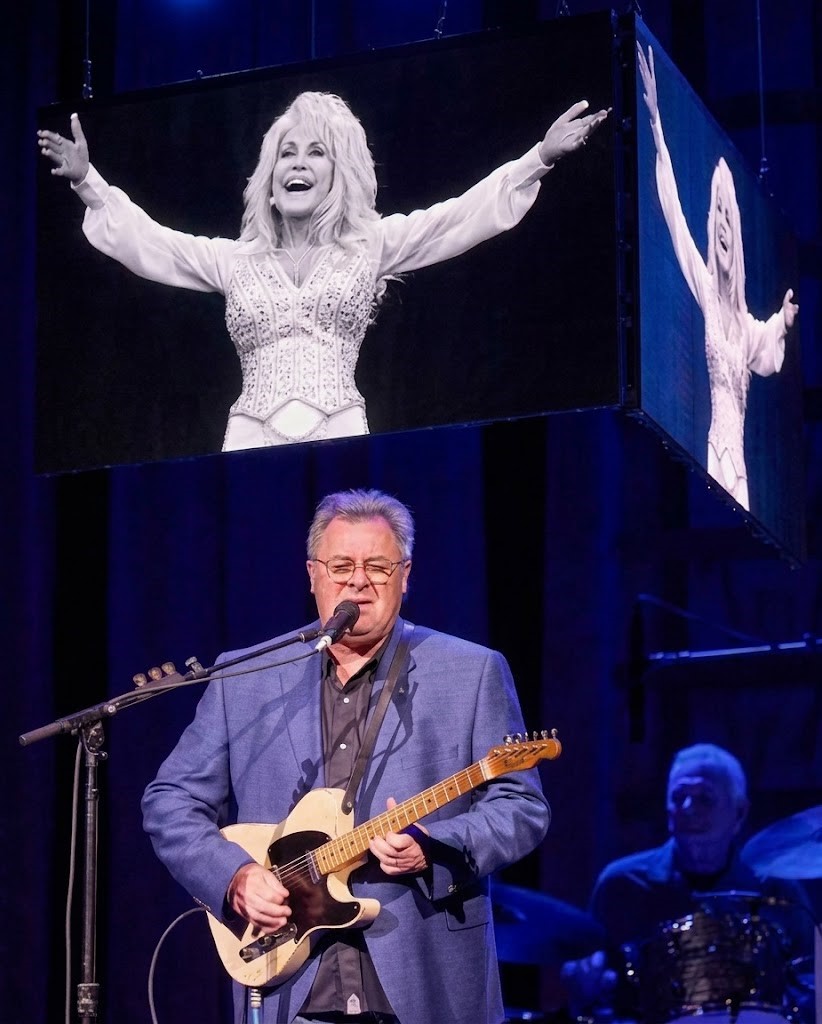
Long before “I Still Believe in You” became one of Vince Gill’s signature songs, it began in a far more private place: with a husband who knew he had disappointed his wife and wanted to find the right words to make things right. In 1992, Gill was already becoming one of country music’s most admired voices, but his growing career was demanding more of his time, and the pressures surrounding work were beginning to follow him home. What emerged from one difficult moment in his marriage to Janis Oliver would eventually become his first No. 1 country single — and one of the most important recordings of his life.
The song was written with pianist and songwriter John Barlow Jarvis. According to Jarvis, the two had arranged a songwriting session after discussing the idea backstage at the CMA Awards. Gill, however, had forgotten to tell his wife about the plan, which led to an argument at home. By the time he arrived to write with Jarvis, he was already carrying the emotional weight of that disagreement and was, as Jarvis later remembered, in the mood to write a “make-up song.”
That emotional starting point shaped everything that followed.
Instead of writing from the familiar country-music perspective of a man who had been abandoned or betrayed, Gill turned the blame inward. The narrator of “I Still Believe in You” recognizes that he has been selfish, distracted and guilty of giving too little attention to the person he loves. The song is not built around anger or accusation. It is built around responsibility.

That distinction made it unusually vulnerable.
At the time, Gill’s career was gathering extraordinary momentum. Years of hard work were finally translating into wider recognition, but success came with its own complications. More performances, recording sessions and professional obligations meant more time away from ordinary family life. Against that background, the song’s promise to do better sounded less like a fictional romantic scenario and more like a man confronting the cost of allowing everything else to become more important than the person waiting at home.
Then came the great irony.
The song born from a desire to repair something private dramatically expanded Vince Gill’s public life.
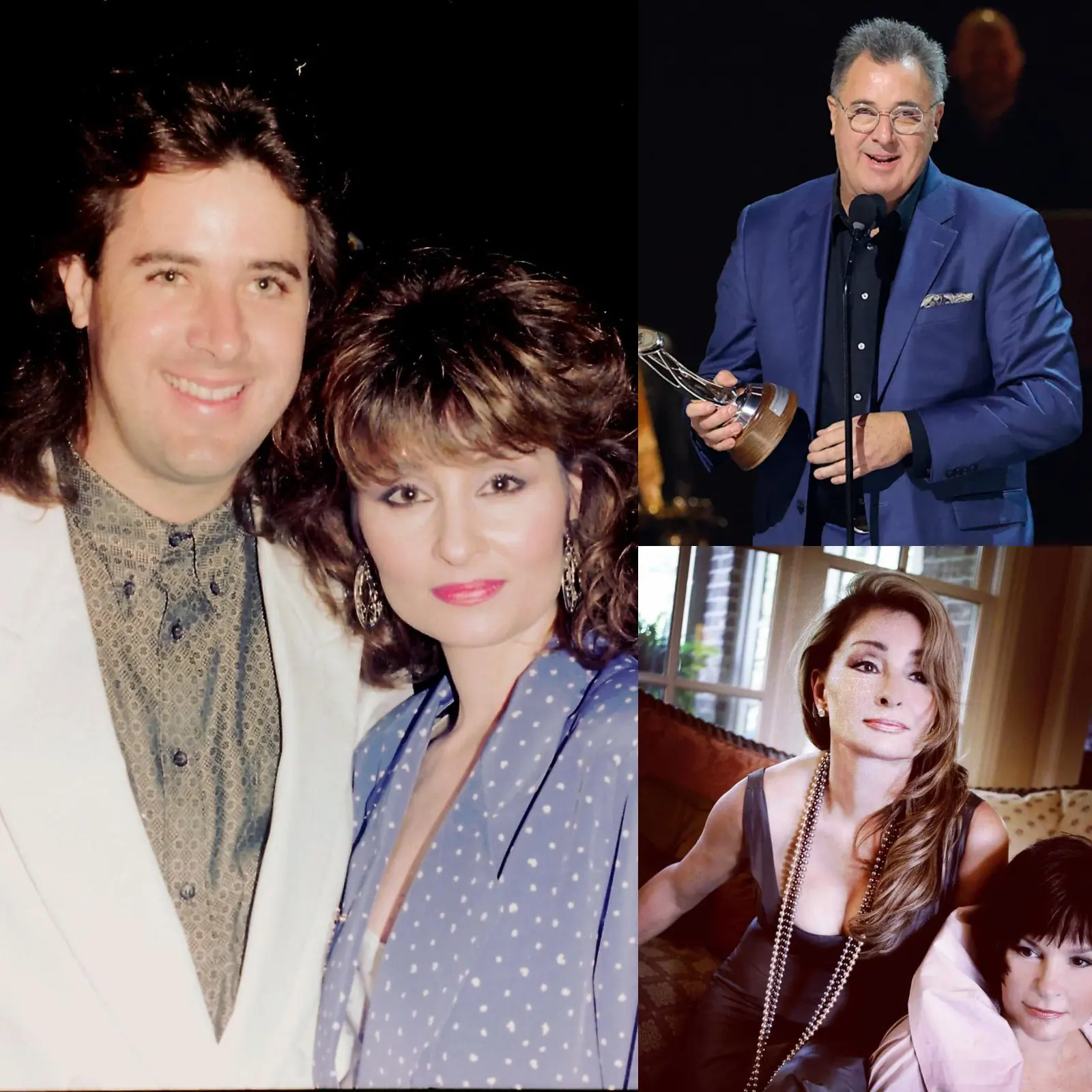
Released in June 1992 as the first single from the album of the same name, “I Still Believe in You” became Gill’s first No. 1 country single. The album went on to become a defining commercial breakthrough, producing four No. 1 singles and eventually earning five-times-platinum certification.
The song also earned major recognition from Gill’s peers. Gill and Jarvis won the Grammy Award for Best Country Song at the 1993 ceremony, turning a writing session rooted in marital tension into an achievement celebrated at the highest level of the music industry.
Yet the reason the song endured was never simply the awards.
Listeners recognized themselves inside it.
Anyone who has spent too much time working, chasing a goal or assuming someone they love will always understand can hear the uncomfortable truth at the center of “I Still Believe in You.” It is a song about realizing that love does not survive on good intentions alone. It requires attention, humility and the willingness to admit when ambition has taken more than it should.
Gill’s performance made that confession even harder to ignore. His high, aching tenor never sounded like someone delivering a clever lyric from a safe emotional distance. It sounded like someone asking for another chance.
That sincerity helped transform the track into a career-defining recording. The album that carried its name marked a major turning point for Gill, pushing him from respected country artist into a new level of commercial success. Apple Music has described the 1992 project as the record that cemented his status among country music’s elite.
More than three decades later, the story behind the song gives it another layer of meaning.
The marriage it emerged from would not ultimately last, but that does not make the emotion inside the song less real. If anything, it makes the recording feel even more human — a snapshot of one moment when a husband understood that the person he loved deserved more of him.
Vince Gill may have written “I Still Believe in You” hoping to repair something at home.
Instead, the song changed his career.
But underneath the No. 1 chart position, the platinum records and the Grammy, its message remains remarkably simple.
A man realized he had taken love for granted and tried to say the words that sometimes come hardest:
I’m sorry.
I still believe in us. ❤️🎶