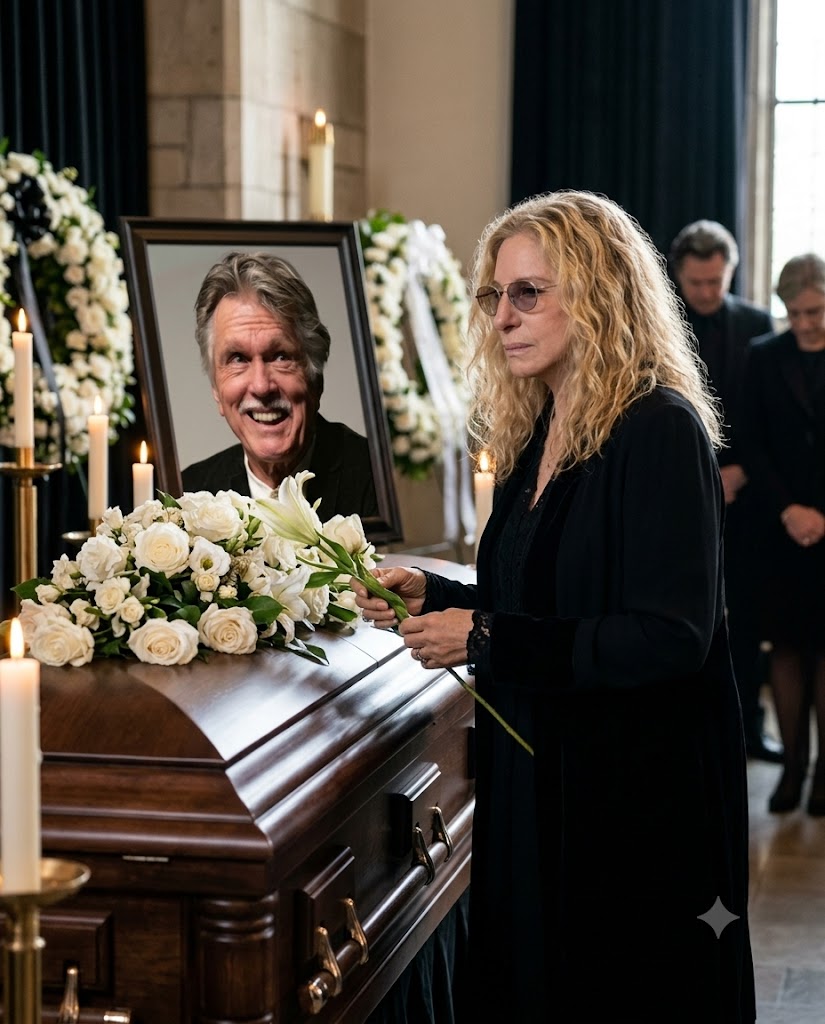
The Genesis of Grief: Keith Whitley’s Passing and an Unfinished Requiem

An Unfinished Requiem for a Fallen Contemporary
In May 1989, the country music community suffered a devastating blow with the premature death of Keith Whitley at age thirty-four. Devastated by the loss of his close peer and friend, Vince Gill immediately sought solace in songwriting, attempting to articulate the unbearable burden of earthly struggle and the promise of transcendent peace. Yet after composing the opening lines and the foundational structure of the chorus, the grief proved too immediate and overwhelming, rendering Gill unable to finish the piece. Recognizing that the emotional wound remained too raw to close with melody, he set the incomplete manuscript aside, where it sat in quiet abandonment for four years. During this prolonged interlude, the nascent composition remained a private, unresolved fragment, suspended between personal bereavement and creative paralysis.
A Brother’s Suffering and the Cathartic Breakthrough

Transforming Private Family Tragedy into Song
The catalyst that ultimately resurrected the dormant work arrived with another profound family tragedy just before Christmas in 1993. Gill’s older brother, Robert “Bob” Coen, passed away from a sudden heart attack at the age of forty-six. For twenty-five years preceding his death, Coen had endured severe physical and cognitive limitations following a catastrophic 1968 automobile accident. The loss enveloped the family in acute sorrow while simultaneously bringing a painful sense of mercy, knowing that Coen was finally liberated from a quarter-century of earthly affliction. Returning to the unfinished pages originally dedicated to Whitley, Gill channeled this complex convergence of grief and release directly into the guitar. The lyrical resolution crystallized around an eternal release from earthly pain, immortalized in Gill’s poignant lines:
“Go rest high on that mountain / Son, your work on earth is done”.
The finished work captured a dual eulogy, binding the memory of an extraordinary musical peer to the enduring spirit of a beloved brother.
| Chronological Milestone | Year | Historical and Cultural Context |
|---|---|---|
| Keith Whitley’s Passing | 1989 |
Initial composition begins following Whitley’s sudden death. |
| Bob Coen’s Death | 1993 |
Coen’s passing after 25 years of illness prompts completion. |
| Commercial Studio Release | 1994 |
Featured on When Love Finds You with Skaggs and Loveless. |
| Industry Recognition | 1995–1996 |
Wins Grammy for Best Country Song and CMA Song of the Year. |
| George Jones Memorial | 2013 |
Live Opry performance solidifies status as a universal farewell. |
Studio Collaboration and Cultural Canonization
The Grand Ole Opry Farewell and Enduring Resonance
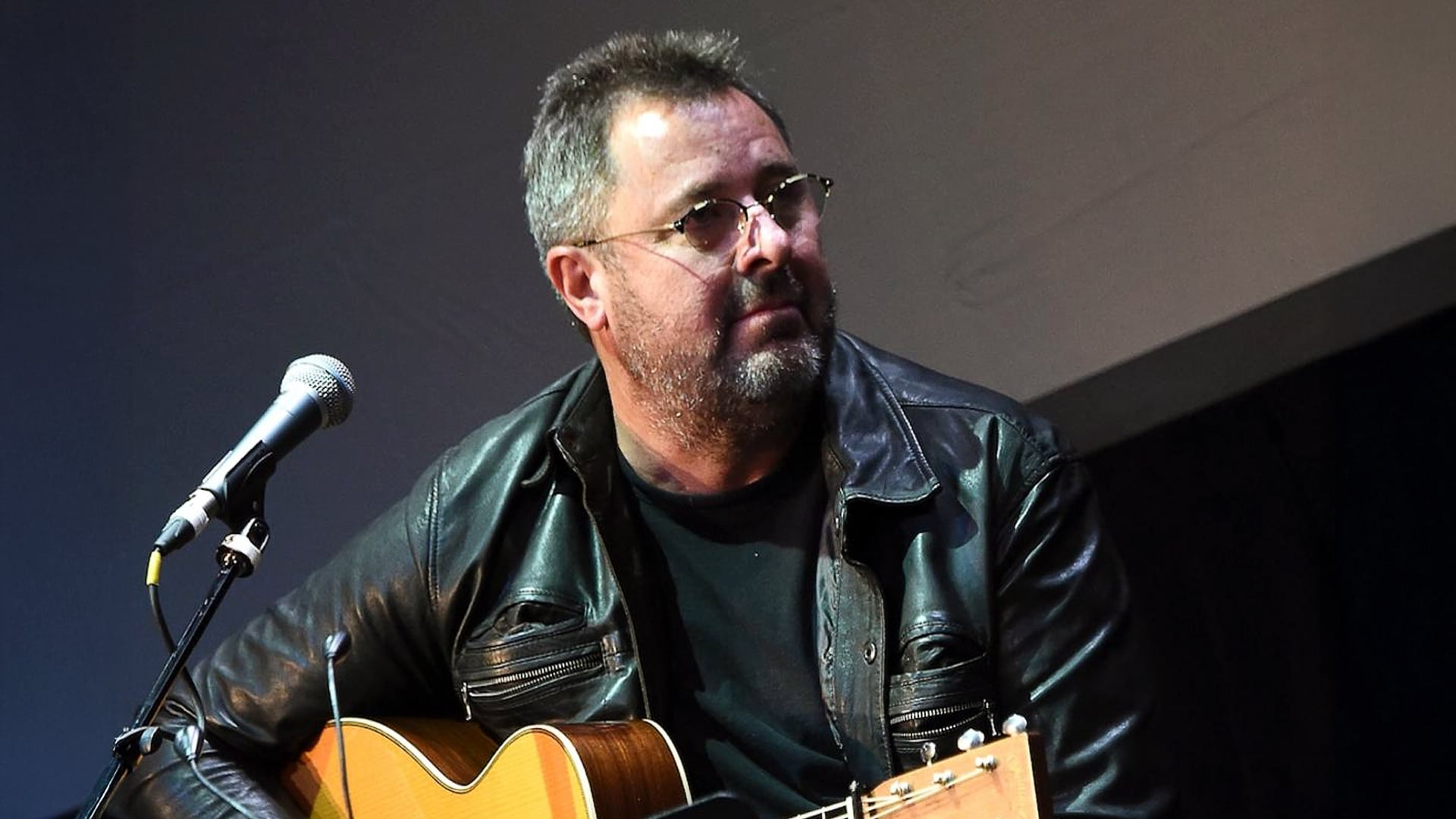
Gill recorded the composition for his 1994 studio album When Love Finds You, recruiting bluegrass luminaries Ricky Skaggs and Patty Loveless to contribute high lonesome vocal harmonies that lent the track a sacred, timeless dimension. The ballad resonated deeply across genre boundaries, securing the CMA Song of the Year honor and a Grammy Award for Best Country Song. At the 1996 CMA Awards ceremony, an overwhelmed Gill demonstrated the song’s persistent emotional toll, stating simply, “It’s still too hard to speak about it. Just thank you”. Decades later, its status as a communal anthem for mourning was indelibly captured during the 2013 Grand Ole Opry memorial service for George Jones. When Gill was overcome by tears mid-chorus, Loveless placed a comforting hand upon his shoulder and carried the vocal line while Gill flawlessly sustained the acoustic guitar performance.
The song stands as an enduring exploration of mortality, quiet faith, and the redemptive surrender of physical suffering. Gill later debuted an extended version incorporating a third verse to fulfill his artistic vision of spiritual redemption. Listeners seeking the complete licensed text can find the full lyrics by searching for the song on Google. Through its transcendent blend of personal intimacy and universal catharsis, the ballad endures as a lasting testament to the healing power of American roots music.