An Emotional Story Spreads at Lightning Speed

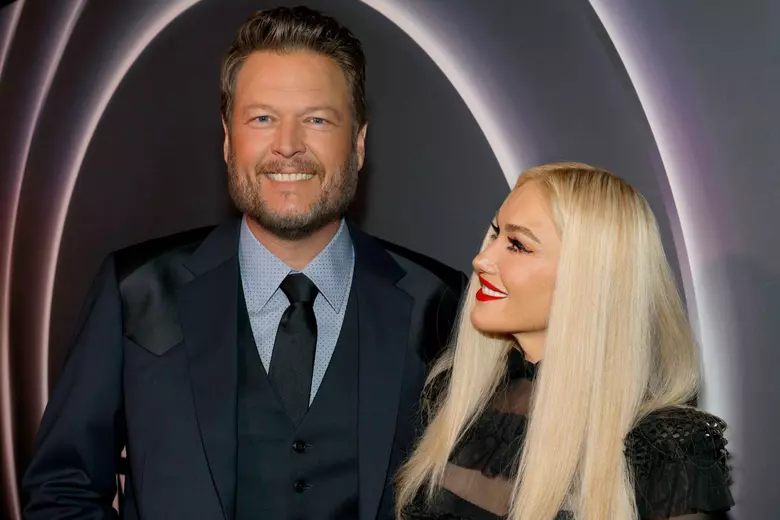
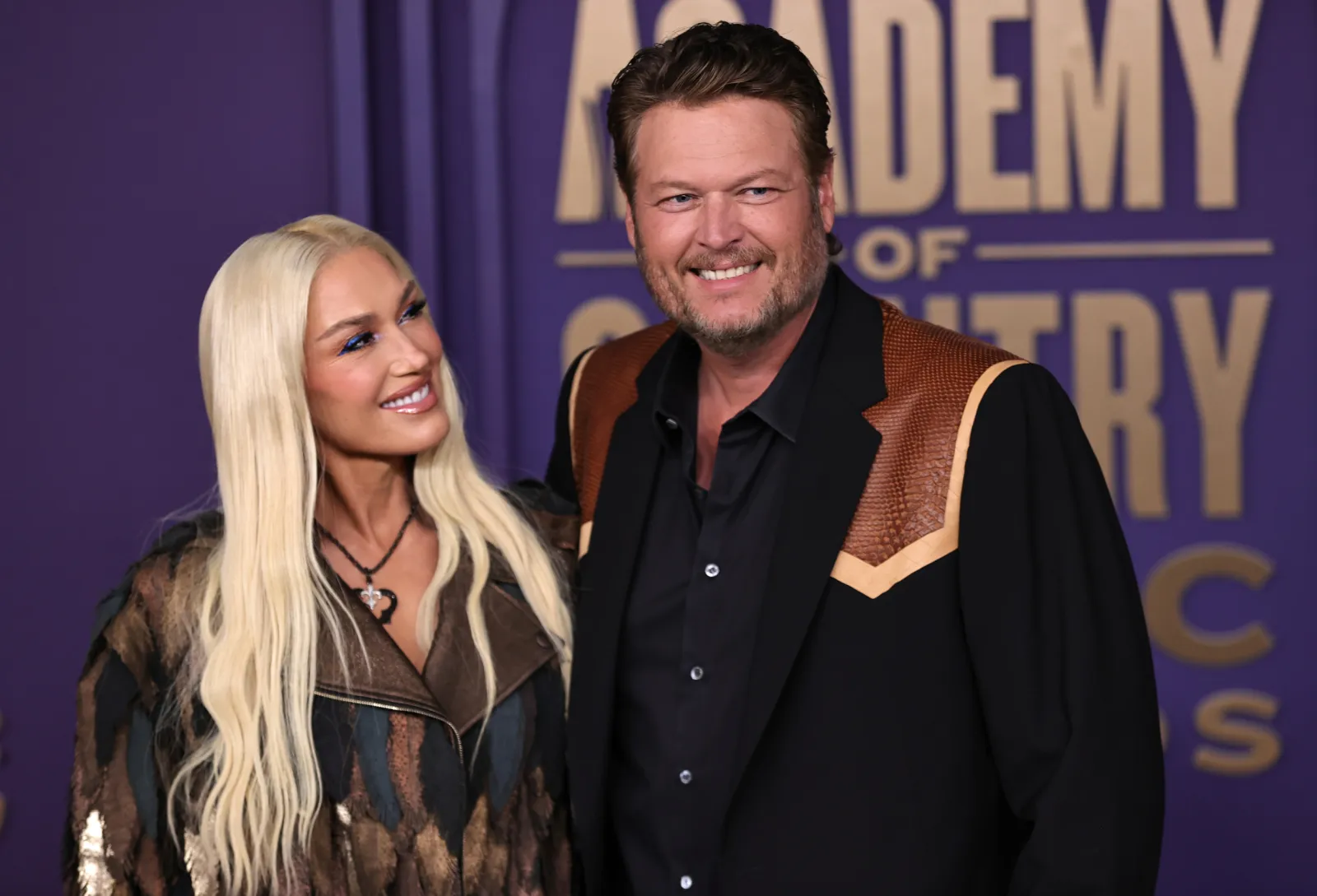
In recent days, social media has been flooded with a highly emotional post labeled a “bombshell”: a claim that Blake Shelton secretly flew to Texas to adopt a 6-year-old girl orphaned by the July floods. The story is told like a movie scene — a damaged orphanage surrounded by debris, no cameras, no reporters, only the smell of wet earth and broken fans. Shelton, usually known for humor and big stages, is portrayed standing before a child who had lost everything, delivering the line that stopped readers cold: “If that little girl has no one, then she has me.”
The post pushes the emotion further with a scene of the child wrapping her arms around him, Shelton kneeling to whisper, “You’re safe now, little angel.” It ends with a promised “twist” and an invitation to read more in the comments. Unsurprisingly, the story spread rapidly, shared as a symbol of hope amid disaster.
Why Stories Like This Go Viral So Easily
The structure is familiar and effective: a dramatic opening, a real-world tragedy, a famous name acting in quiet heroism, a powerful quote, and a cliffhanger directing readers to the comments. It taps into a very human desire — in the middle of constant bad news, people want to believe in a moment of pure kindness that restores faith.
Attaching the name of a celebrity like Blake Shelton also adds perceived credibility. Many assume that someone with wealth and influence could easily perform such an act. But that same assumption makes these stories easy to fabricate — all it takes is the right setting and the right emotional cues before people share without pausing to verify.
The Overlooked Reality: Adoption Is a Serious Legal Claim
Adopting a child is not something that happens quietly during a single visit, nor is it a detail that can be casually confirmed through a viral post. In the United States, adoption involves extensive legal processes, background checks, court approval, and strict protections around a child’s privacy. Any claim that a specific individual “adopted” a child is a major assertion that requires reliable, verifiable evidence.
In this case, no credible news outlets, official statements, or adoption agencies have confirmed such an event involving Blake Shelton. Fact-checking groups and observers have noted that similar versions of this story have circulated after the July Texas floods — sometimes naming Blake Shelton, sometimes other country stars — but none have been supported by trustworthy sources.
Why This Kind of Story Can Be Harmful
The problem is not that people want to spread kindness. The problem is that fabricated stories can have real negative consequences:
-
They divert attention from legitimate relief efforts that actually need public support.
-
They fuel chains of misinformation, making future false stories easier to believe.
-
They violate children’s privacy by inventing identities, ages, and circumstances.
-
They create unrealistic expectations, suggesting a single celebrity gesture can replace long-term social and institutional support.
From a media perspective, these posts are often optimized for engagement. The stronger the emotional reaction — tears, shock, admiration — the further the story travels.
How Readers Can Respond More Thoughtfully
There is no need to become cynical about every uplifting story. But a simple rule helps: the bigger the claim, the stronger the evidence should be. If a post makes a serious assertion — such as a celebrity adopting an orphaned child — yet provides no reputable sources and funnels readers toward “details in the comments,” skepticism is warranted.
For those moved by the story and wanting to help, the most effective response is to channel emotion into real action: supporting verified flood-relief organizations, child-welfare groups, or local charities assisting families affected by the disaster. That is where help makes a measurable difference.
Conclusion: A Story People Want to Believe — But Kindness Must Be Grounded in Truth
The viral claim that Blake Shelton quietly adopted a flood-orphaned girl is written to be emotionally compelling, but available evidence indicates it belongs to a broader pattern of unverified stories that emerge after major tragedies.
In moments of collective grief, fictional “miracles” can feel comforting. But real compassion is sustained through accurate information, respect for those affected, and support that reaches the right places. Sometimes, the most responsible way to protect kindness is to pause, verify — and then help in ways that are real.