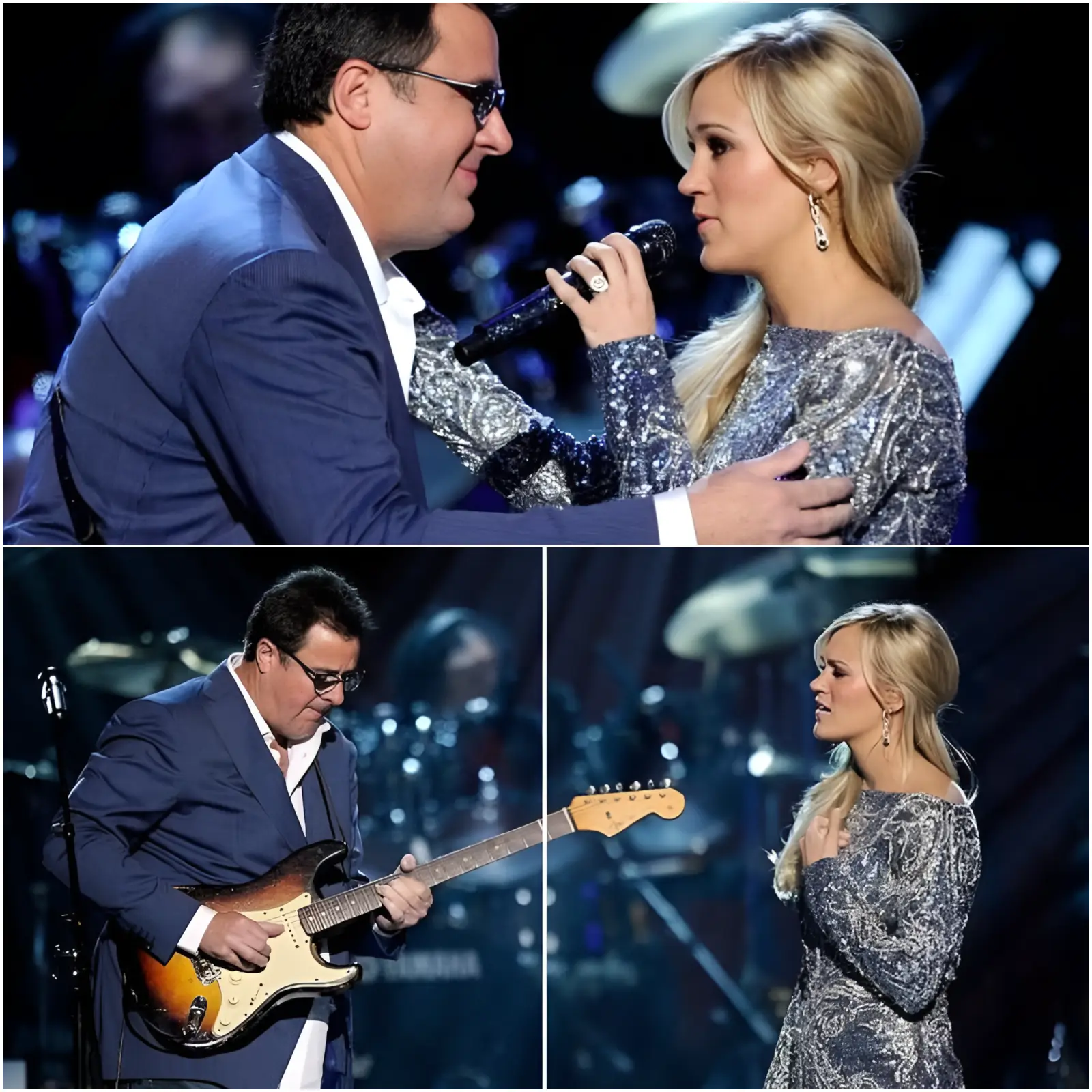
Two unmistakable voices, each with a musical world of its own, found something extraordinary together. When Barry Gibb collaborated with Barbra Streisand on Guilty, the result gave listeners a different setting for a voice they already loved. Her emotional precision met his melodic instincts and distinctive harmonies, creating a partnership whose appeal has survived decades. The decision to bring those strengths together became a defining creative opportunity—one that still rewards anyone who returns to the recordings and listens closely.

Released in September 1980, Guilty brought their collaboration to an international audience, with “Woman in Love” and the title-track duet among its signature recordings. Streisand’s official album history documents the collection’s worldwide success. Yet its lasting fascination extends beyond commercial achievement. The record captures the excitement of an established artist entering a musical environment that offered fresh possibilities, while remaining recognizably herself throughout the experience. www.barbrastreisand.com

The boldness lay in the combination. Streisand’s singing can make a lyric feel like a carefully unfolding thought, with each phrase shaped around an emotional intention. Gibb’s musical contribution brought a complementary sense of movement and warmth. Hearing those qualities interact is part of the pleasure: the arrangement supports her individuality while allowing the collaboration to develop its own identity. Listeners receive both the reassurance of a familiar voice and the excitement of hearing it differently.
On the duet “Guilty,” their contrasting vocal textures become central to that identity. Streisand’s clear, expressive delivery and Gibb’s distinctive tone create an exchange that feels conversational within a polished recording. A successful duet requires attention as well as ability. Each singer must leave room for the other, allowing individual phrases to contribute to a shared mood. Their interaction gives the song its intimacy, inviting listeners into a musical relationship rather than simply presenting two famous names together.

“Woman in Love” offers another perspective on the partnership’s appeal. With Streisand carrying the vocal, the emotional focus rests on her ability to make longing feel immediate. The song’s melodic sweep gives her room to build intensity, while its personal perspective keeps that intensity connected to an understandable feeling. Listeners do not need to know anything about the recording process to recognize the experience being expressed. That accessibility helps a song travel beyond its original moment.
For fans, the music has also collected meanings its creators could never have planned. An album playing in a family home can become part of childhood. A favorite song can recall a friendship, a romance, or a difficult goodbye. Years later, the opening notes may restore the atmosphere of that earlier life with surprising clarity. The enduring response to Guilty belongs partly to those private associations, where a successful recording becomes something more personal than its place in music history.
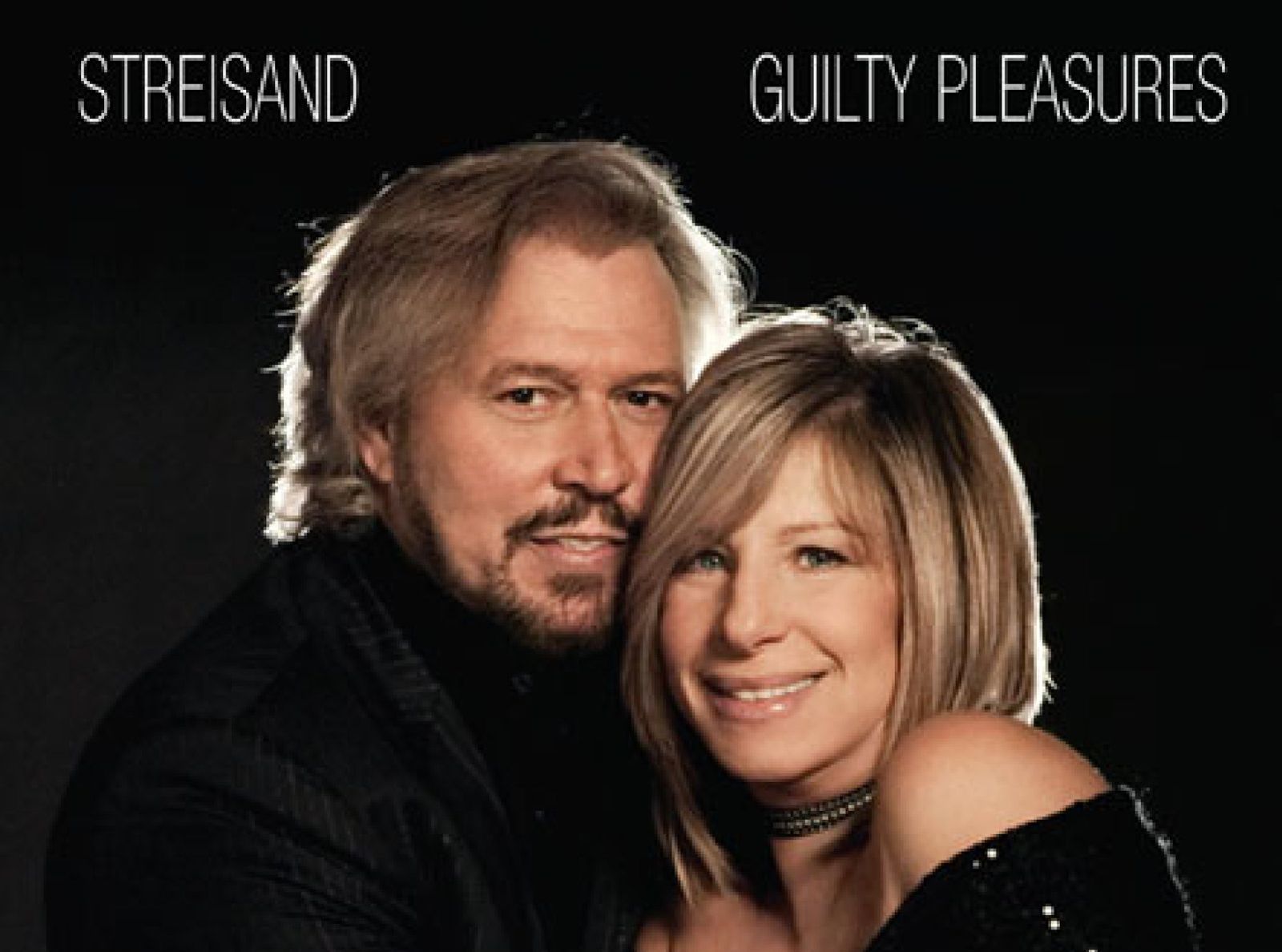
Their reunion for Guilty Pleasures in 2005 extended the story across 25 years. Streisand’s official description presented the album as a return to her collaboration with Gibb, giving audiences another opportunity to hear the partnership develop. The interval added significance for listeners who had grown older alongside the earlier music. Familiar creative chemistry could be encountered again, carrying memories while offering another collection of songs to discover. www.barbrastreisand.com
That is the most compelling meaning of the decision that brought them together: the willingness to explore what another artist might make possible. Their collaboration demonstrates how a distinctive voice can retain its character while finding fresh expression through someone else’s musical imagination. Return to “Guilty” or “Woman in Love,” and listen for that balance between confidence and openness. Decades later, the reward remains in the music itself—the phrasing, the melodies, and the feeling of two exceptional talents finding common ground. What began as a creative partnership continues as a shared memory, renewed every time someone presses play and hears something they still love.