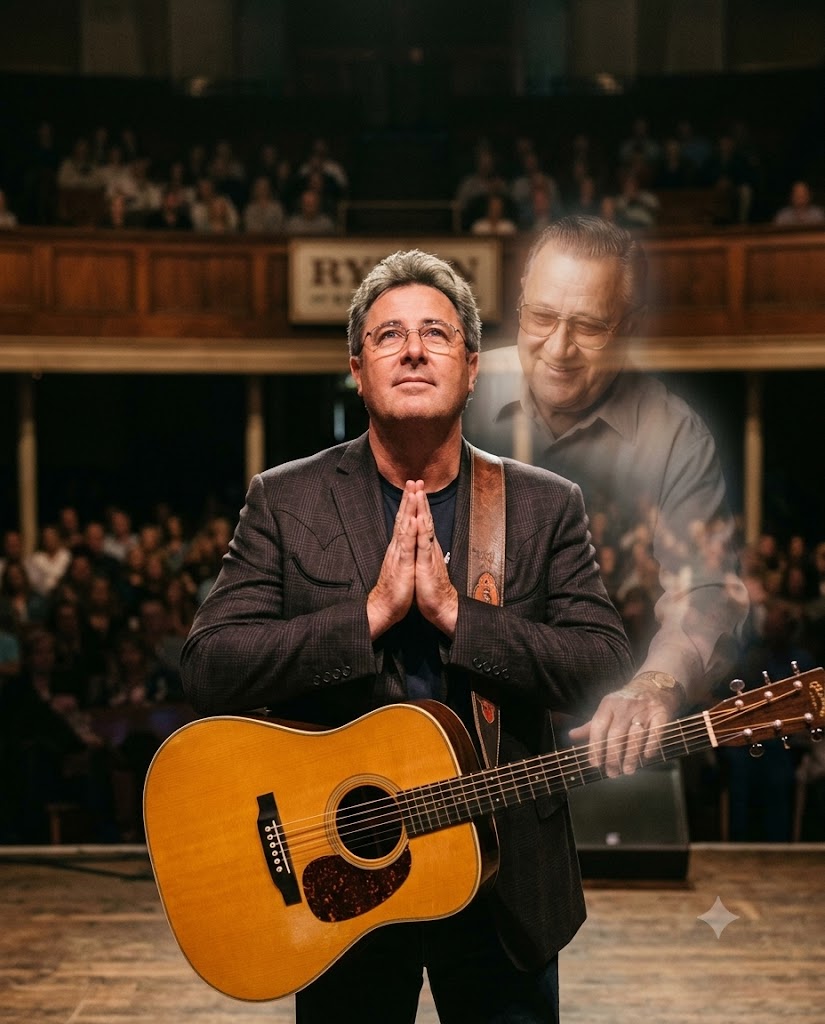
Long before John Prine became one of America’s most revered songwriters, Bonnie Raitt was hearing whispers about a remarkable young man coming out of Chicago. He had worked as a mailman, served in the Army and carried Kentucky roots through his family, yet somehow seemed able to turn the lives of ordinary people into unforgettable songs. By the time his self-titled debut arrived in 1971, the secret was spreading. The record contained “Sam Stone,” “Hello in There,” “Paradise” and “Angel From Montgomery” — songs that sounded less like a young writer trying to impress an audience than someone quietly revealing truths everyone else had overlooked.

For Bonnie, hearing Prine’s songs was a revelation. She later spoke about being deeply moved by his ability to enter lives far removed from his own, especially the middle-aged woman at the center of “Angel From Montgomery.” What stunned her was not simply the cleverness of the writing but the compassion inside it — a young man somehow understanding loneliness, marriage, aging and the desperate wish to escape a life that had grown too small. “Every song a masterpiece” became the perfect way to describe the impression his first album made on those who encountered it, and Bonnie quickly wanted to know more about the quiet former mailman capable of writing with such astonishing emotional maturity.

Prine’s rise was already becoming the kind of story musicians would repeat for decades. His friend Steve Goodman relentlessly championed his talent and helped bring him to the attention of Kris Kristofferson. Prine eventually appeared at New York’s Bitter End, where Atlantic Records executive Jerry Wexler heard him and offered him a recording contract. Bonnie, meanwhile, was building her own career in that same intimate folk-and-blues world, appearing at places such as New York’s Gaslight Cafe before releasing her first album in 1971. Their paths soon crossed, and what began as admiration became one of American roots music’s most enduring friendships.

Those early years were filled with the kind of adventures that become more precious once everyone involved realizes how quickly youth disappears. There were shared gigs, festivals, late nights, backstage conversations and guitars passed from one musician to another when the official show was already over. Steve Goodman was an essential part of that world, both as Prine’s friend and as a gifted songwriter whose enormous personality helped connect people. Manager Al Bunetta became another central figure, standing beside Prine through years when the music business did not always understand what it had. Later, Prine and Bunetta helped establish Oh Boy Records, giving John control over his work when major-label expectations no longer fit the artist he wanted to be.
For Bonnie, these people were never simply names in John Prine’s biography. They belonged to a time when careers were being invented in real time and nobody knew which songs would still matter fifty years later. Her connection with Prine only deepened after she recorded “Angel From Montgomery” on her 1974 album Streetlights. The song became inseparable from Raitt’s own voice, and she and John would return to it together repeatedly over the decades. One celebrated live duet from 1985 was later included on a tribute connected with Steve Goodman, beautifully linking three friends whose lives had become intertwined through music.
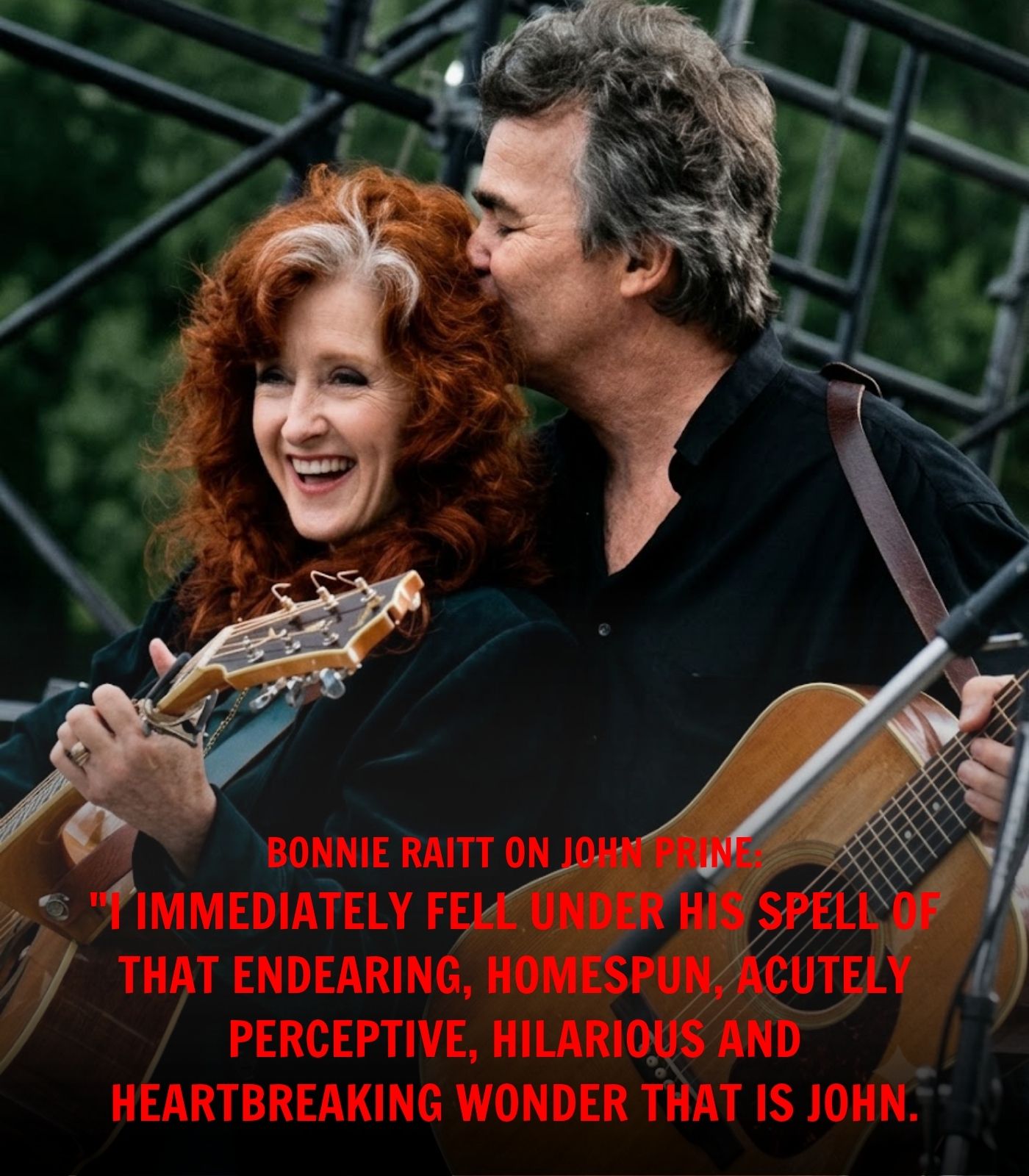
Years later, Raitt said “Angel From Montgomery” might mean more to her and her fans than almost anything else she had recorded. That feeling went far beyond the song itself. Every time Bonnie and John performed together, there was a glimpse of those young musicians who had discovered one another before awards, Hall of Fame honors and decades of acclaim changed the scale of their lives.
When Prine died in 2020, Bonnie lost far more than a songwriter she admired. She lost a friend whose music had stopped her in her tracks nearly half a century earlier. Before the Grammys and the reverence, there had simply been small clubs, great songs, laughter and a circle of friends who recognized something extraordinary in one another before the rest of the world understood.
And somewhere inside “Angel From Montgomery,” those early days are still alive.