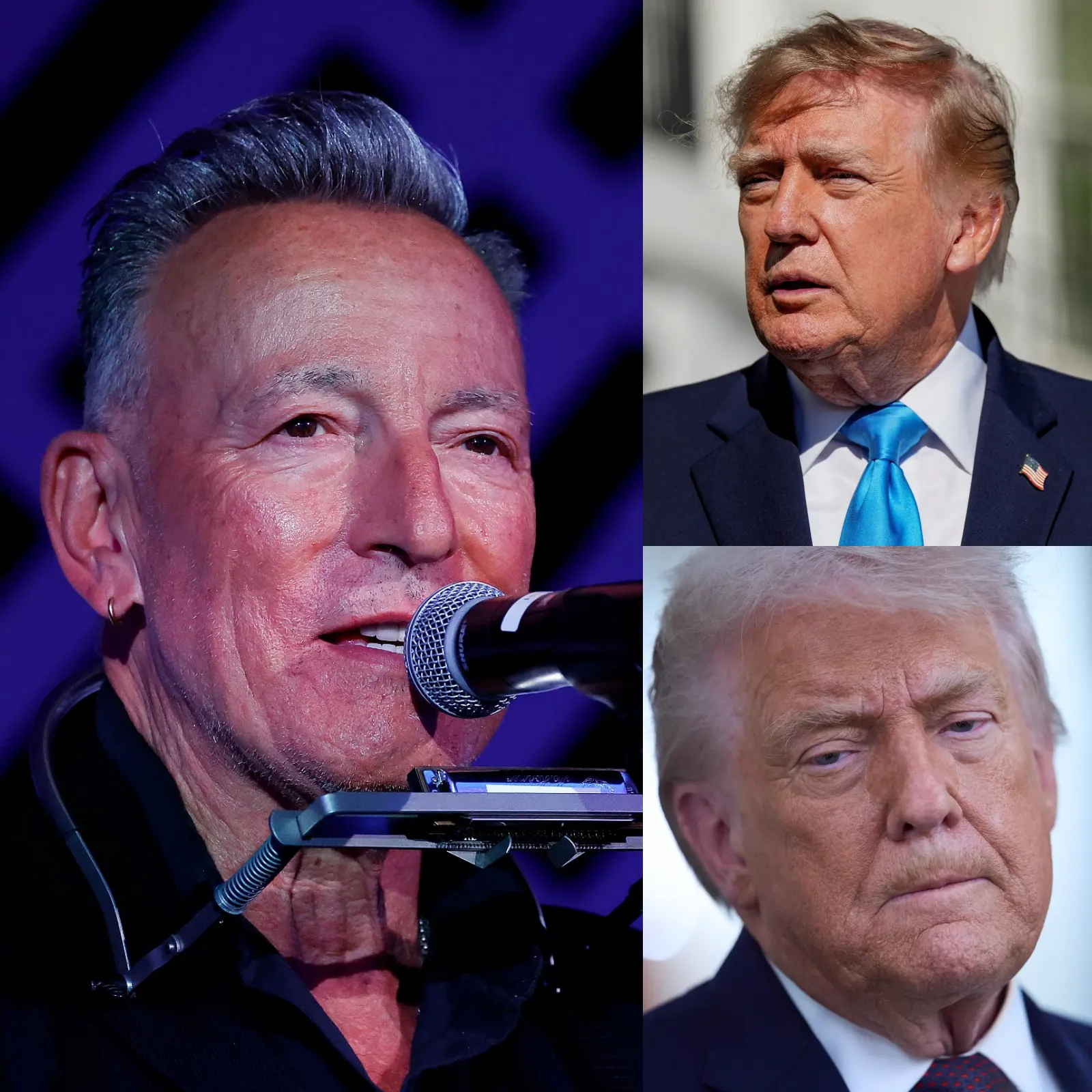
Bruce Springsteen and Donald Trump have spent more than a year locked in one of America’s most visible collisions between politics and popular music, but a dramatic version of their feud circulating online appears to mix real tension with words neither man has been documented saying. There is no reliable evidence that Trump called Springsteen an “offender of Jesus,” nor that Springsteen delivered the quoted response about Jesus walking with “the hurting, the broken, the overlooked.” What is documented, however, is an exchange almost as revealing: Trump repeatedly attacked Springsteen personally, while Springsteen answered by talking about truth, compassion, character and the kind of country Americans want to leave behind.
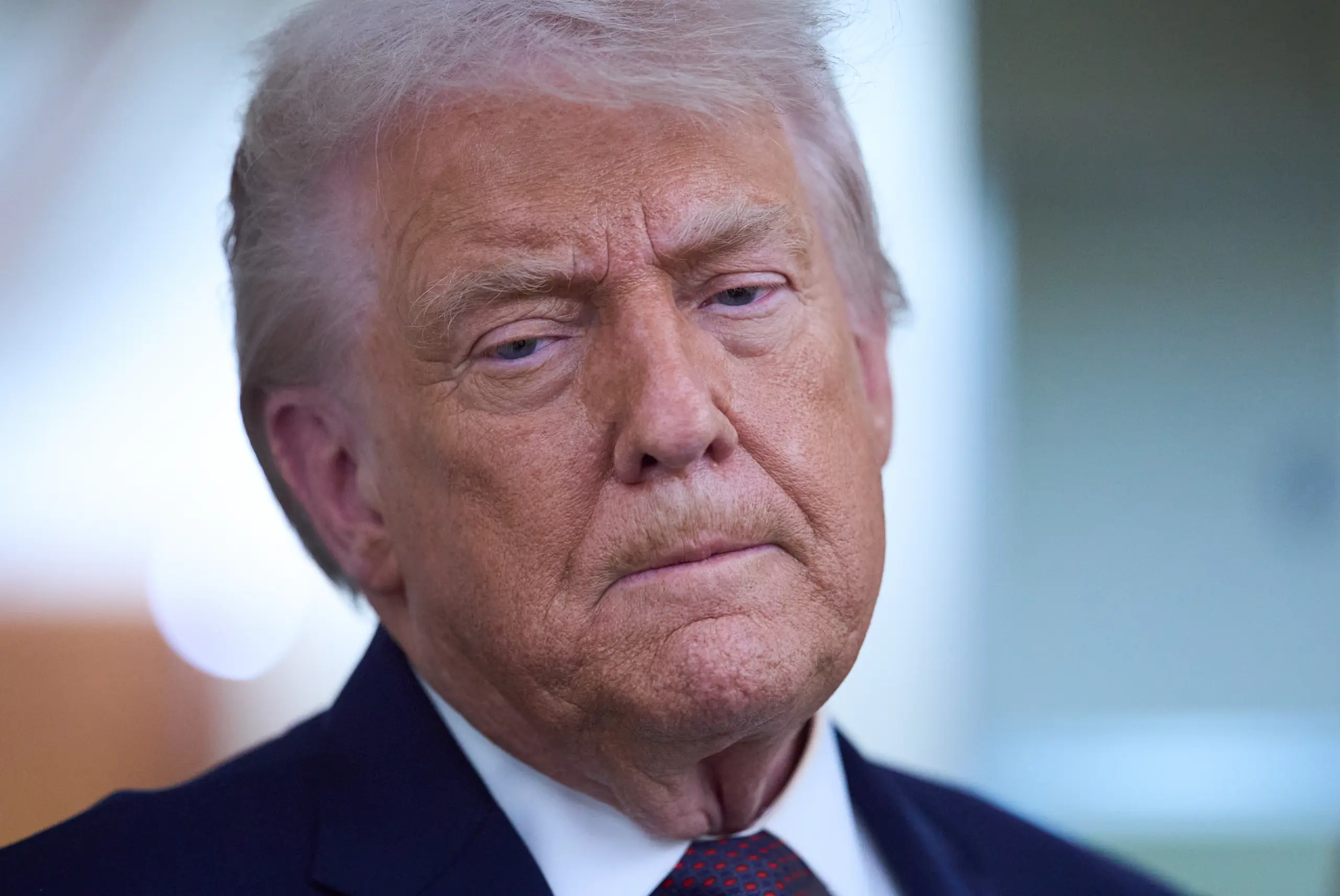
The confrontation erupted publicly in May 2025, when Springsteen opened his European tour in Manchester with sharp criticism of the Trump administration. He called the administration “corrupt, incompetent and treasonous” and accused it of undermining democratic norms and free speech. Trump responded on Truth Social with insults, calling Springsteen a “dried out ‘prune’ of a rocker,” an “obnoxious JERK,” “highly overrated” and “dumb as a rock,” while telling him to “KEEP HIS MOUTH SHUT” until he returned to the United States.
The dispute did not fade.
In April 2026, after Springsteen again criticized the administration during the opening of his American tour, Trump called him a “total loser,” repeated the “dried up prune” insult and urged supporters to boycott Springsteen’s concerts. Springsteen, meanwhile, continued turning portions of the Land of Hope and Dreams tour into political commentary, addressing immigration enforcement, civil rights, foreign policy and what he described as threats to American democratic values.

But some of Springsteen’s most revealing words were not personal insults aimed back at Trump.
During a May 2026 concert in Boston, he spoke about qualities he believed should still matter in American public life, listing “honesty,” “honor,” “humility,” “character,” “integrity,” “truth,” “compassion,” “humanity,” “thoughtfulness,” “morality,” “true strength” and “decency.” He told the audience not to accept the idea that those values had somehow become irrelevant because, in his view, they remain central to the kind of people, citizens and country Americans choose to become.
That message comes much closer to the real heart of the Springsteen-Trump argument than the viral religious quotes.

For Springsteen, politics has rarely been separate from the human stories inside his music. Long before Trump entered national politics, songs such as “Born in the U.S.A.,” “The Ghost of Tom Joad” and “American Skin (41 Shots)” examined veterans, workers, poverty, policing and people living at the edges of American prosperity.
His supporters therefore see the speeches as an extension of themes he has explored for decades.
Critics see something different. They argue that concertgoers may come to hear music rather than a political address and that a wealthy celebrity criticizing an elected president from a concert stage carries its own contradictions. Trump and his allies have embraced that argument aggressively, portraying Springsteen as an out-of-touch celebrity activist rather than merely a musician expressing a citizen’s political views.
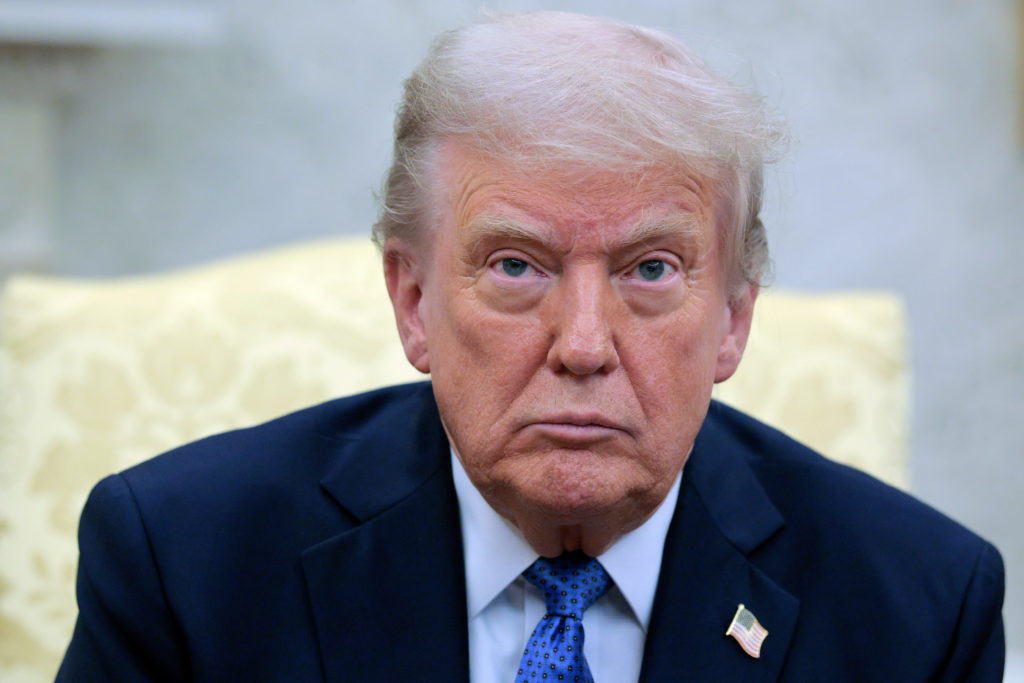
Springsteen clearly does not believe fame requires silence.
During his 2026 Washington concert, he told an audience that if they felt helpless, frustrated or angry, he understood, and said the band had come to the capital partly to feel the crowd’s “strength,” “hope” and “faith.” The tour itself became an explicitly political project, and the October Power to the People festival in Maryland continued that theme with artists, voting organizations and civic groups gathered around ideas of participation and protest.
So the real story does not need an invented confrontation about Jesus to be powerful.
Trump has attacked Springsteen.
Springsteen has answered.
And underneath all the insults sits a much older American argument about art, politics and whether musicians should use enormous platforms to challenge those in power.
Springsteen’s documented answer is already clear: compassion, humanity, character and truth still matter to him, and he intends to keep saying so from the stage.
People are free to applaud, disagree or wish he would simply sing.
But at 77, Bruce Springsteen appears equally convinced of one thing: having a microphone means little if you are unwilling to use your own voice. 🎸