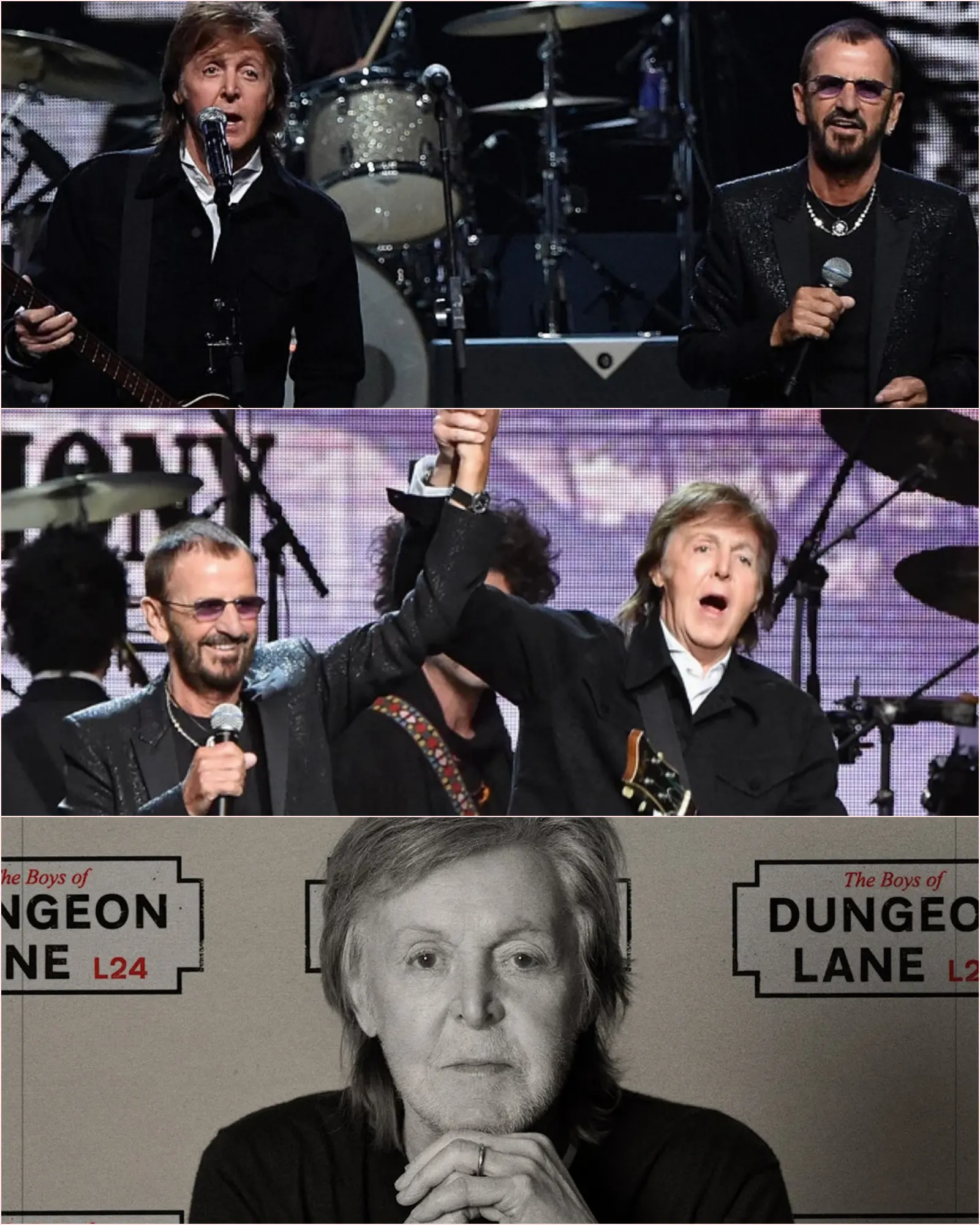
Paul McCartney has never been only a songwriter. He has been a keeper of memory, a man whose melodies have carried childhood, grief, friendship, love, loss, and the strange ache of looking back at a world that no longer exists. With The Boys of Dungeon Lane, his first major solo studio album in more than five years, McCartney does not simply return with new music. He walks back into the streets, rooms, bus rides, and early dreams that made The Beatles possible.
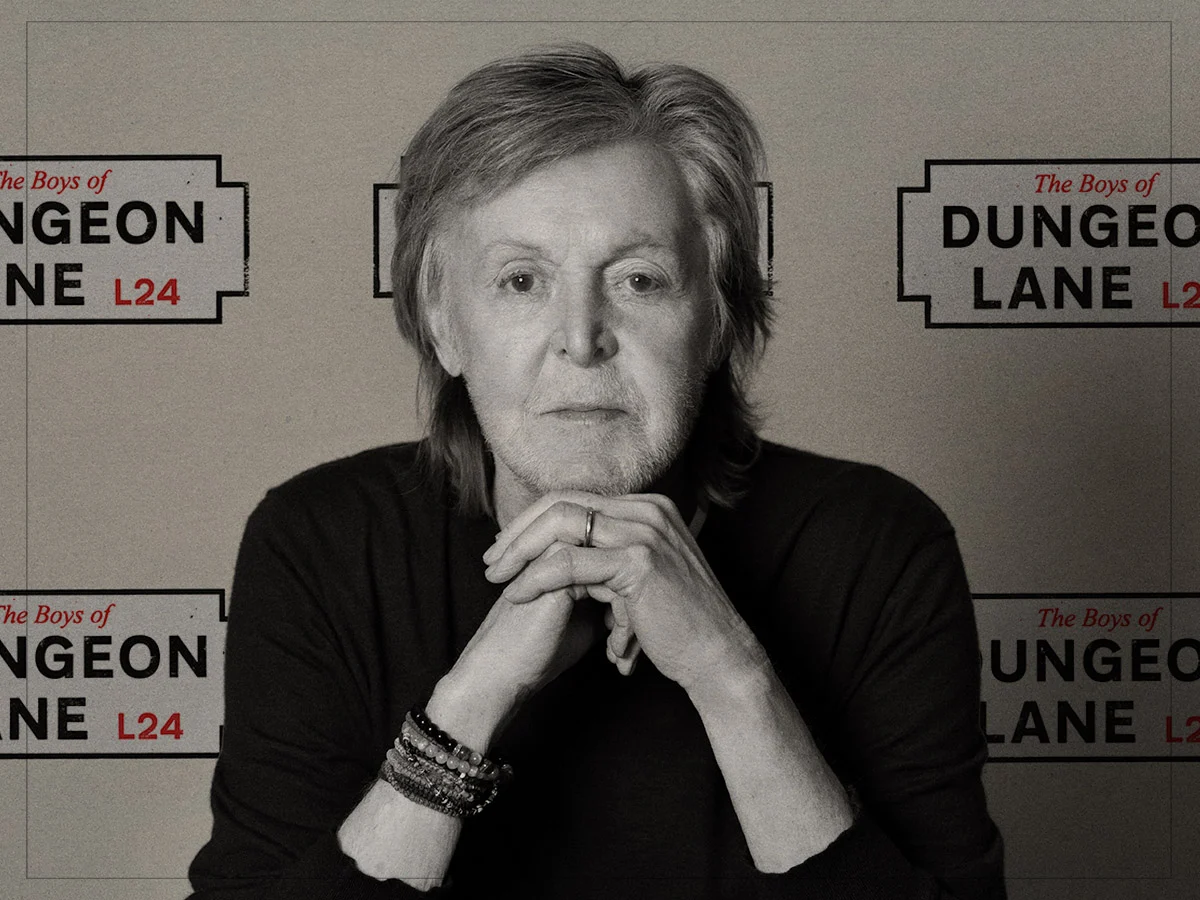
The album has already sparked emotional reaction from critics and longtime fans, with several reviews describing it as one of McCartney’s most personal late-career works. At 83, he is no longer writing from the urgency of youth, but from the rare perspective of someone who helped change modern music and has lived long enough to revisit the beginning with tenderness rather than myth. The Guardian described the album as rooted in childhood, Liverpool memories, family struggle, and reflections on time, while AP called it a nostalgic work built around remembrance rather than reinvention.

What makes The Boys of Dungeon Lane so affecting is not only that McCartney is looking back. It is where he is looking. The album reaches toward Liverpool before the screams, before the stadiums, before the world knew the names John, Paul, George, and Ringo as something almost larger than life. It returns to small rooms, ordinary streets, young friendships, and the private memories that existed before history began calling them legends. For fans, that is what makes the record feel less like nostalgia and more like a door opening.
Songs such as “Days We Left Behind” and “Down South” have been singled out for the way they summon early life and old companionship. Critics have noted that “Down South” includes memories tied to George Harrison, including youthful journeys and the kind of friendship that existed before fame made everything complicated. In those moments, McCartney is not polishing Beatles history into a museum piece. He is touching it carefully, as if memory itself might break if handled too loudly.

Then comes the moment Beatles fans never expected to feel this deeply again: Ringo Starr joining Paul on “Home to Us.” The track has been described as a full duet between the two surviving Beatles, with Ringo contributing drums and vocals. On paper, that is a historic collaboration. In the heart, it feels like something more intimate: two old friends looking back at the same vanished world from different corners of survival.
That is why “Home to Us” is already becoming the emotional center of the album for many listeners. It is not simply the thrill of hearing Paul and Ringo together again. It is the weight of what their voices now carry. John Lennon is gone. George Harrison is gone. The Liverpool boys who once imagined the future together are now part of the deepest mythology in popular music. And yet here are Paul and Ringo, still here, still making music, still able to turn memory into a living sound.

The production by Andrew Watt gives the album a modern frame without burying McCartney’s voice beneath unnecessary polish. Reviewers have noted that the record does not chase youth or contemporary trends. Instead, it lets McCartney’s late-life voice carry the emotional truth of the material. The cracks, softness, and age in that voice are not flaws here. They are part of the story. They remind listeners that time has passed, and that the man singing is not trying to escape it.
For Beatles fans, The Boys of Dungeon Lane does not feel like a simple new album cycle. It feels like Paul McCartney placing his hand on the past and saying, gently, “This is where it began.” Liverpool streets. Old buses. Parents. Friends. First songs. The rooms where two young men, Paul and John Lennon, first began imagining sounds that would later change the world.
One song may be leaving listeners in tears, but the entire album seems built around the same truth: memory does not disappear when people are gone. It waits inside songs.
And Paul McCartney, after all these years, still knows how to open the door.