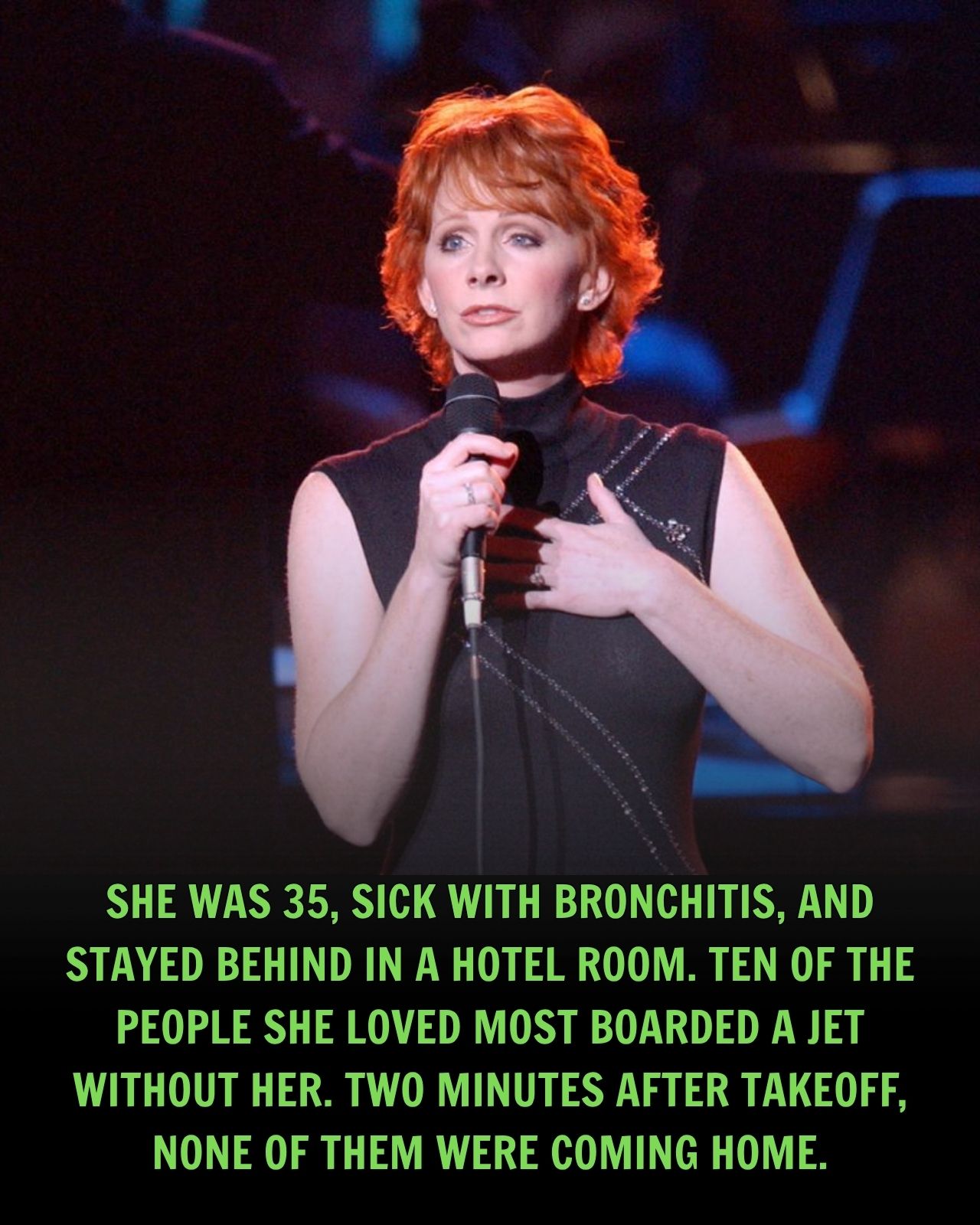
On March 16, 1991, Reba McEntire was 35 years old, exhausted from bronchitis and resting in a San Diego hotel after a private show. Her band and crew had already boarded a chartered jet, while Reba, her then-husband and manager Narvel Blackstock, and her stylist planned to leave separately the following day. Then, in the middle of the night, the phone rang. Within minutes, the life she knew as a touring artist had been split into a before and an after.

The aircraft carrying members of her road family struck Otay Mountain shortly after takeoff. All 10 people aboard were killed, including pilots Donald Holmes and Christopher Hollinger and eight members of Reba’s band and crew: Chris Austin, Kirk Cappello, Joey Cigainero, Paula Kaye Evans, Jim Hammon, Terry Jackson, Tony Saputo and Michael Thomas. For Reba, they were not simply employees. They were the people who traveled beside her, stood behind her onstage, laughed with her and shared the strange intimacy that comes from building a life around music.
The shock was overwhelming. Reba later acknowledged that she did not know whether she would be able to continue performing. The stage that had always felt like home suddenly carried the absence of eight people who should have been there. Music had brought them together, but now every familiar sound reminded her of who was missing.
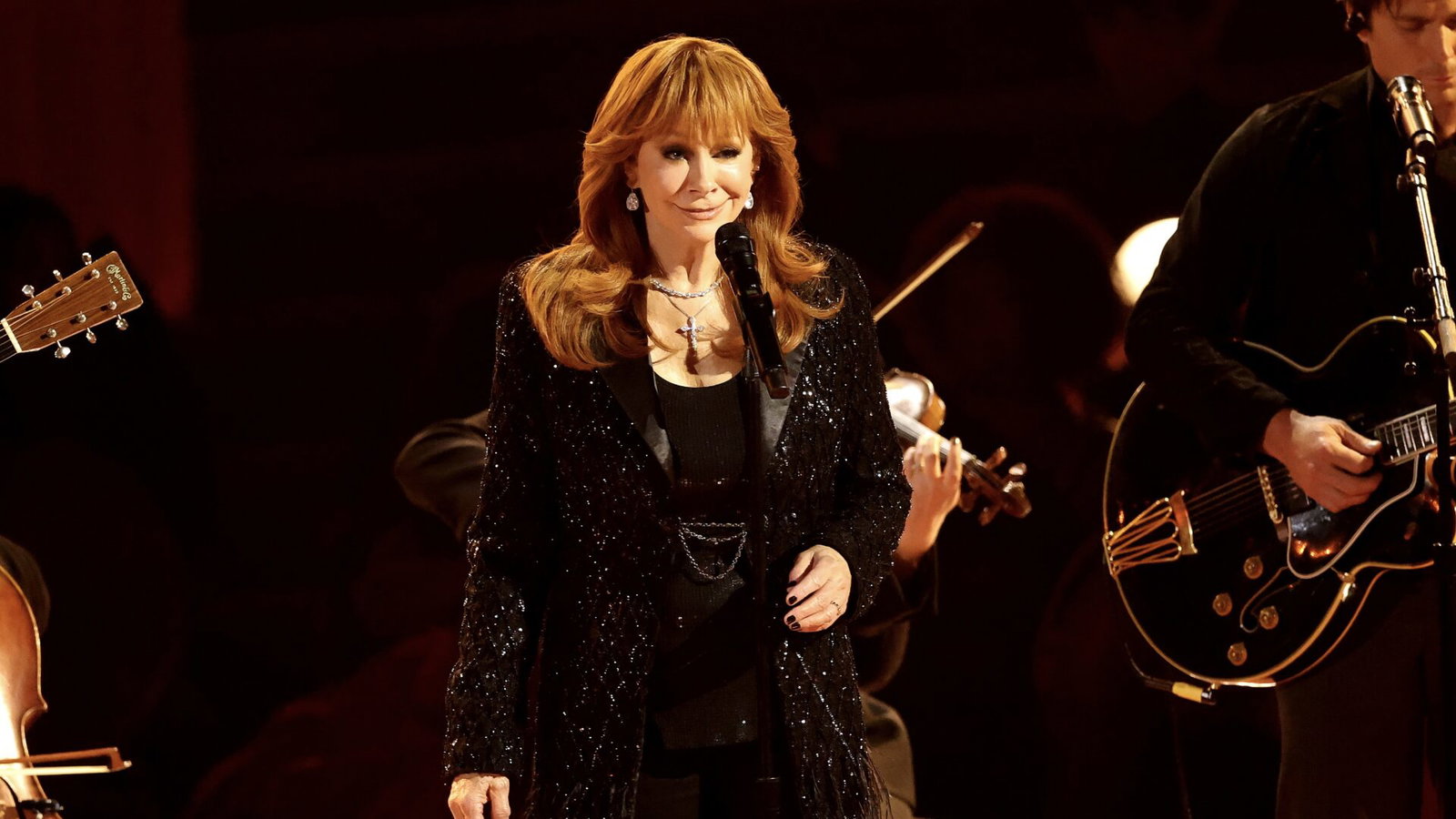
What happened next revealed another side of country music. While Reba struggled to imagine rebuilding, fellow artists reached toward her. Vince Gill called and offered his support. Dolly Parton went even further, telling Reba she could use her band if she needed musicians. Those gestures did not erase the grief, but they reminded her that she was not carrying it alone. Decades later, Reba still remembered how deeply it moved her to see people step forward when so many hearts were broken.
Eight months after the crash, that grief found its way into For My Broken Heart. Released in October 1991 and dedicated to the band and crew members who died, the album became the best-selling record of Reba’s career. Its songs carried loneliness, separation and the painful realization that the world keeps moving even when a person’s private world has stopped. The record became more than a commercial triumph. It was a document of survival, created by an artist trying to make sense of unimaginable loss through music.
Reba never allowed those eight names to disappear into the footnotes of her career. Through anniversaries, interviews and personal tributes, she continued to speak about them as friends rather than simply victims of a famous tragedy. On the 35th anniversary of the crash in March 2026, she honored them again by making a major gift to MusiCares, which supports music professionals and their families through medical, financial and personal crises. Reba said she hoped the donation would help other musicians and families when they needed support most.
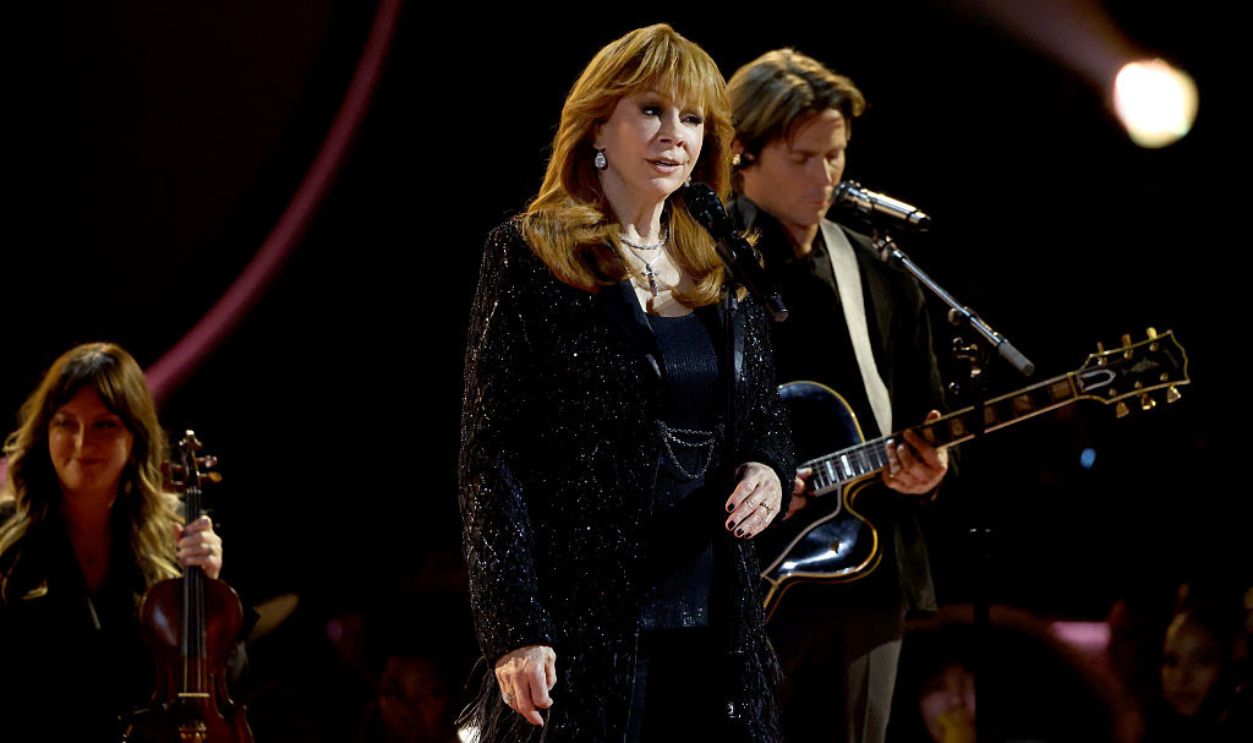
The gesture carried a quiet symmetry. Thirty-five years earlier, Reba had discovered how quickly a touring family could be shattered and how essential compassion became afterward. In 2026, she transformed that memory into help for people facing their own darkest chapters.
Now 71, Reba has lived more than half her life since that terrible night. She has continued recording, performing, acting and becoming one of country music’s most beloved figures. Yet success never erased March 16, 1991. If anything, the passing decades seem to have made her gratitude more deliberate.
The tragedy taught her something fame never could: every goodbye matters, every ordinary day is fragile, and the people beside us are never guaranteed another morning. Reba survived the darkest night of her career not by leaving those eight friends behind, but by carrying them forward. Every stage she stepped onto afterward became proof that grief and gratitude can exist together, and that sometimes continuing to sing is not a way of forgetting the people we lost.
It is a way of making sure they are still heard.