Barbra Streisand has spent more than six decades being watched, photographed, analyzed and celebrated, yet one of the most fascinating things about her extraordinary career is how much of the real story has remained in her own hands. Now, a major multi-part documentary currently in production is preparing to explore that story with unprecedented access to Streisand’s personal archives, raising an irresistible question for fans: after a lifetime of controlling what the world sees, what is Barbra finally ready to reveal?

The project was officially announced by Sony Music Vision in partnership with Columbia Records, Jigsaw Productions and The Kennedy/Marshall Company. Directed by acclaimed filmmaker Frank Marshall and produced by Oscar-winning documentarian Alex Gibney, the series has been granted access to hundreds of hours of never-before-seen videos, photographs, audio recordings and personal keepsakes Streisand has preserved throughout her career.
For an artist as famously meticulous as Barbra, that access is significant.
She has always understood that public narratives can flatten complicated lives. The world remembers the enormous voice, the Oscars, Grammys, Broadway triumphs and films such as Funny Girl, The Way We Were and Yentl. But those achievements came from a Brooklyn girl who grew up with loss, financial hardship and very little of the security people might assume eventually surrounds a superstar.
Her father died when she was still a child, leaving a wound that followed her into adulthood. She grew up feeling different and was repeatedly told that she did not possess the conventional beauty Hollywood expected from leading women. Instead of changing herself to fit the industry, Barbra turned those perceived disadvantages into part of her identity.

That refusal to conform may become one of the documentary’s most revealing themes.
Her battle to make Yentl offers a perfect example. Streisand recently recalled that she spent roughly 15 years trying to bring the project to the screen and that studio after studio rejected her ambitions to direct it. Eventually she succeeded, becoming one of the rare women of her era to direct, produce, co-write and star in a major Hollywood production.
Today, that story looks courageous. At the time, it was exhausting.

The documentary could also revisit the labels Barbra carried for decades. Male directors could be demanding and called brilliant. Streisand could demand the same precision and be called difficult. She has spoken openly about that double standard, particularly when discussing the perfectionism that shaped her work. Her 2023 memoir My Name Is Barbra already explored her early struggles, relationships, marriages and the pressures placed on powerful women in entertainment, but moving images and private recordings may give those stories an entirely different intimacy.
There is also the personal Barbra.
Behind the career are romances, motherhood, friendships, disappointments and the long marriage to James Brolin that brought a different kind of stability into her life. There is Barbra the mother of Jason Gould, Barbra the collector and designer, Barbra the political activist, Barbra the director who fought to be taken seriously and Barbra the woman who spent decades saving photographs, tapes and private moments inside a vault.
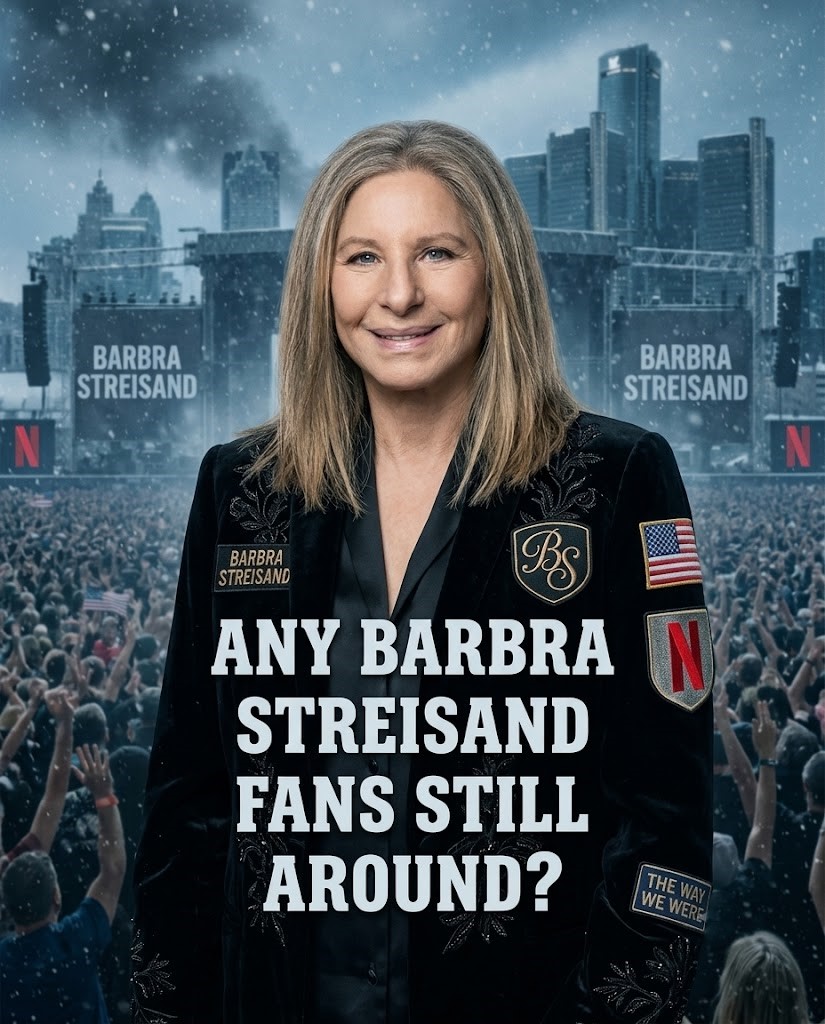
She said the material contains some of her “most cherished memories,” explaining that she had spent years considering the right way to share it.
That may be the most intriguing promise of the project.
Fans do not necessarily need another documentary explaining that Streisand is successful. The awards already do that. What makes this project potentially extraordinary is the possibility of seeing the moments before the triumphs — the rejection letters, private doubts, unseen footage, mistakes, arguments and decisions that shaped the woman behind the mythology.
At 84, Streisand is also watching the culture reconsider her place in cinema. The Cannes Film Festival honored her in 2026 with an Honorary Palme d’Or, celebrating not only her acting but her work as a director, producer, writer and creative force who repeatedly pushed against limitations placed on women.
After a lifetime of being told who Barbra Streisand was, she now has the opportunity to tell the story herself.
The voice is already famous.
What audiences may finally discover is everything that happened before she found the courage to use it.