▶ Watch the full video at the end of the article.
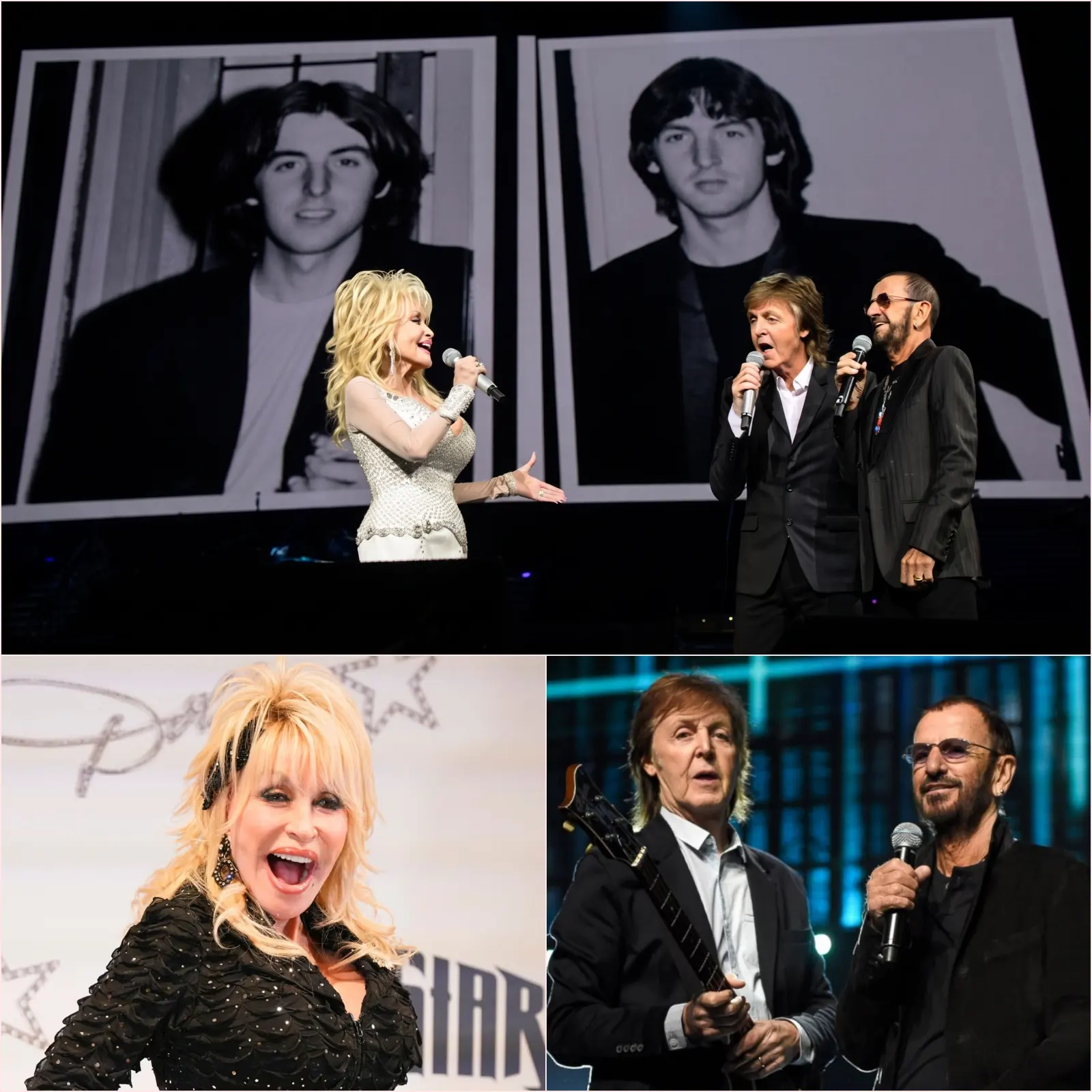
Dolly Parton has spent her career proving that genre lines mean very little when the song is strong enough. Country, pop, gospel, bluegrass and rock have all passed through her world at different moments, usually emerging with something unmistakably Dolly left behind. But few collaborations captured that fearless curiosity more beautifully than her version of the Beatles classic “Let It Be,” recorded for her 2023 album Rockstar with Paul McCartney on vocals and piano, Ringo Starr on drums, Peter Frampton on guitar and Mick Fleetwood adding percussion.
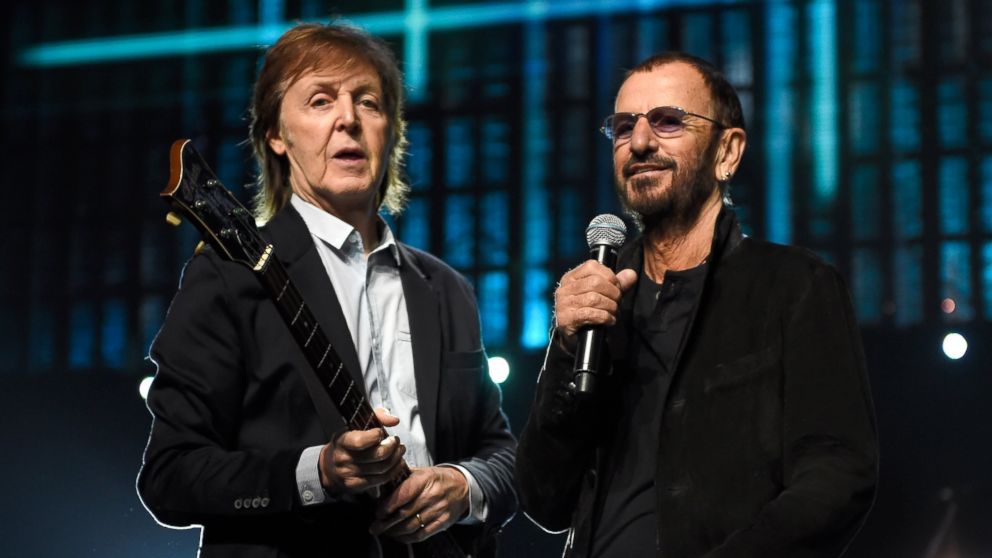
On paper alone, the lineup feels almost impossible.
A country icon from the Smoky Mountains singing one of the most cherished Beatles songs while two surviving Beatles appear on the same recording is the kind of combination that would have sounded like fantasy decades earlier. Yet Dolly had reached a point in her career where musical history seemed willing to gather around her simply because she asked.
The road to Rockstar began after Dolly’s induction into the Rock & Roll Hall of Fame in 2022. She initially resisted the honor, saying she did not feel she had earned a place among rock artists. Eventually, however, she embraced the induction in the most Dolly Parton way possible: by deciding that if rock ’n’ roll was going to claim her, she would make a rock album worthy of the invitation.

The result became one of the most ambitious projects of her career.
Instead of treating classic songs as museum pieces, Dolly approached them with curiosity and affection, inviting an extraordinary collection of artists to join her. When it came time to record “Let It Be,” she reached directly into Beatles history.
Paul McCartney did not merely approve the song.
He joined her.
His piano immediately connected Dolly’s recording to the emotional DNA of the original, while his voice alongside hers transformed the performance into something warmer than a conventional cover. Ringo Starr’s drums added another unmistakable connection to the Beatles, turning the recording into a rare modern moment featuring both surviving members of the band on one track.
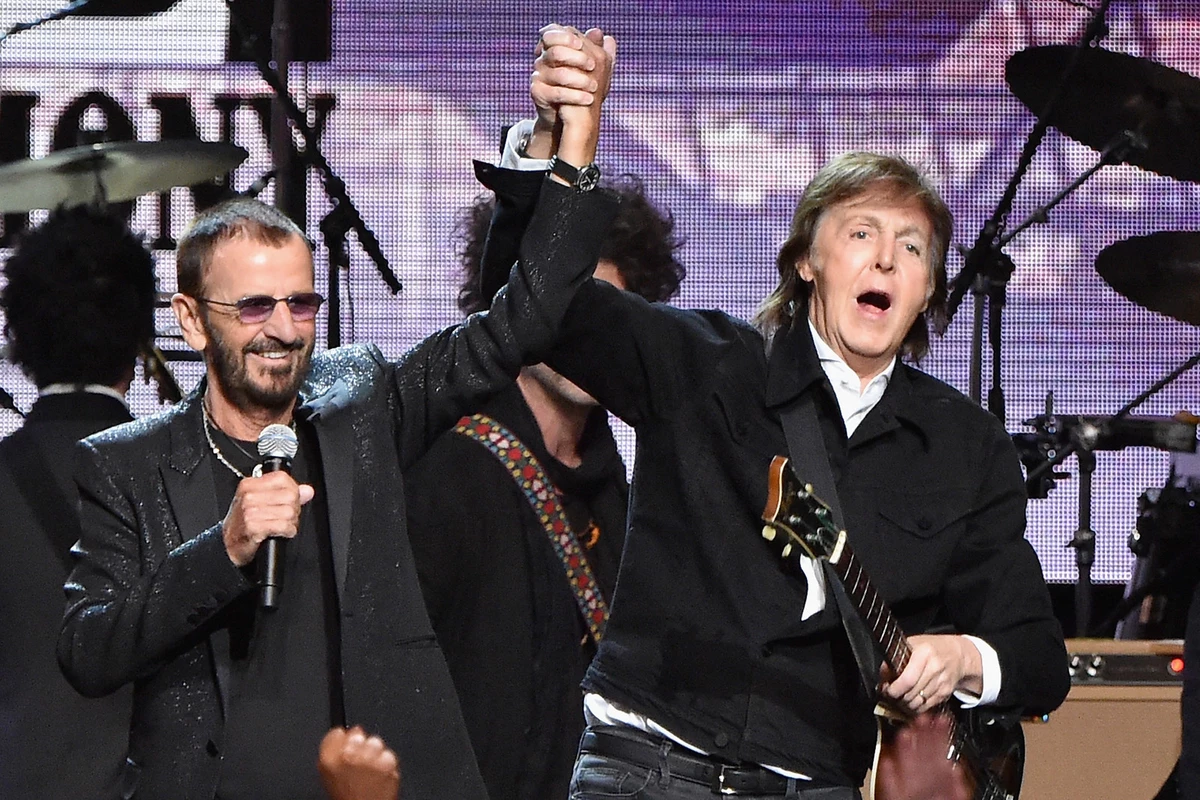
Peter Frampton and Mick Fleetwood expanded the family even further, creating a recording that felt less like a celebrity showcase than a gathering of musicians who understood how much the song meant.
For Dolly, Ringo’s participation carried its own history.
Their paths had crossed decades earlier, long before Rockstar was imaginable. By the time she contacted him about the project, both had already lived through more than half a century of fame, changing audiences, personal loss and musical reinvention. The young country singer and the Beatle who once occupied completely different corners of the entertainment world had become elder statesmen of the same larger musical story.
Dolly reportedly reached out personally, and Ringo agreed to take part.
That full-circle quality is one of the reasons the recording feels so special.

“Let It Be” was never simply another Beatles hit. Paul wrote it during the final turbulent period of the band, drawing inspiration from a dream about his mother, Mary, who had died when he was a teenager. Over time, the song became a universal expression of comfort — a reminder that there are moments when people cannot control what is happening and must somehow find the strength to accept what they cannot change.
Dolly understood that emotional language instinctively.
Much of her greatest songwriting is built on the same principle. “Coat of Many Colors” transforms poverty into love. “I Will Always Love You” turns separation into gratitude. Even “Jolene,” for all its urgency, is rooted in vulnerability rather than anger.
So when Dolly sang “Let It Be,” she did not need to imitate Paul McCartney.
She simply brought her own lifetime into it.
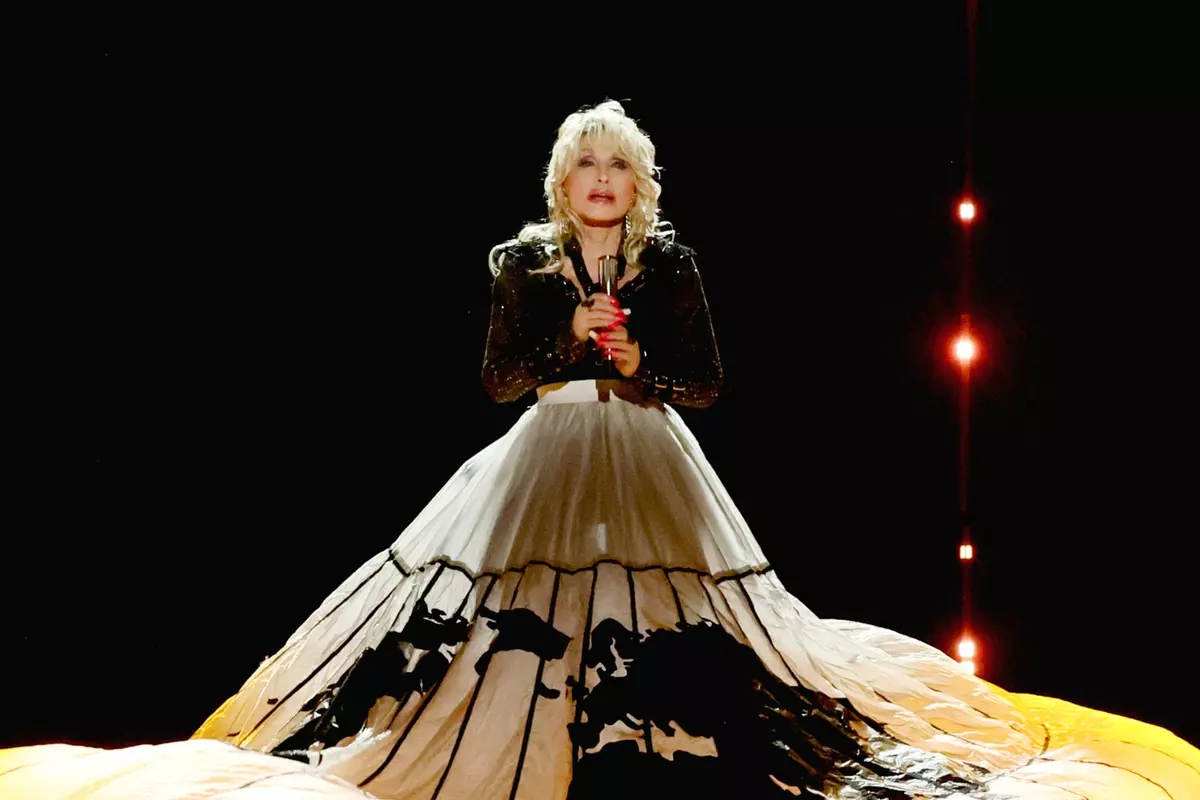
Her voice carried Tennessee, family, faith, survival, humor and decades of lessons learned the difficult way. Paul carried the song’s history. Ringo carried the rhythmic memory of the Beatles. Frampton and Fleetwood brought their own chapters of rock history into the room.
The result became something larger than a cover version.
It was a meeting of musical lives.
Country royalty stood beside Beatles history, while rock legends helped one of the most famous songs ever written find yet another home.
Dolly Parton had spent her career reminding people that great songs do not belong permanently to one genre, one generation or even one artist.
With “Let It Be,” she proved it again.
And for a few extraordinary minutes, Dolly Parton, Paul McCartney and Ringo Starr were not symbols of different musical worlds at all.
They were simply musicians gathered around a song that had survived long enough to bring them together.