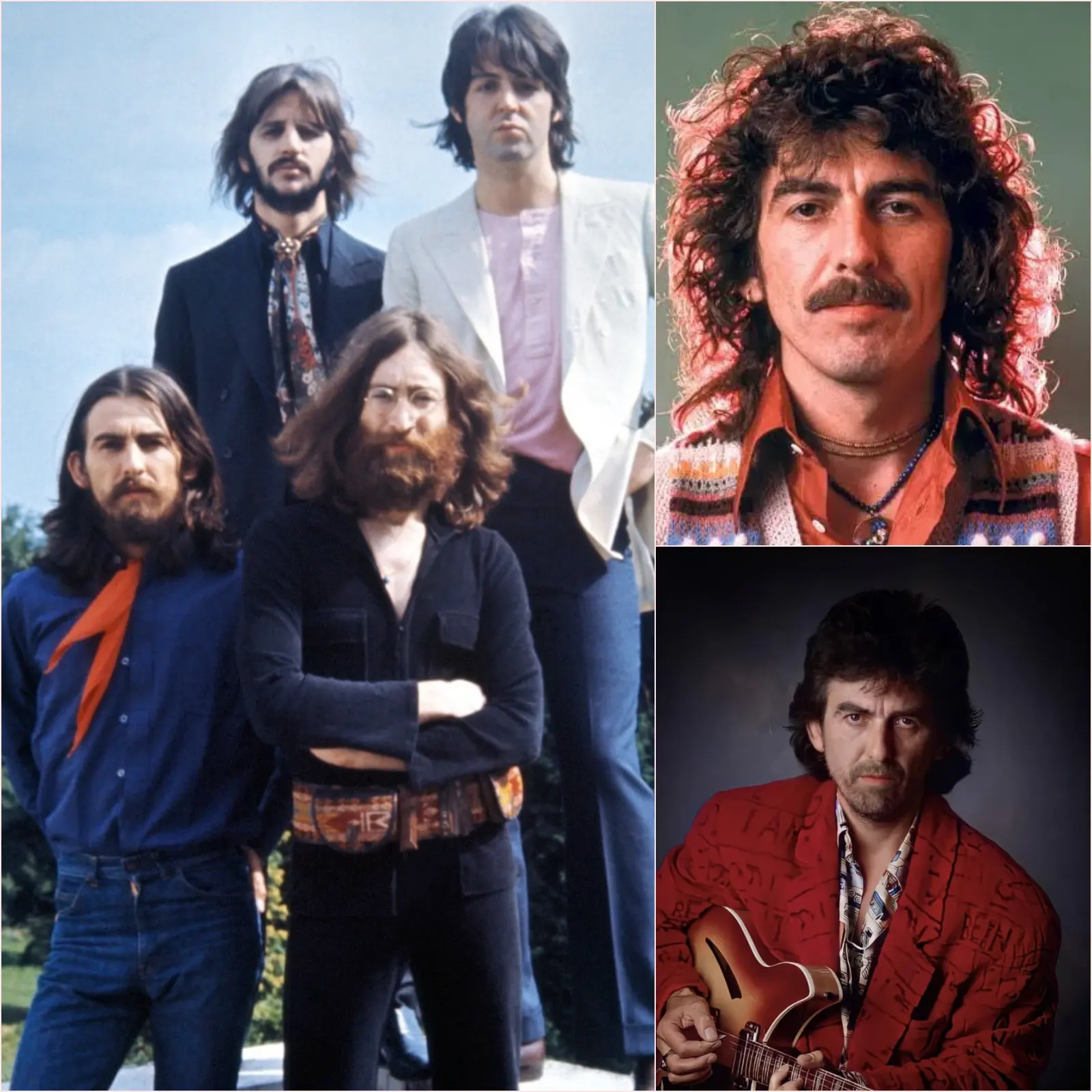
For Paul McCartney, John Lennon has never completely disappeared. More than four decades after Lennon’s death, his voice, humor and presence still seem to surface in unexpected places — in an old photograph, inside a familiar song, during a concert and even in Paul’s dreams. A story circulating among Beatles fans claims that in late 2023, around the emotional release of “Now and Then,” McCartney experienced an especially vivid dream in which John was alive again, sitting across from him, laughing and talking as if all those lost decades had somehow vanished. That specific 2023 dream has not been confirmed in a reliable interview, but the emotion behind the story is rooted in something Paul has publicly acknowledged for years: he really does dream about John.

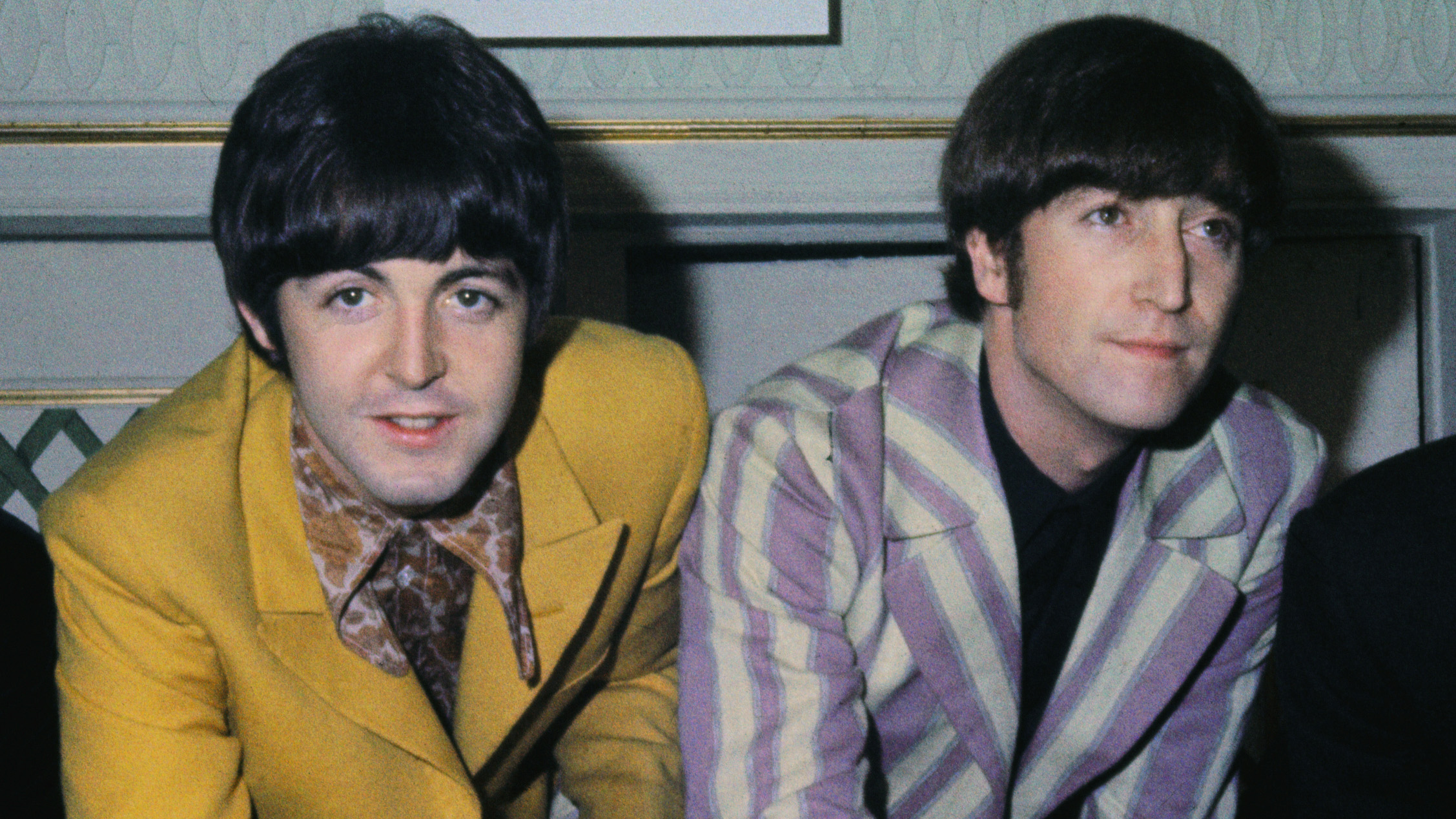
In a 2019 interview, McCartney explained that Lennon often returns to him in dreams because their relationship had been so deep and lasted so long. Sometimes, Paul said, they are simply together talking or preparing to play music again. The details may be strange in the way dreams often are, but the emotional reality is unmistakable. John remains somewhere in Paul’s inner world, not only as the murdered Beatle frozen forever at 40, but as the Liverpool friend who once sat opposite him with a guitar while the two teenagers discovered what they could create together.
That history gave the arrival of “Now and Then” in November 2023 extraordinary emotional weight. Lennon had written and recorded the song as a home demo in New York during the late 1970s. Yoko Ono later gave the recording to the surviving Beatles, and Paul, George Harrison and Ringo Starr worked on it during the 1990s. Technical problems prevented them from completing it then, but advances developed through Peter Jackson’s audio work eventually made it possible to separate Lennon’s vocal from the piano with remarkable clarity. Paul and Ringo finished the recording using John’s newly isolated voice, elements from the 1995 sessions including George’s guitar, and new instrumental and vocal parts.
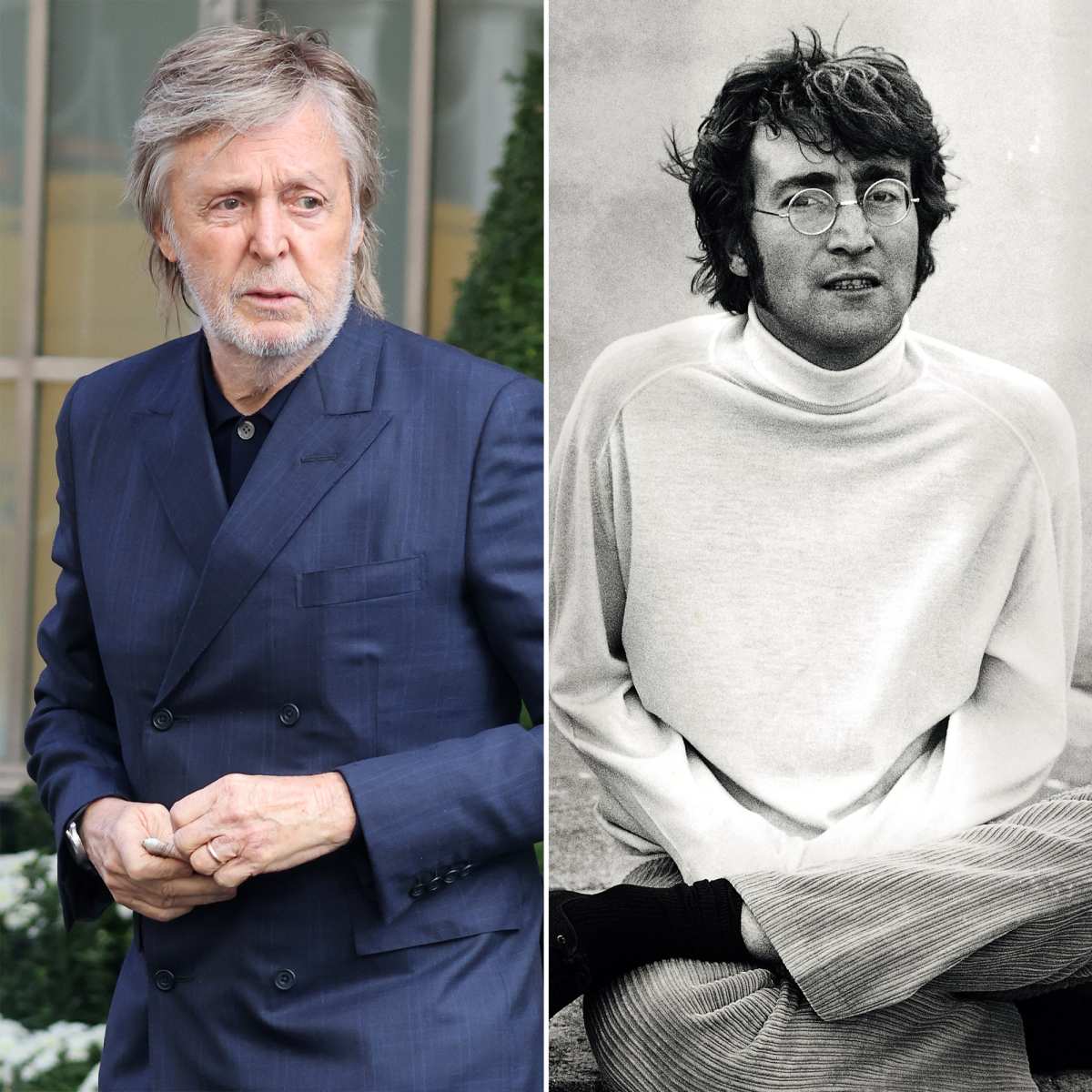
For Paul, hearing John emerge so clearly from an old cassette was not simply a technological achievement. It brought his friend back into the studio in the only way still possible. In the documentary Now And Then — The Last Beatles Song, McCartney wrestled openly with whether finishing Lennon’s unfinished recording was the right thing to do. He ultimately imagined asking John himself whether he would want them to complete it and concluded that Lennon would have enthusiastically agreed.
The moment carried all the complicated history between them. Paul and John were never simply two musicians who happened to work together. They were teenage friends, songwriting partners, competitors and something close to brothers. The Beatles’ breakup created bitterness and distance, but their relationship softened in the years before Lennon was murdered in December 1980. McCartney has continued to express enormous gratitude that they repaired their friendship before John died, describing that reconciliation years later as one of the great blessings of his life.
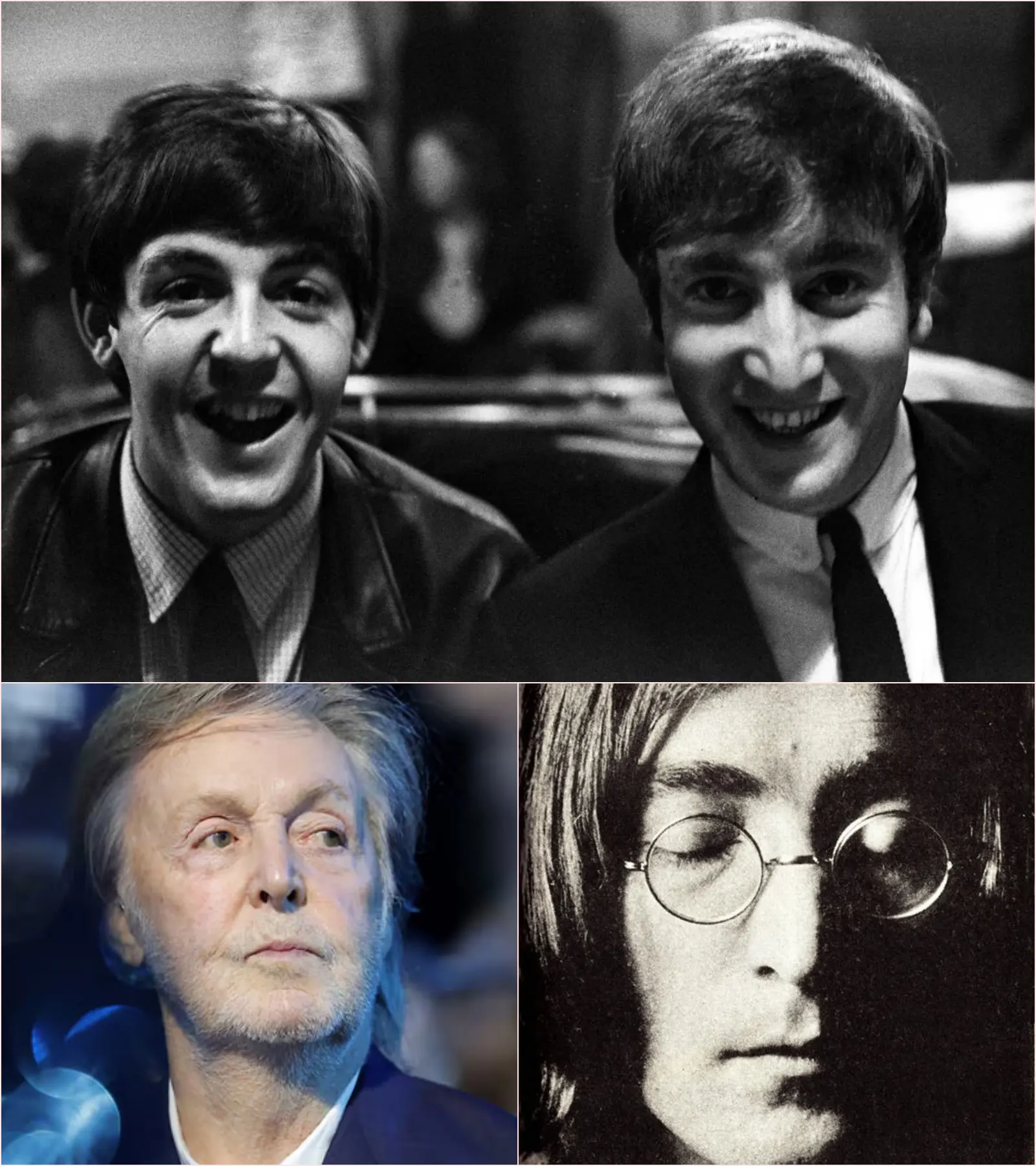
That may explain why “Now and Then” feels less like another Beatles release than a conversation interrupted for decades and somehow allowed to continue. Even after the record was finished, Paul carried John onto the stage. During later performances, “Now and Then” became another way for McCartney to stand beside his old friend again, much as technology had already allowed him to duet with Lennon’s isolated vocal on “I’ve Got a Feeling.” Paul’s own website described John’s presence as something regularly felt in his concerts.
The viral story of a vivid late-2023 dream may therefore remain unverified in its exact details, but its central image feels deeply connected to something real. Paul McCartney has never stopped carrying John Lennon with him. Sometimes that happens through memories. Sometimes through “Here Today.” Sometimes through an old cassette suddenly restored until John sounds as though he is standing only feet away.
Two boys once sat together with guitars and wrote songs without knowing where those songs would take them. More than sixty years later, one of those boys is still here, still making music, still occasionally wondering what the other would say.
And for a few precious minutes whenever “Now and Then” plays, perhaps the distance between them does not feel quite so impossible.