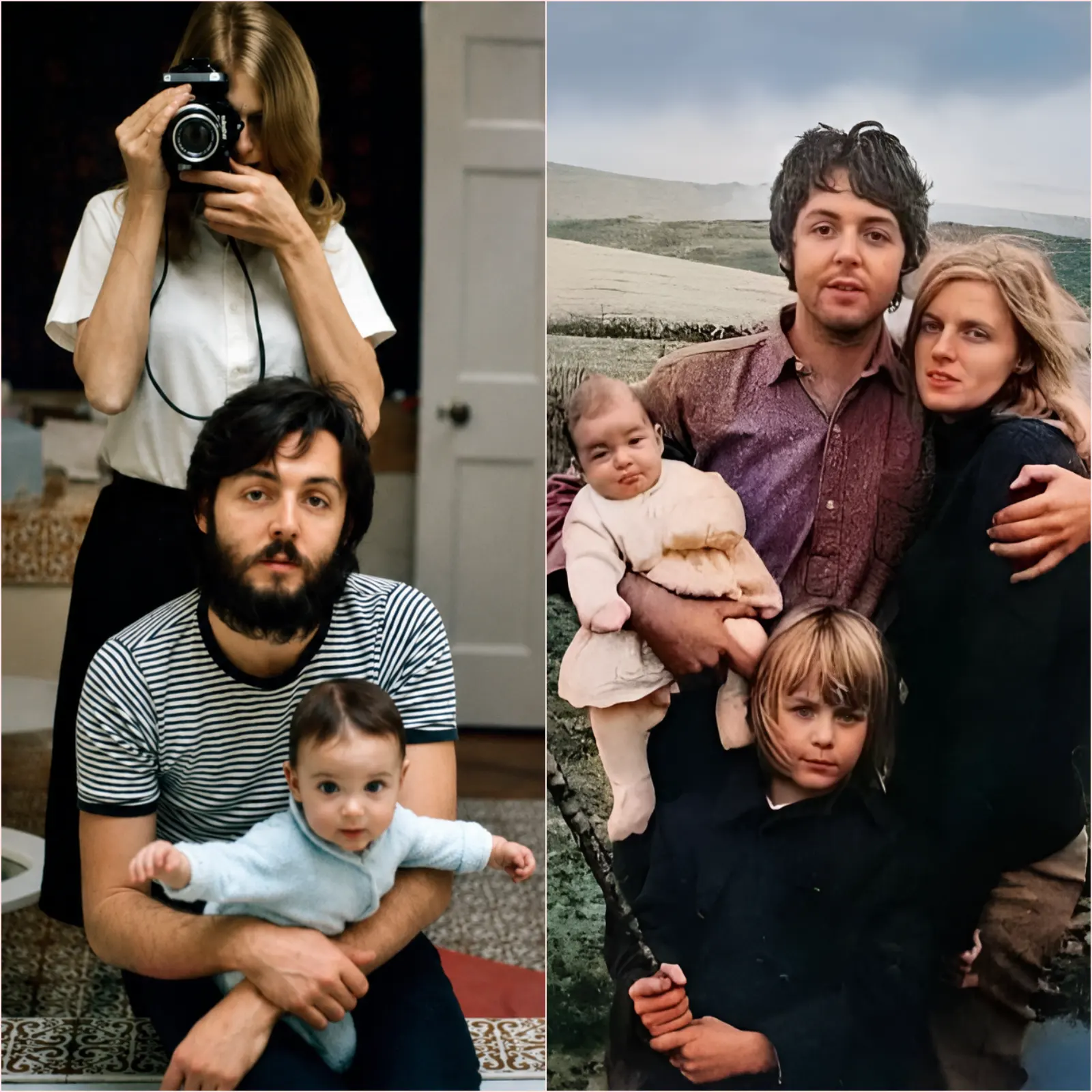
Long before Paul McCartney became one of music’s most enduring legends, there was a period when the noise suddenly stopped. The Beatles were breaking apart, business meetings had become painful, and the young man who had spent most of his twenties surrounded by screaming crowds found himself searching for somewhere he could simply breathe. Paul and Linda McCartney chose High Park, his remote farm on Scotland’s Kintyre peninsula, and what followed was not glamorous. It was muddy, improvised and deeply domestic — a chapter Paul later remembered as one of the most liberating of his life.
In a 2012 interview, McCartney recalled escaping the acrimony surrounding the Beatles’ breakup and retreating to Scotland with Linda and their young family. Instead of assistants anticipating every need, Paul found himself learning ordinary home life. He remembered making “handmade bits of furniture” because they did not even have a bed for Mary, the baby daughter he and Linda had welcomed in 1969. The furniture, he admitted, was hardly impressive, but being resourceful felt freeing after years in a world where simple everyday tasks could be handled for him.
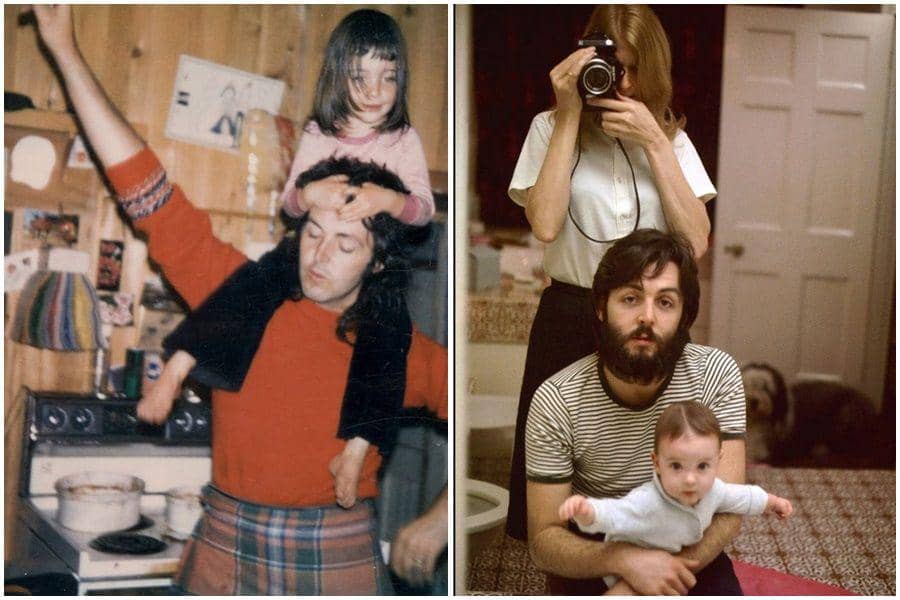
That image — Paul McCartney building furniture for his baby — reveals something fame often hides. While the public obsessed over the end of the Beatles, Paul’s life was becoming centered on Linda, children, animals, the countryside and rebuilding his own identity. He married Linda in 1969 and adopted her daughter Heather; together they went on to have Mary, Stella and James. Paul has recalled that he and Linda were hands-on parents who had not even thought in terms of hiring nannies and household staff. Family life became part of the way he found his footing again.
The children eventually carried that creative atmosphere into lives of their own. Heather pursued art and design while largely avoiding celebrity attention. Mary became a photographer and filmmaker, following a visual path connected to her mother’s legacy. Stella built an internationally renowned fashion career, while James became a musician. Decades later, Paul welcomed his youngest daughter, Beatrice, during his marriage to Heather Mills; she has grown up largely outside the spotlight.
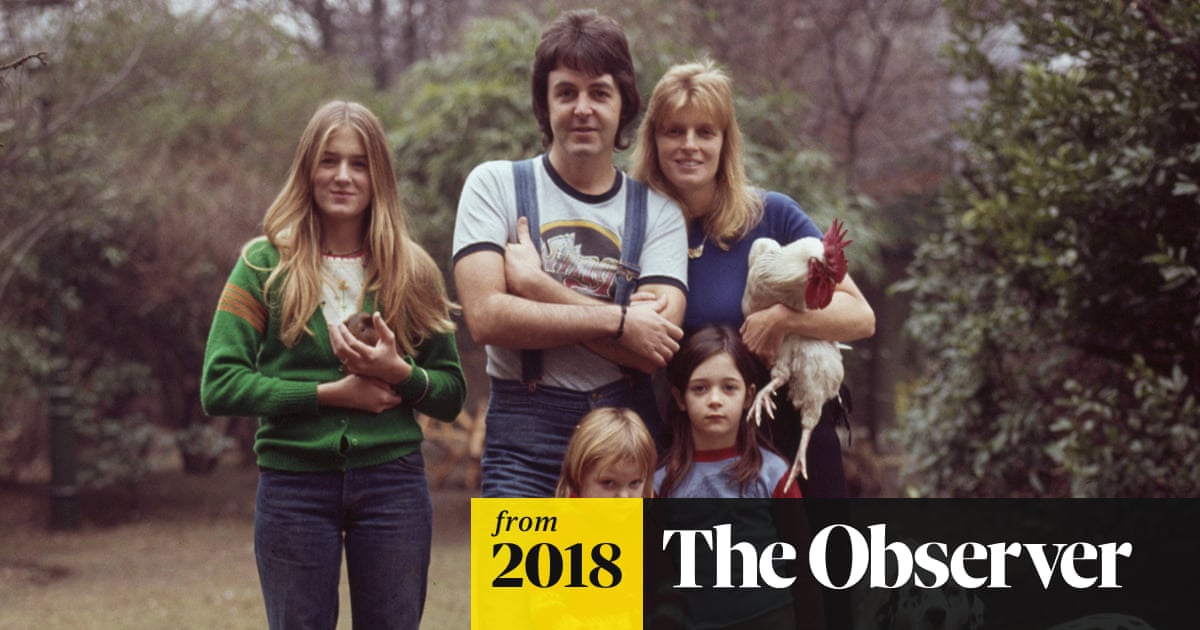
Then, in 1998, the heart of that family changed forever when Linda died from breast cancer at 56. She and Paul had been married for 29 years. Linda had been his wife, creative partner, Wings bandmate and the person who helped him discover a life beyond the Beatles. Paul later spoke openly about the depth of his grief and how profoundly her death changed him. Music could help him express what he felt, but it could not remove the absence his family now had to live with.
For Paul, grief also meant continuing to be a father while carrying his own heartbreak. The same man who once improvised furniture on a Scottish farm now faced something no fame or fortune could solve: showing up for his children when the person at the center of their family was gone.

That is why those old photographs from Scotland still feel so powerful. There are no stadiums or screaming crowds. There are children, animals, muddy fields and a family trying to build a home while the world outside argued about the Beatles. Mary herself later remembered her earliest years as divided between London and the Scottish farm — city excitement on one side, and on the other ponies, trees, her mother’s kitchen and the sound of her father’s guitar.
To millions, Paul McCartney will always be the Beatle behind songs that changed popular music. But his children knew another Paul — the man who came home after the applause, who built things when they needed them, who listened, encouraged and tried to make life feel normal inside circumstances that were anything but ordinary.
The Beatles gave Paul McCartney immortality in popular culture. The Scottish farm gave him something quieter: a place to learn that being needed by a family could matter just as much as being adored by the world.