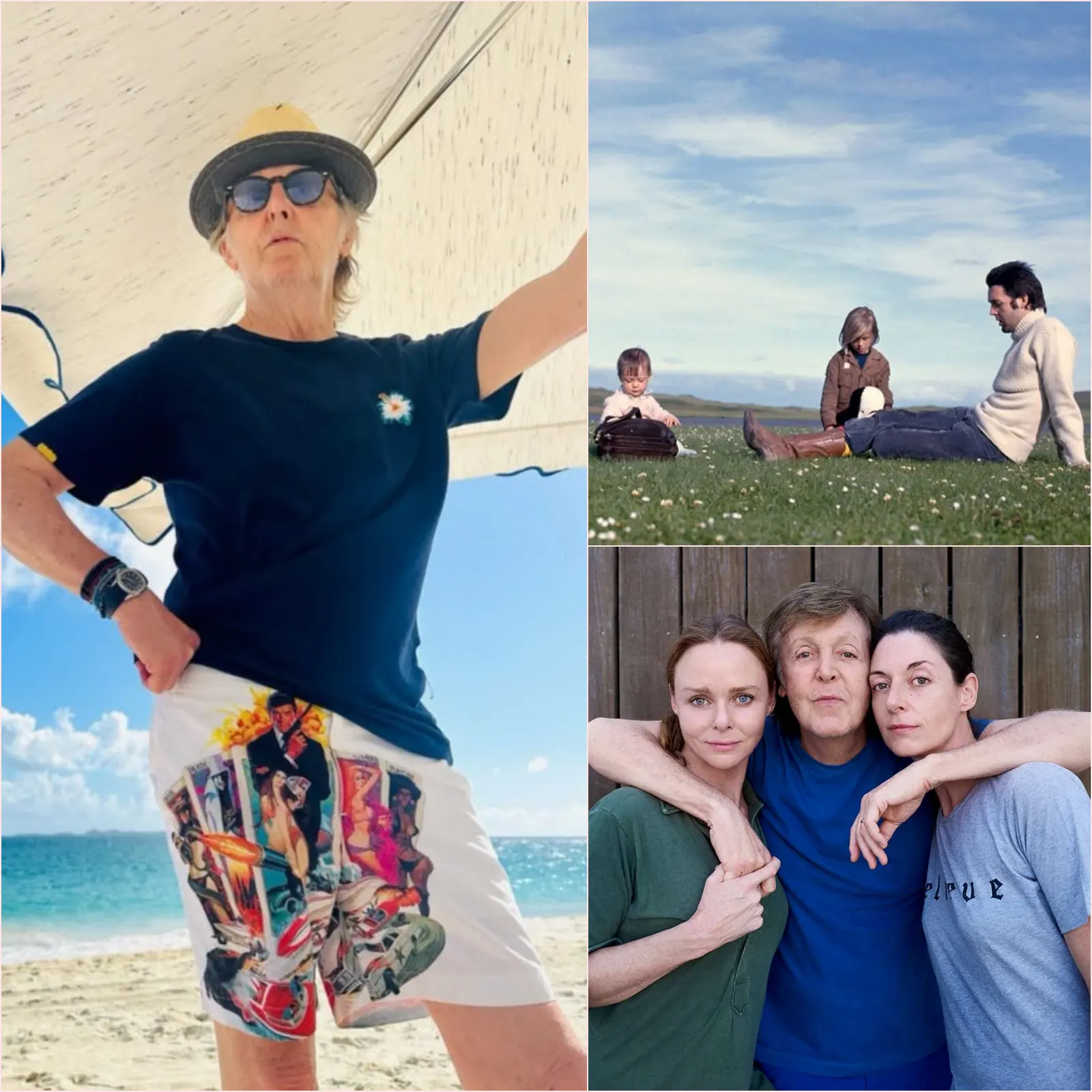
Paul McCartney has spent more than sixty years living with a level of fame almost impossible to imagine. His songs are known in virtually every corner of the world, his face became recognizable before he was 25, and his name has been attached to stadium tours, royal honors and some of the most influential recordings in popular music. Yet one of the most revealing things about McCartney has never been the scale of his success. It is how deliberately he has tried to prevent that success from separating him completely from ordinary life.

Long after Beatlemania turned simple activities into logistical operations, Paul and Linda McCartney were known for resisting many of the habits expected of rock royalty. A 1992 profile described the family as regularly using public transportation, raising their children without nannies and sending them to local state schools. Earlier photographs also captured Paul and Linda riding the London Underground like countless other couples. For McCartney, remaining connected to ordinary people was not merely eccentric behavior from a wealthy celebrity. It reflected where he came from — a working-class Liverpool family in which buses, neighbors and everyday routines were simply life.
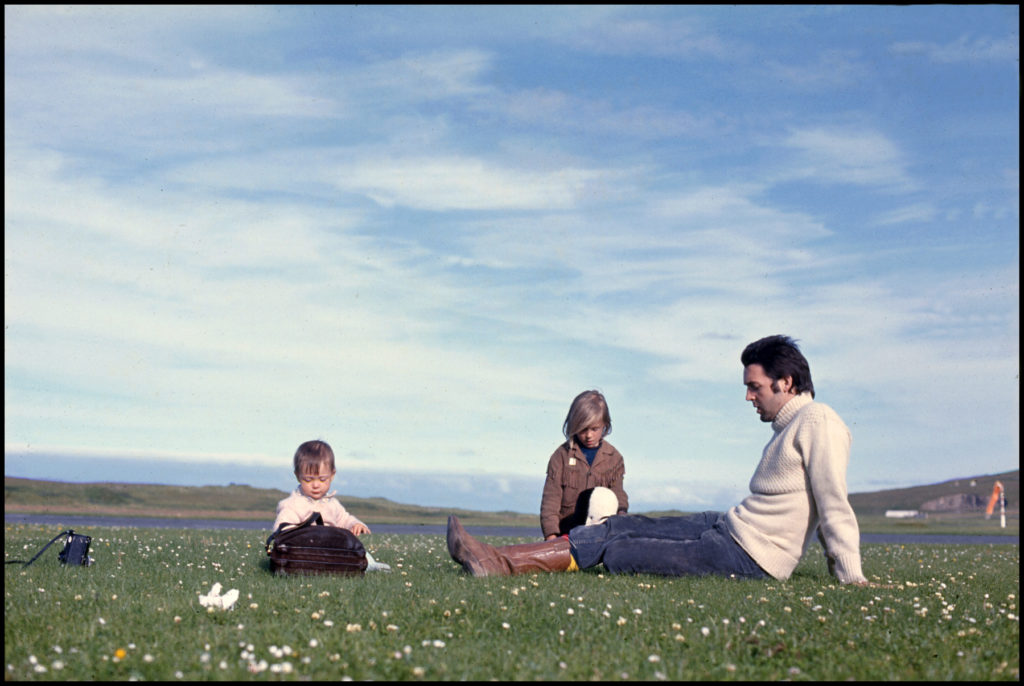
That instinct became particularly important after the Beatles fell apart. Emotionally exhausted by business disputes and the collapse of the band that had defined his adulthood, Paul escaped with Linda and their young family to his remote farm near Campbeltown in Scotland. There, the contrast with Beatlemania could hardly have been greater. Instead of screaming fans and recording studios, there were sheep, muddy fields, children, animals and jobs that had to be done because nobody else was around to do them.
McCartney later remembered learning to chop wood, drive a tractor, repair things and build furniture. When baby Mary needed somewhere to sleep, he even made crude pieces of furniture himself. He admitted they were hardly masterpieces, but that was almost beside the point. After years in which assistants could arrange nearly anything for a Beatle, there was something liberating about discovering that he could make a table, bring home his own Christmas tree or simply spend an afternoon with his family without being Paul McCartney the phenomenon.
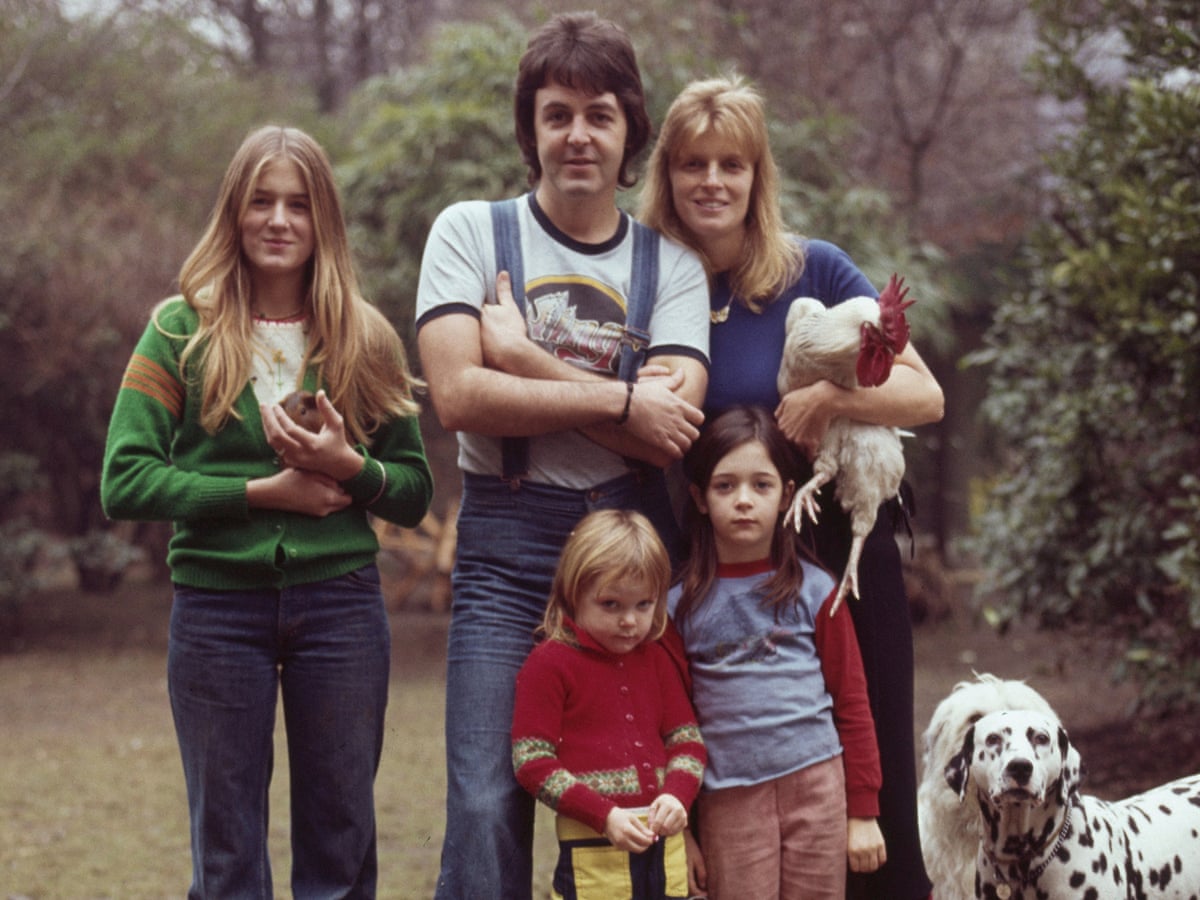
That period also shaped the kind of father he wanted to become. Paul once explained that he and Linda made a point of being “alarmingly normal,” emphasizing that being a father mattered more to him than the trappings surrounding his career. Their homes could be surprisingly informal, their children grew up around animals and family routines, and the McCartneys repeatedly spoke about trying to give them something resembling a normal childhood.
To Heather, Mary, Stella and James, the man whose face appeared on bedroom walls around the world was not primarily a Beatle.
He was Dad.

Perhaps that ordinary life also helps explain McCartney’s songwriting. The Beatles catalog is filled not only with grand emotions but with remarkably everyday people and details: a lonely woman picking up rice after a wedding, a meter maid, a man writing a paperback, a barber showing photographs, people waiting for buses and living unnoticed lives. Paul has always seemed fascinated by the human stories happening beyond the limousine window.
What is equally remarkable is that the curiosity never disappeared. At 84, he is still creating when retirement would require no explanation whatsoever. His official site shows new music released in 2026, along with performances earlier this year and continuing work involving books, photography and his enormous archive. The need to make something new appears less like a career strategy now than a lifelong habit.

That may be the secret behind McCartney’s extraordinary longevity. Fame became enormous around him, but he never completely surrendered the kid who grew up in Liverpool watching ordinary people, listening to conversations and finding melodies in everyday life.
The knighthood matters. The Beatles matter. The stadiums and records matter.
But underneath all of it remains something simpler: a man who still seems curious about what people say, how families live, what a small moment feels like and whether there might be another song hidden inside it.
Paul McCartney became a legend by making extraordinary music.
Perhaps he remained creative for so long because he never stopped paying attention to ordinary life.