▶ Watch the full video at the end of the article.
Before Willie Nelson became an outlaw country legend, before “On the Road Again” made him a symbol of freedom, and before his name became one of the most beloved in American music, he was a struggling Texas songwriter trying to stay afloat. He was driving late nights between Pasadena and Houston, playing small rooms, chasing work, and watching the world that came alive after dark. Out of those smoky, lonely hours came one of the most haunting songs of his early career: “Night Life.”

The song was born from the life Willie was living. He was traveling from his home in Pasadena, Texas, to Houston’s Esquire Ballroom, where he performed at night, surrounded by neon lights, tired hearts, musicians, drinkers, dancers, and people looking for comfort after sunset. That world found its way into the song’s mood, giving “Night Life” a feeling that was part country, part jazz, part blues, and all loneliness. It did not sound like a simple road song. It sounded like a man staring directly into the after-hours world and understanding both its sadness and its strange beauty.

But at the time, “Night Life” did not bring Willie Nelson fame or fortune. It brought him $150. According to accounts of the song’s history, Willie needed money badly enough that he sold the song to guitar instructor and musician Paul Buskirk for that amount. The detail still shocks fans because the song would later become one of the most respected compositions connected to Willie’s name, but in that moment, it was a survival decision. A young songwriter needed cash, and a future classic left his hands for a price that now feels almost impossible to believe.
The story became even stranger after that. Willie’s recording was initially rejected by Pappy Daily of D Records, who reportedly felt the song was not country enough. To avoid legal complications after the sale, it was released under the title “Nite Life” and credited to “Paul Buskirk and the Little Men featuring Hugh Nelson,” using a version of Willie’s own name rather than the name that would later become legendary. That odd detail gives the song’s early history a shadowy, almost mythical quality, as if even the record business did not yet know what kind of classic it was holding.
Then Ray Price got hold of it.
By 1963, Price had recorded “Night Life” and made it the title track of his album, backed by his Cherokee Cowboys. On the charts, the single reached only No. 28 on Billboard’s country singles list, a modest position that never came close to explaining the song’s true impact. The chart number was just a statistic. The feeling of the record was something deeper. Ray Price took the song’s smoke, loneliness, heartbreak, and late-night ache and gave it a home inside his own sound.
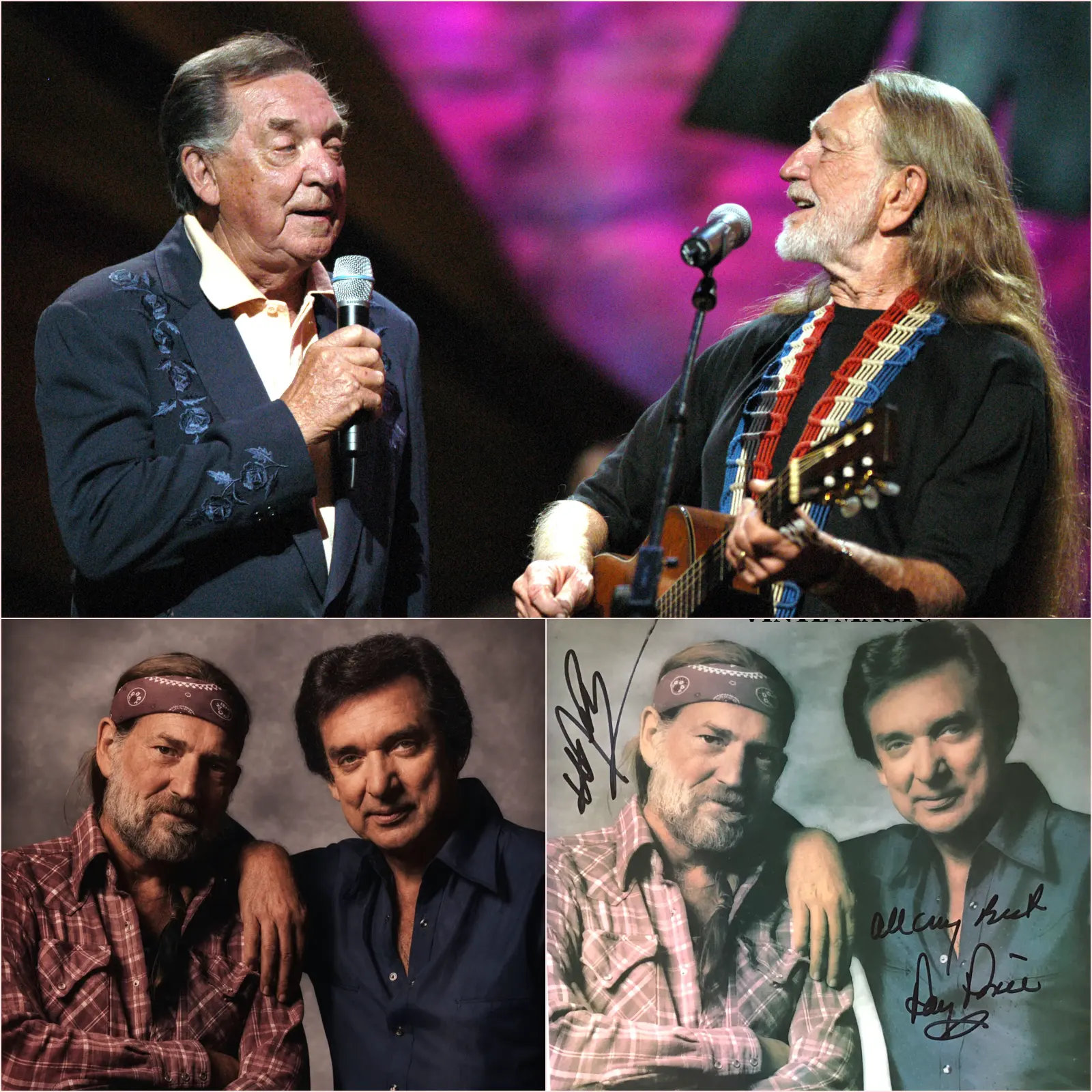
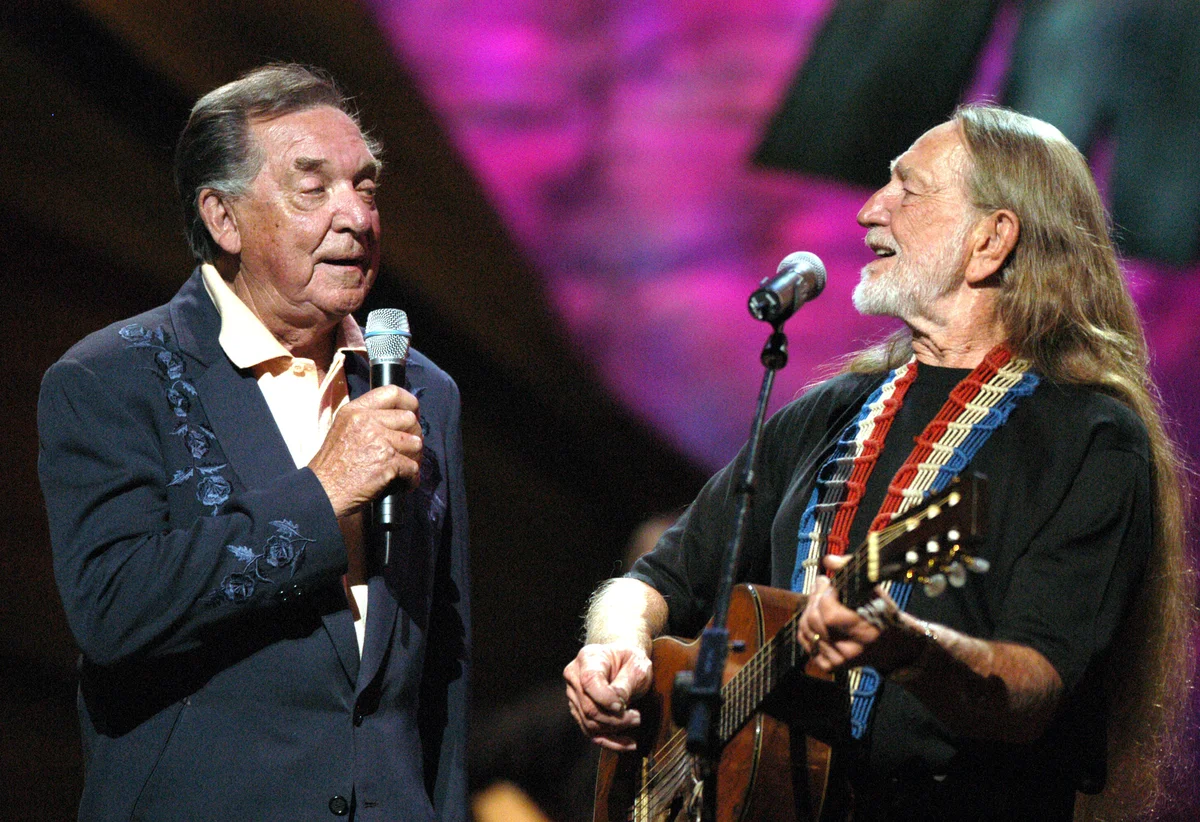
For Price, “Night Life” became more than a recording. It became part of his stage identity. The New Yorker noted that Ray Price recorded the song in 1963, that it became his opening number, and that he later hired Willie Nelson to play in his band. That connection says everything about the song’s strange journey. Willie wrote it while trying to survive. Ray Price turned it into a doorway, a way to pull audiences into his world before the night even fully began.
What made “Night Life” so unforgettable was that it did not pretend the night was glamorous. It understood the sadness beneath the neon. It understood that bars could be full of people and still feel lonely. It understood that musicians could be surrounded by applause and still be carrying private pain. That is why the song lasted. It did not simply describe nightlife. It captured the emotional cost of living in it.
Looking back, the $150 sale feels heartbreaking, but it also became part of the legend. It reminds fans that great songs do not always begin in comfort. Sometimes they are written in desperation, sold too soon, misunderstood by the industry, renamed, recredited, and only later recognized for what they were all along.
Willie Nelson gave “Night Life” its soul.
Ray Price gave it a stage.
And together, they turned a desperate after-dark song into honky-tonk history.