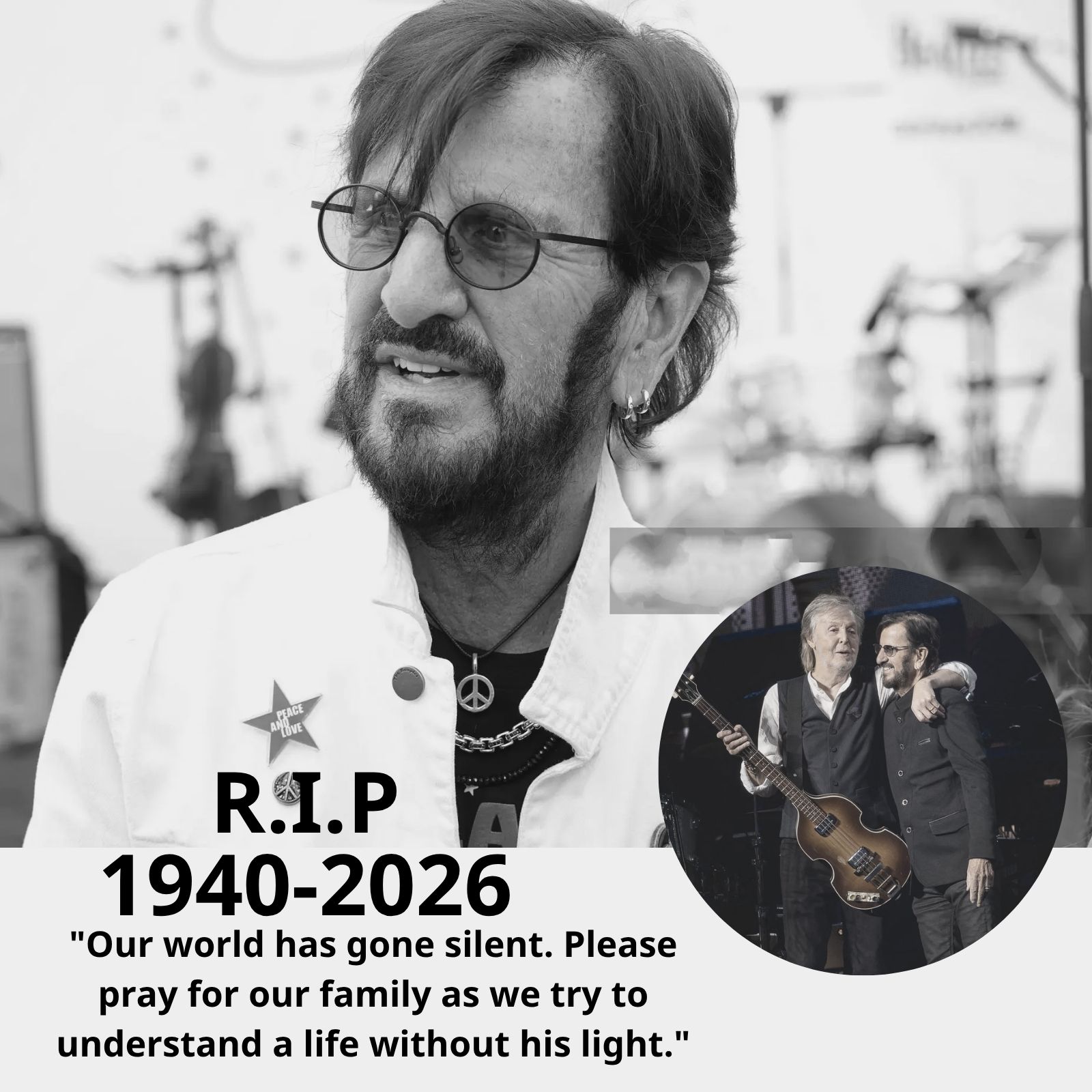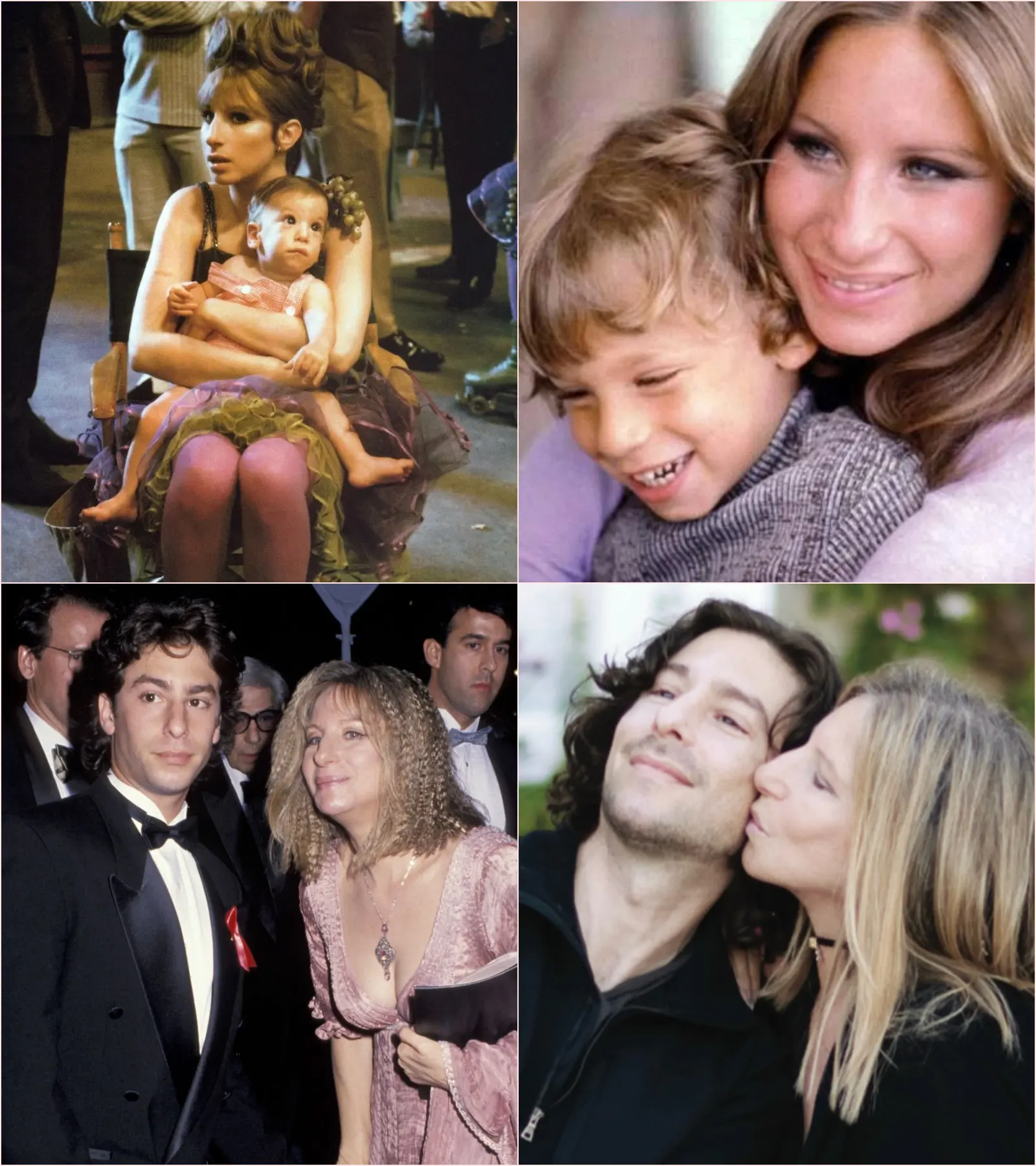
By the end of 1966, Barbra Streisand was already living a life that seemed almost impossibly large for someone only 24 years old. Broadway audiences had fallen in love with her as Fanny Brice in Funny Girl, her records had established her as one of America’s most distinctive new voices, and her first television special, My Name Is Barbra, had earned five Emmy Awards. She had already learned what it meant to hear applause thunder through a theater and to watch her name rise rapidly through show business. But on December 29, 1966, none of those achievements mattered quite as much as what happened inside a New York hospital room: Barbra Streisand became a mother.
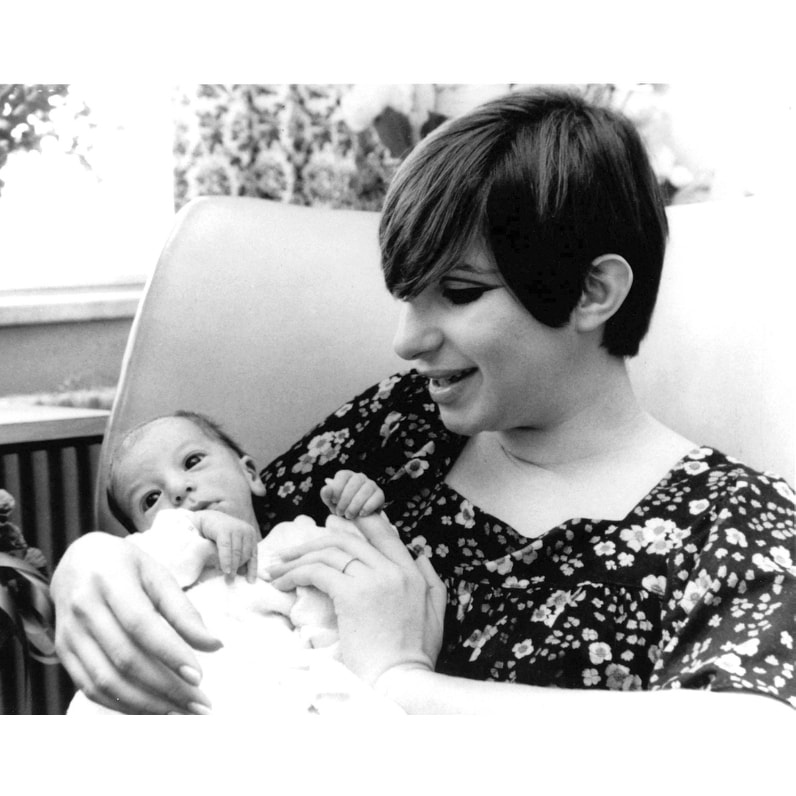
Her son, Jason Emanuel Gould, was born during Streisand’s marriage to actor Elliott Gould, the man she had met years earlier while both were working on the Broadway musical I Can Get It for You Wholesale. Jason would be their only child together. PEOPLE confirms that he was born on December 29, 1966, arriving at an extraordinary moment when both of his parents were building increasingly visible careers in entertainment.
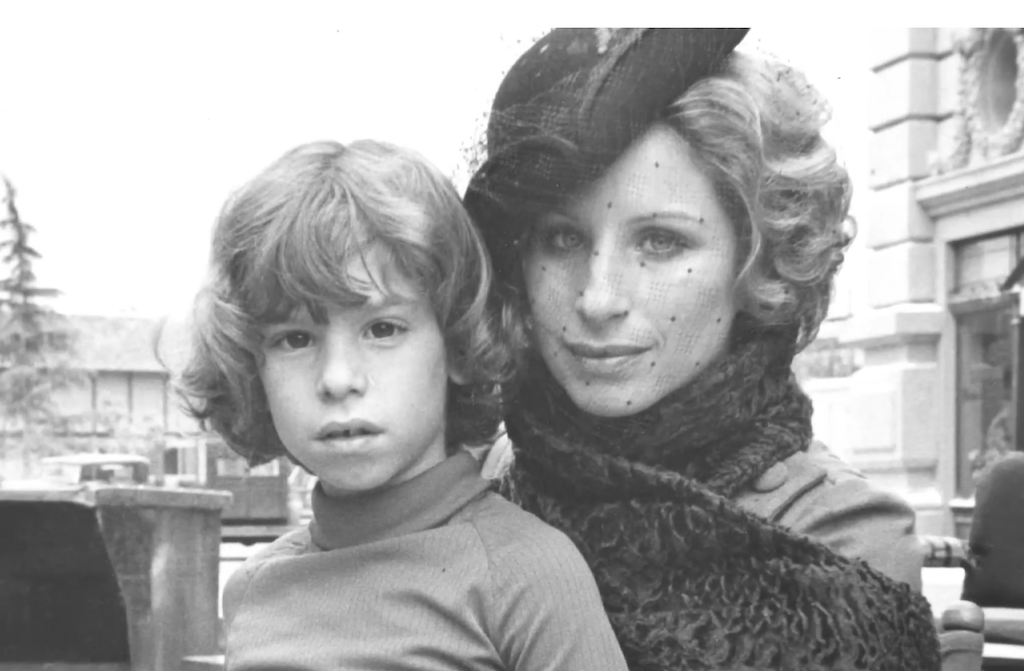
Accounts repeated over the years describe Elliott as an excited new father who immediately began comparing the baby’s features to both parents. One widely circulated recollection attributes to him the observation that Jason looked like Barbra but had his father’s dark hair and distinctive cleft chin. The exact wording is difficult to trace to a surviving primary interview, but the image it created has endured: two young stars suddenly focused not on reviews, contracts or cameras, but on the tiny face of their newborn son.
For Streisand, the timing made the transition especially remarkable. She had spent her early twenties fighting relentlessly to be taken seriously on her own terms. Her debut album had already won major Grammy recognition, while Funny Girl had transformed her from a rising Broadway talent into a cultural phenomenon. The Recording Academy notes that her first three albums had all reached the Top 10 before Funny Girl even opened on Broadway in 1964. By the time Jason arrived, Barbra was not waiting for success anymore; she was already surrounded by it.

Yet motherhood offered something fame could not. There were no rehearsals for the uncertainty of raising a child, no audience to impress and no perfect performance capable of guaranteeing that everything would go according to plan. Behind the glamorous photographs of the young family was a woman learning to balance an extraordinary public identity with something far more private and vulnerable.
That tension would follow Streisand for years. Her career continued to accelerate, eventually carrying her into film, directing, producing and decades of musical achievement, while Jason grew up surrounded by famous names yet ultimately developed an artistic identity of his own. He acted, including appearing with his mother in The Prince of Tides, but later placed much of his creative energy into music. In 2012, mother and son even began performing together, including a duet of “How Deep Is the Ocean,” allowing audiences to witness an artistic bond that had begun decades earlier in that hospital room.

Jason has also spoken candidly about the complicated reality of growing up with two celebrated parents. Fame may have opened doors, but it also created expectations and constant comparisons. His decision to pursue music eventually gave him another way to connect with his mother, not simply as Barbra Streisand’s son, but as a fellow singer discovering what his own voice could say.
Looking back, December 29, 1966 stands apart from the awards ceremonies, premieres and historic performances that would eventually define Streisand’s public legacy. She was already a star when Jason arrived, but motherhood introduced a role that existed beyond applause.
At 24, Barbra Streisand had already discovered that her voice could captivate millions. Holding her first child, she entered a different kind of story — one measured not by standing ovations, but by love, responsibility, memory and the quiet bond between a mother and the son who would remain part of her life long after the theater lights faded.