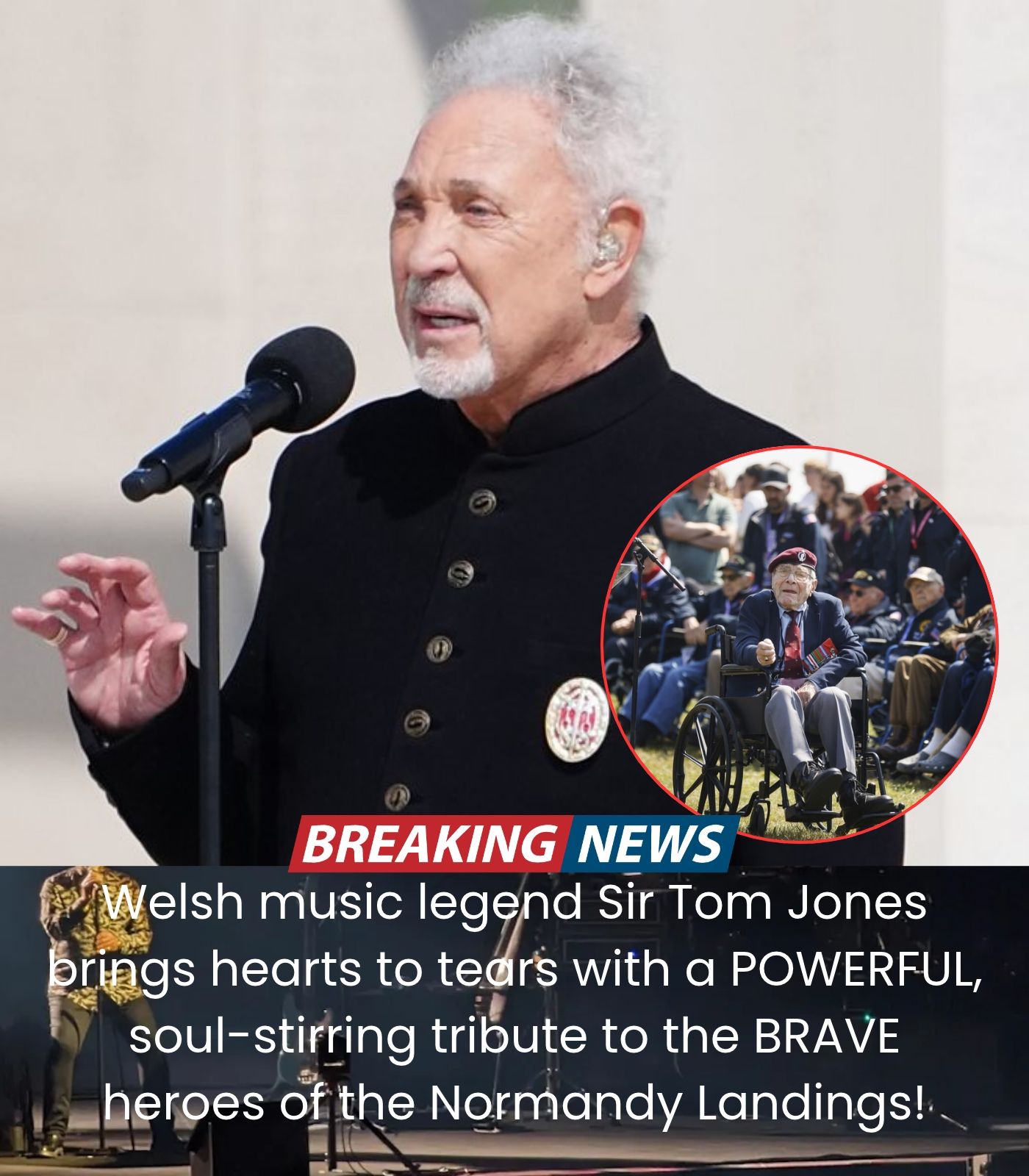
On a sunlit morning in Normandy, Sir Tom Jones sang a promise: “I Won’t Crumble With You If You Fall.” The people he was there to honor had lived through a day when the person beside them could mean the difference between making it home and never seeing home again. Eighty years after the D-Day landings, the Welsh singer’s unmistakable baritone carried across the British Normandy Memorial in Ver-sur-Mer. The ceremony on June 6, 2024, brought veterans and their families together to remember what happened there and the people who didn’t come back. The Royal Family

Jones was a day shy of his 84th birthday. A voice that had spent decades reaching the back row of concert halls could still carry effortlessly, but the strength of the performance was in how closely he held to the song’s words. His expression was solemn, his delivery deliberate. There was room between phrases for the promise at the center of the ballad to settle in. On a day devoted to remembering the actions of thousands, the song spoke in the intimate language of one person telling another they wouldn’t have to face a hard moment alone.

That choice gave the performance an emotional reach beyond the ceremony itself. A song about standing beside someone could mean one thing to a veteran who remembered the men he served with and something else to a family member who had spent years listening to his stories. For younger people watching, it offered a way into a history they might know mainly through dates, photographs, and maps. The song couldn’t tell them what it was like to be there in 1944. It could bring them a little closer to the human bonds that made the day possible to endure.
The setting made those bonds feel especially present. In Normandy, the landscape is part of what people come to see and remember. The light falling across the memorial that morning belonged to an ordinary June day, and the ceremony asked people to look at that familiar sight with a sense of what had happened there. June 6, 1944, marked the beginning of the Allied landings in Normandy. Eight decades later, the veterans who could still make the journey gave the anniversary something no account of the operation could provide: the presence of people who remembered it firsthand. The Royal Family
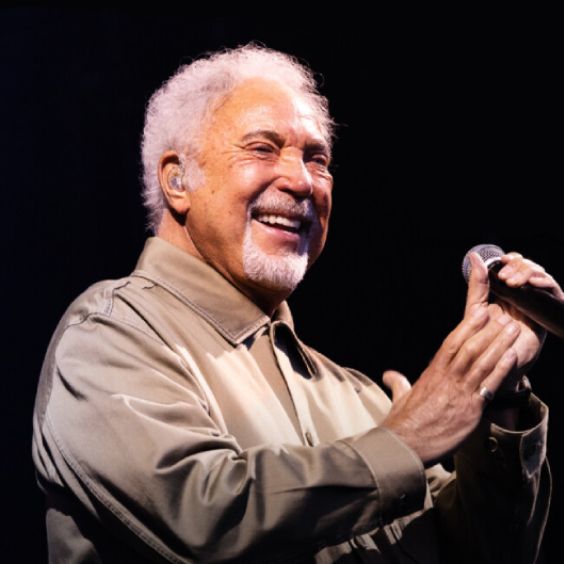
For listeners who grew up with Jones, there was also something moving about hearing a voice they knew so well in that setting. On “Green, Green Grass of Home,” he could make the thought of returning to a familiar place feel painfully vivid. In Normandy, the emotion came from a different direction. He was singing about staying close when someone needed you, in front of people for whom the idea of leaving someone behind could carry a lifetime of meaning. The years in his voice gave the song a gravity that a bigger arrangement could hardly have added.

Remembrance ceremonies ask people to sit with feelings that don’t always fit neatly together. There is gratitude for those who survived and came home, grief for those who never did, and the knowledge that each passing anniversary makes firsthand memories rarer. A performance can give those feelings a few minutes to coexist. Jones’s voice offered a point of attention for the people gathered there, whether they were remembering a particular face or simply listening and trying to imagine the courage the day had demanded.
What lingers after the performance is the modest scale of the promise Jones sang. It’s something one person can offer another without knowing how the next hour will go. At a memorial that asks visitors to consider the scale of D-Day, that small promise was a fitting thing to hear. It brought the day back to the distance between two people, and to the courage it can take to stay beside someone through whatever comes next.