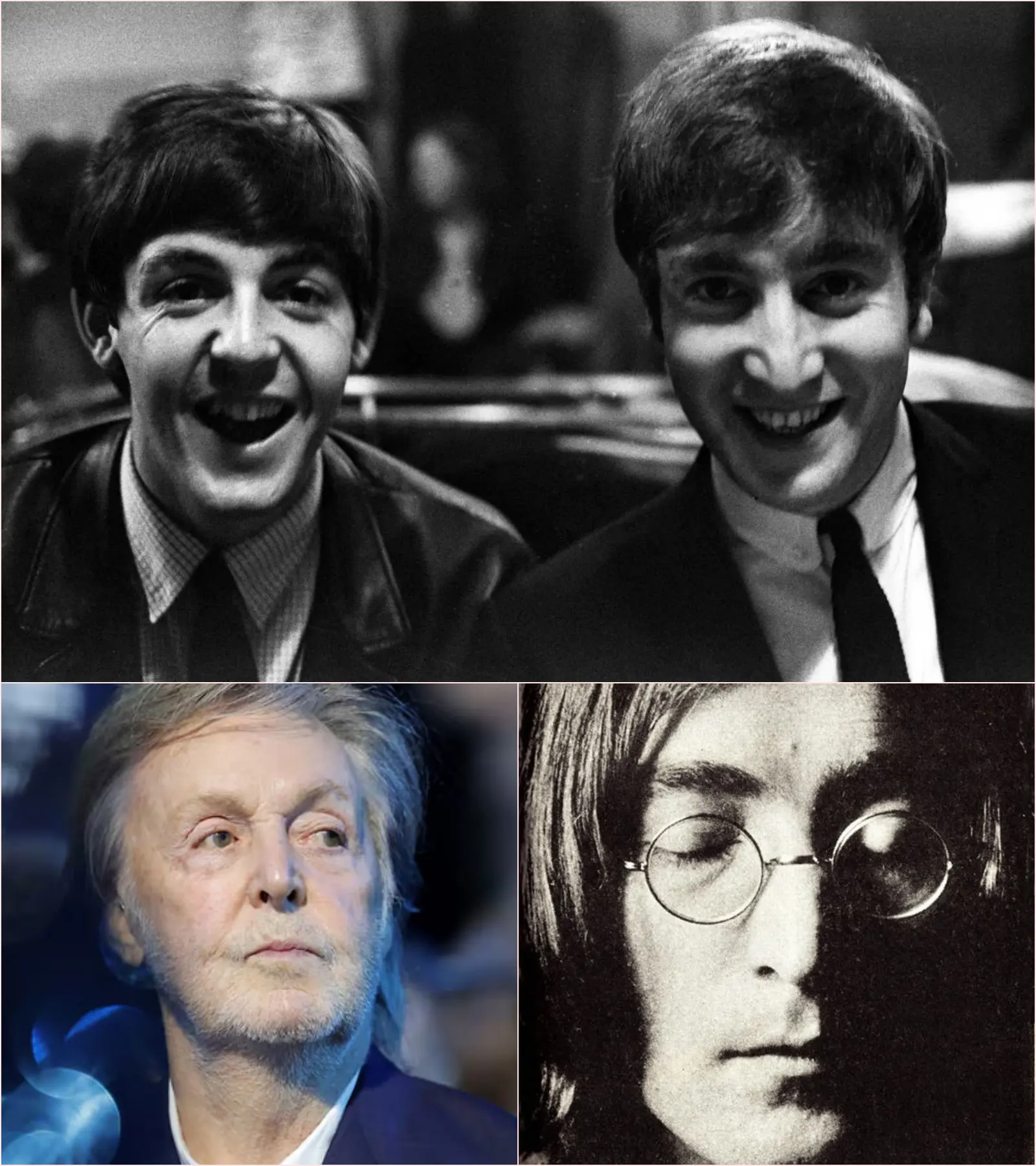
A 28-year-old described as a personal assistant and close confidant to Paul McCartney reportedly stepped into a bar fight hoping to stop it. The young assistant was shot and, according to the account, did not survive. McCartney’s name is what draws the eye, but the detail that stays with you comes a little later: the person at the center of the story had recently married and leaves behind a spouse and a 3-year-old child. A night that began like any other, as the account tells it, became the dividing line between the life this family had and the one they now have to learn to live.

The account offers little detail about what happened inside the bar beyond the claim that the assistant was trying to break up the fight. There’s no need to fill in those missing seconds to understand why that detail hits so hard. Someone saw a situation getting out of hand and reportedly stepped forward to help. At 28, they had a marriage still new enough to count in months or years, a child just beginning to make memories, and ordinary plans that probably seemed too routine to think much about. Those are the things a family expects to have time for.
There’s something especially painful about seeing the words “newlywed spouse” and “3-year-old child” in the same account. A recent wedding gives family and friends a set of memories they might still be talking about: who danced, who cried, which photograph best captured the day. A child that young may grow up knowing a parent through whatever fragments remain within reach: a voice on a home video, a favorite picture, a story someone remembers well enough to tell again. For the surviving spouse, those memories may one day become part of how they answer questions their child is only beginning to learn how to ask.
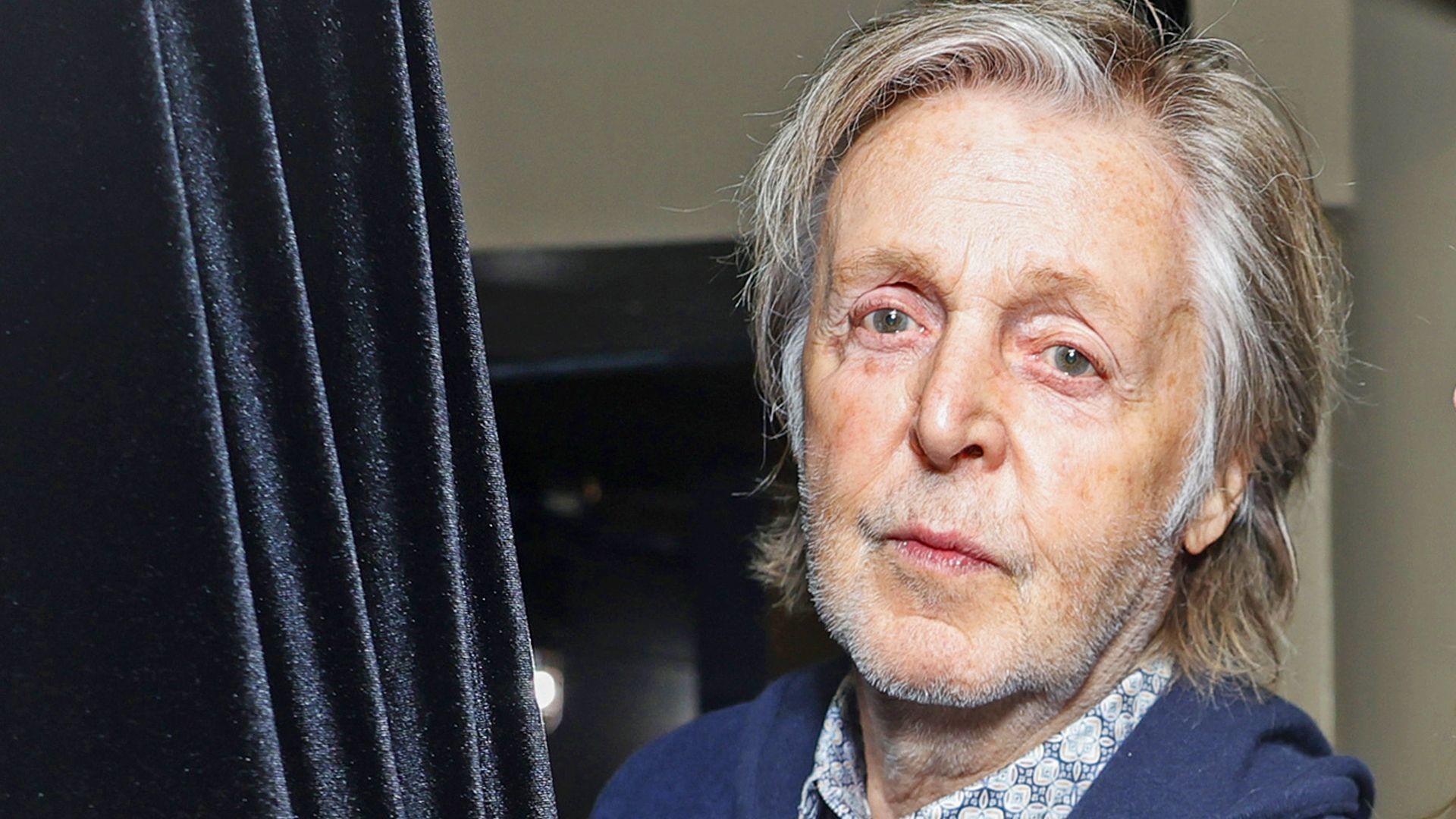
The reported connection to McCartney also draws attention to a kind of work that usually happens out of view. A personal assistant can know the shape of an artist’s day better than almost anyone, from the first call in the morning to the last change of plans before a show. Over time, working that closely can build a trust that’s difficult to describe from the outside. The circulating story calls the assistant a confidant, but it offers no public words from McCartney about the reported loss. Whatever the relationship meant to the people who lived it belongs first to them.

For listeners who have turned to McCartney’s music during hard times, it’s natural to think about the people around him when a story like this surfaces. Songs can feel so familiar that the person who sings them begins to feel familiar, too. That feeling may explain why strangers would want to send their sympathy. The kindest place for it to land is with the family at the center of the account. A brief, sincere expression of care can leave room for their grief without asking them to explain it or share more than they want to.
What lingers about this story is the young family it describes. The public may remember the famous name that brought the account to their attention. A spouse would remember the person they had just married, and the details of living together that would mean very little to anybody else. A child might come to know that same person through stories told at the kitchen table, perhaps hearing one for the first time years after everyone assumed it had already been told. The account gives us one terrible moment in a young life. The people who loved that person would have a whole life to remember, including the ordinary days that never made a headline and would now mean everything to have back.