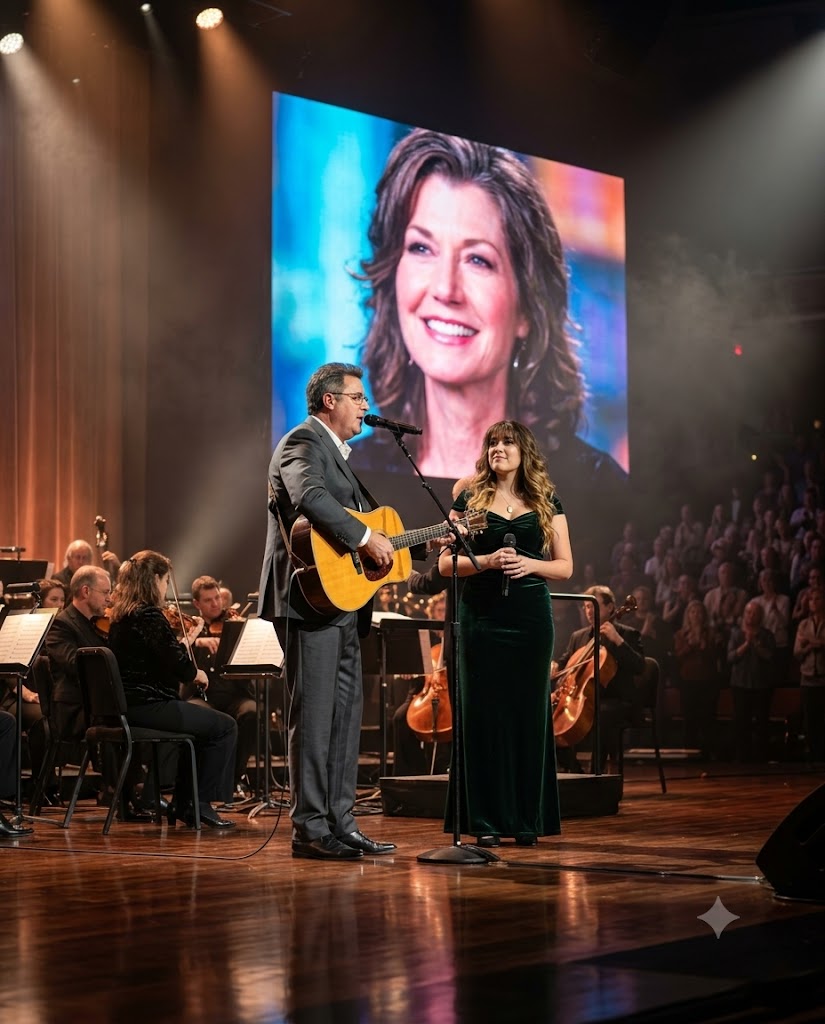
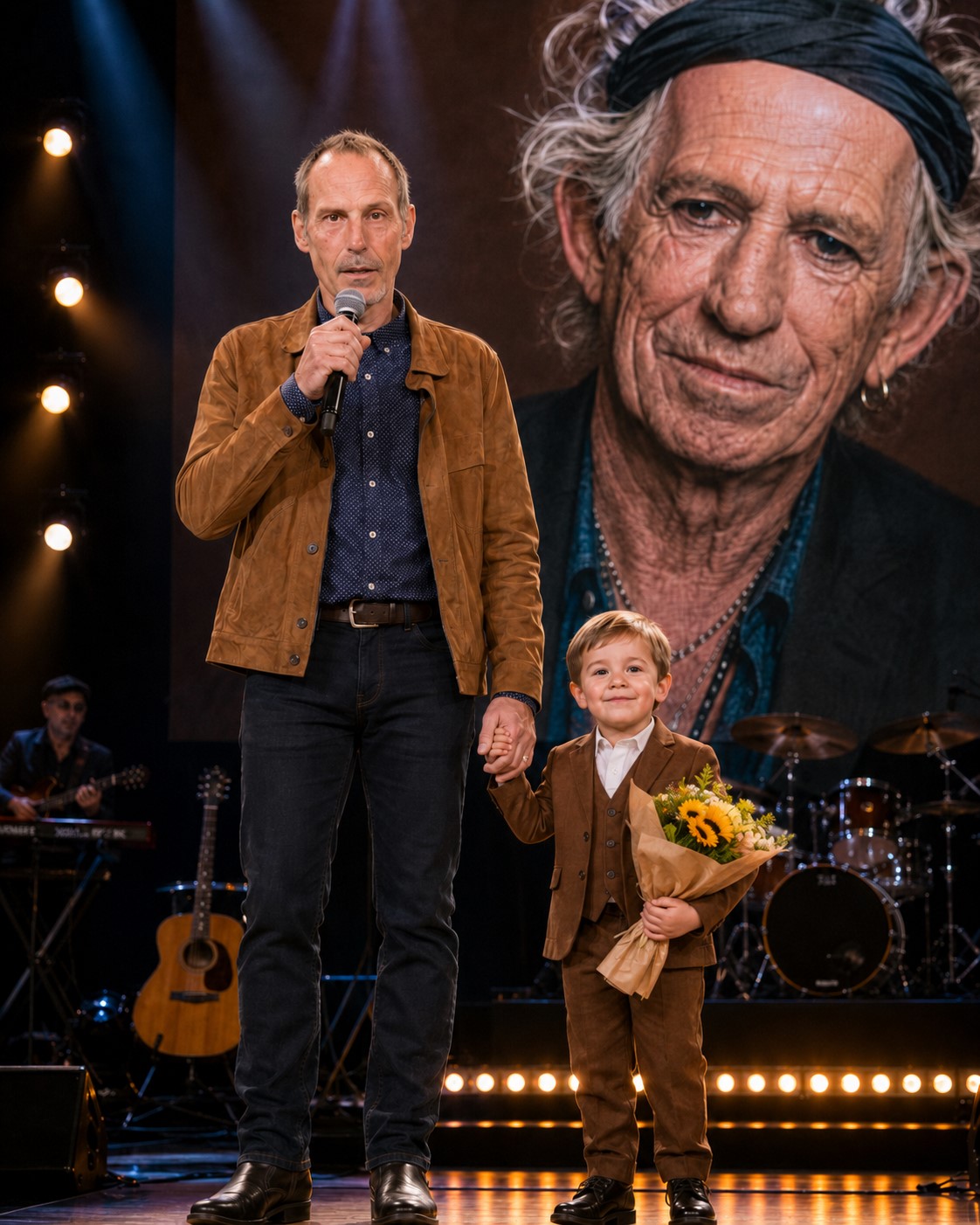
The surprise at Alan Osmond’s farewell came after a day of music and remembrance. It was a burst of fireworks, an unexpected ending to a gathering that had brought hundreds of people together in Orem and Spanish Fork, Utah. Osmond, the senior performing member of the Osmonds, died on April 20, 2026, at 76. His family and those who came to pay their respects remembered him with music and military honors, making room for both the grief of losing him and the joy he had brought into their lives. KSL.com

A separate account imagines country singer Alan Jackson quietly walking into the funeral to pay tribute. Jackson’s attendance and the performance described in that story are unconfirmed; local coverage of the services documents a different surprise. Still, the idea of a singer walking into a room full of mourners and offering them a song gets at something familiar. There are times when even the people who knew someone best can struggle to find the right words. A melody they already know can give them somewhere to begin. KSL.com

The imagined scene makes sense to anyone who has turned to Jackson’s records after a loss. He has a way of singing plainly about things that are hard to say plainly. In “Remember When,” a whole life together passes in a few minutes, and the memories feel close enough to touch. In “Sissy’s Song,” his voice gives the sorrow room without trying to explain it away. A singer who works that way would hardly need a grand entrance. The first few words would tell people they could take their time with whatever they were feeling.

For the Osmonds, music carried the added meaning of being something the family did together. Listeners heard harmonies; the family heard voices they had known long before those sounds reached an audience. That difference matters at a funeral. A song might remind a fan of a television appearance or a record played at home. For a relative, the same music could bring back the sound of a brother taking his part, the instant everybody came in together, or the pleasure of a rehearsal when a difficult passage finally worked.

That’s also why a musical farewell can reach people who knew the person in very different ways. One mourner may come with memories of ordinary days spent together. Another may know the sound of a voice from a record played decades earlier. A song gives both people the same few minutes, and each is free to remember something different. Nobody has to speak for the room. The music can hold the pause long enough for someone to wipe their eyes, look at the person beside them, or smile at a memory they hadn’t thought about in years.
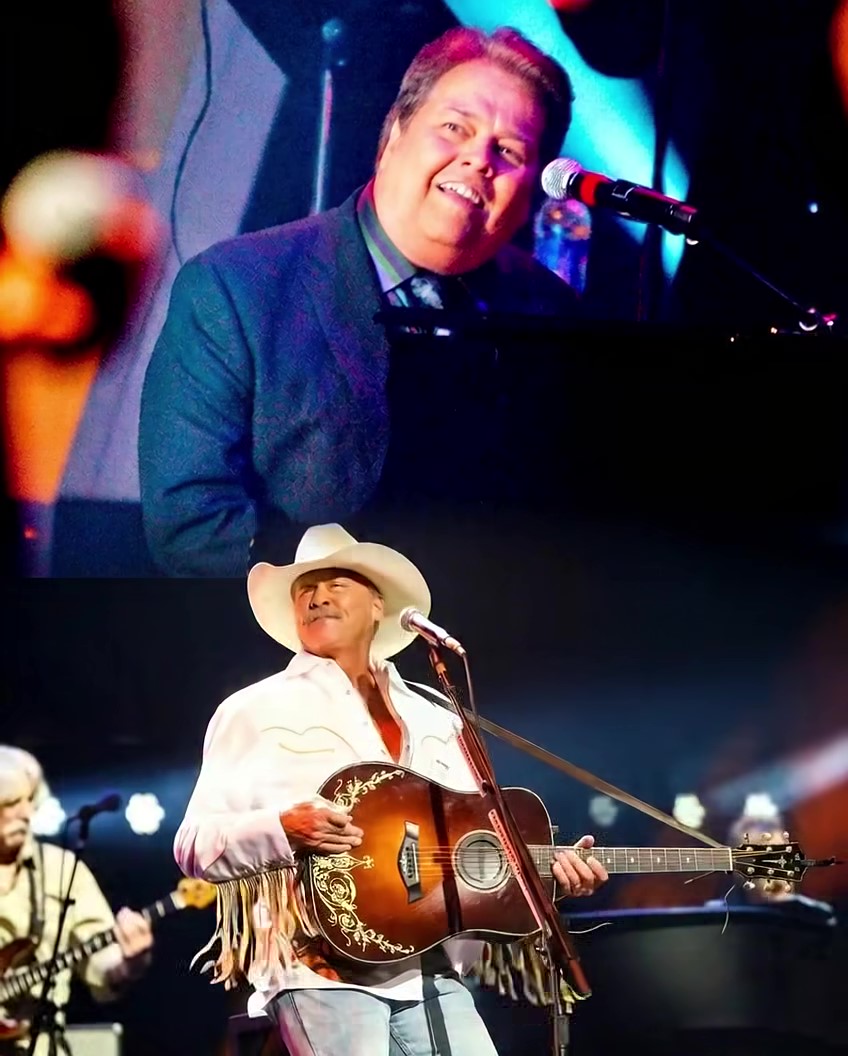
The fireworks at Osmond’s actual farewell gave the day a different kind of release. After the services and military honors, there was a moment when people could look up together. A surprise like that can feel especially tender at the end of a difficult day. The people gathered still had to go home and get used to an absence. For a little while, they also had something bright and unexpected to share, a memory they could carry away alongside everything they had come to remember. KSL.com
The imagined appearance by Jackson draws its emotion from the idea of one person showing up to say goodbye. Osmond’s real farewell carried that feeling through the people who came, the music they shared, and the surprise that closed the day. Long after the last burst of fireworks, someone who was there might hear an Osmonds song and remember looking up with the rest of the crowd. The song would be familiar. The memory it brought back would belong to that day alone.