For more than sixty years, Barbra Streisand has used her voice to move audiences through music and film, but one of the most personal battles of her later life has unfolded far away from a recording studio. In 2014, Streisand walked through the halls of Capitol Hill with an urgent message: women were dying from heart disease at devastating rates, yet the medical system still was not researching, diagnosing or treating female heart disease with the same attention given to men. More than a decade later, the fight she helped push into the national conversation is showing the kind of progress she once could only hope lawmakers would take seriously.
Back then, Streisand was not appearing in Washington simply as one of the world’s most famous entertainers. She arrived as an advocate who had already committed significant resources to women’s cardiovascular research through the Barbra Streisand Women’s Heart Center at Cedars-Sinai. She told lawmakers that a woman’s heart could present disease differently from a man’s and warned that women remained underrepresented in research. At the time, she argued that heart disease in women was receiving only a fraction of the research attention it deserved.

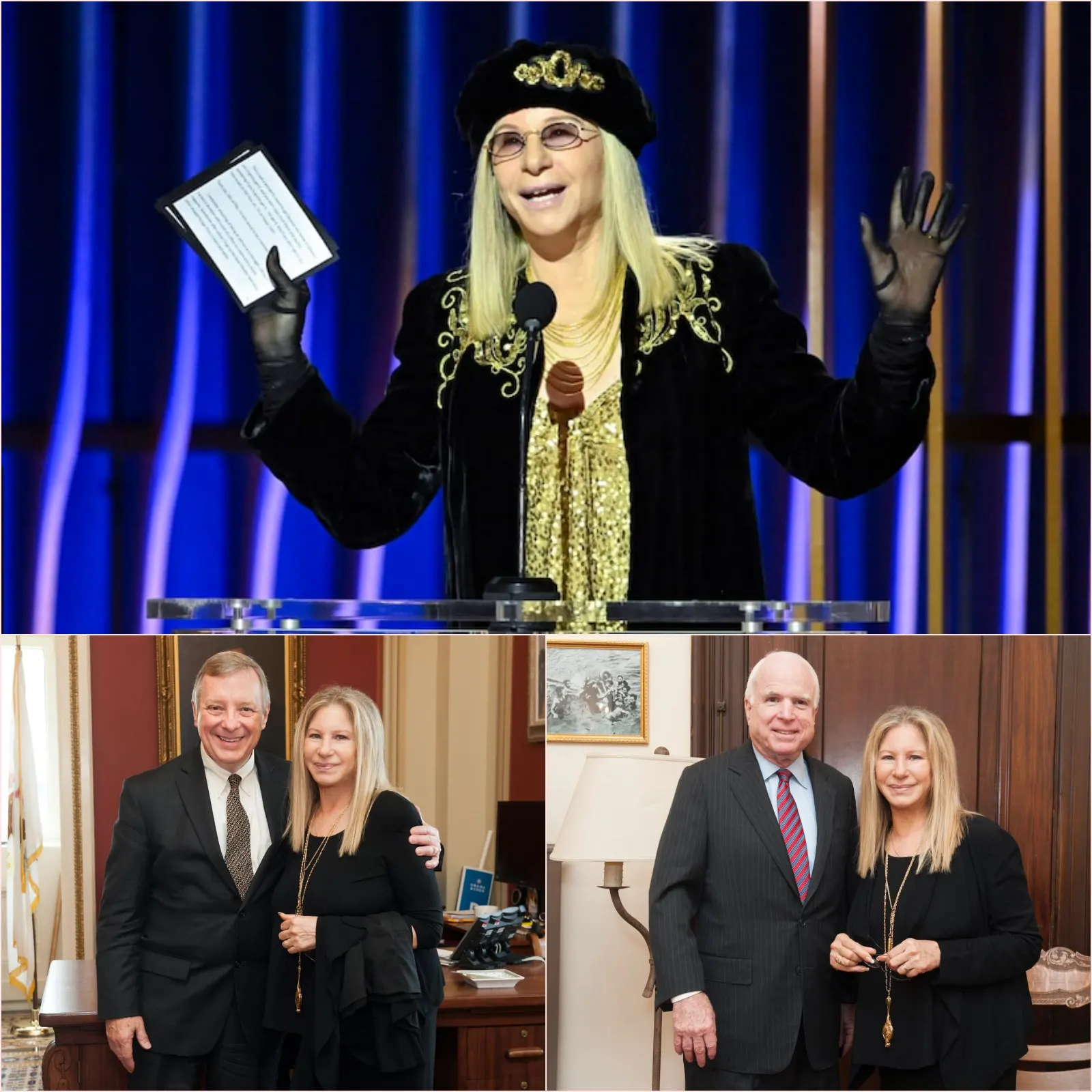
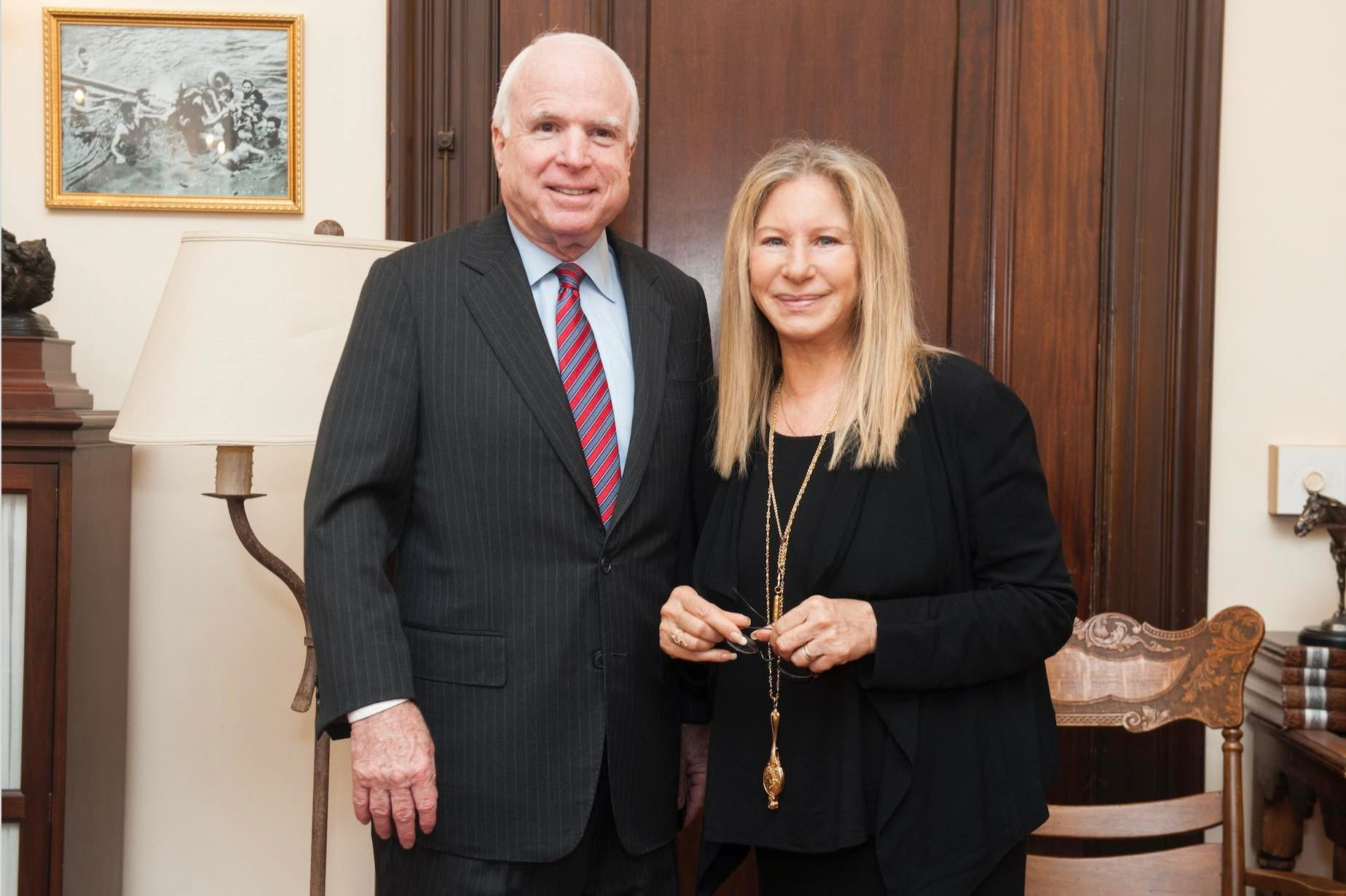
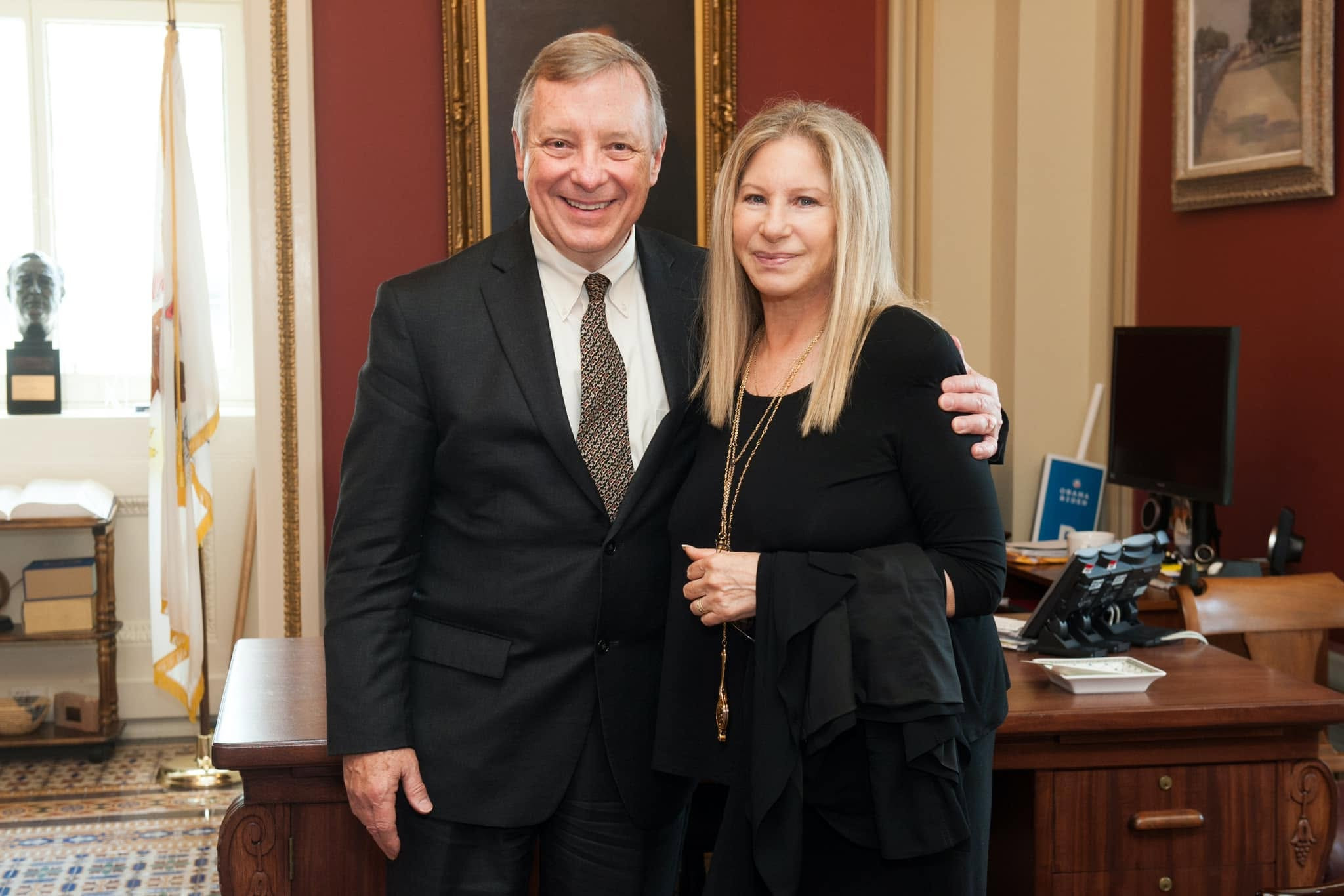
What made that visit especially meaningful was its bipartisan nature. Streisand met with Republican Senator John McCain, Democratic Senator Dick Durbin and other lawmakers from both parties. She was not asking them to agree about entertainment, elections or ideology. She wanted them to agree that women should not receive second-class medical research simply because decades of scientific assumptions had centered overwhelmingly on male bodies.
Years later, Streisand would look back on those meetings with gratitude. She credited work with McCain and Durbin with helping encourage the Department of Defense to devote medical research resources to studying women’s hearts, including female service members. By 2023, she could point to greater participation of women in clinical trials and policy changes requiring researchers to pay more serious attention to sex differences in medicine, while still insisting that progress remained painfully incomplete.
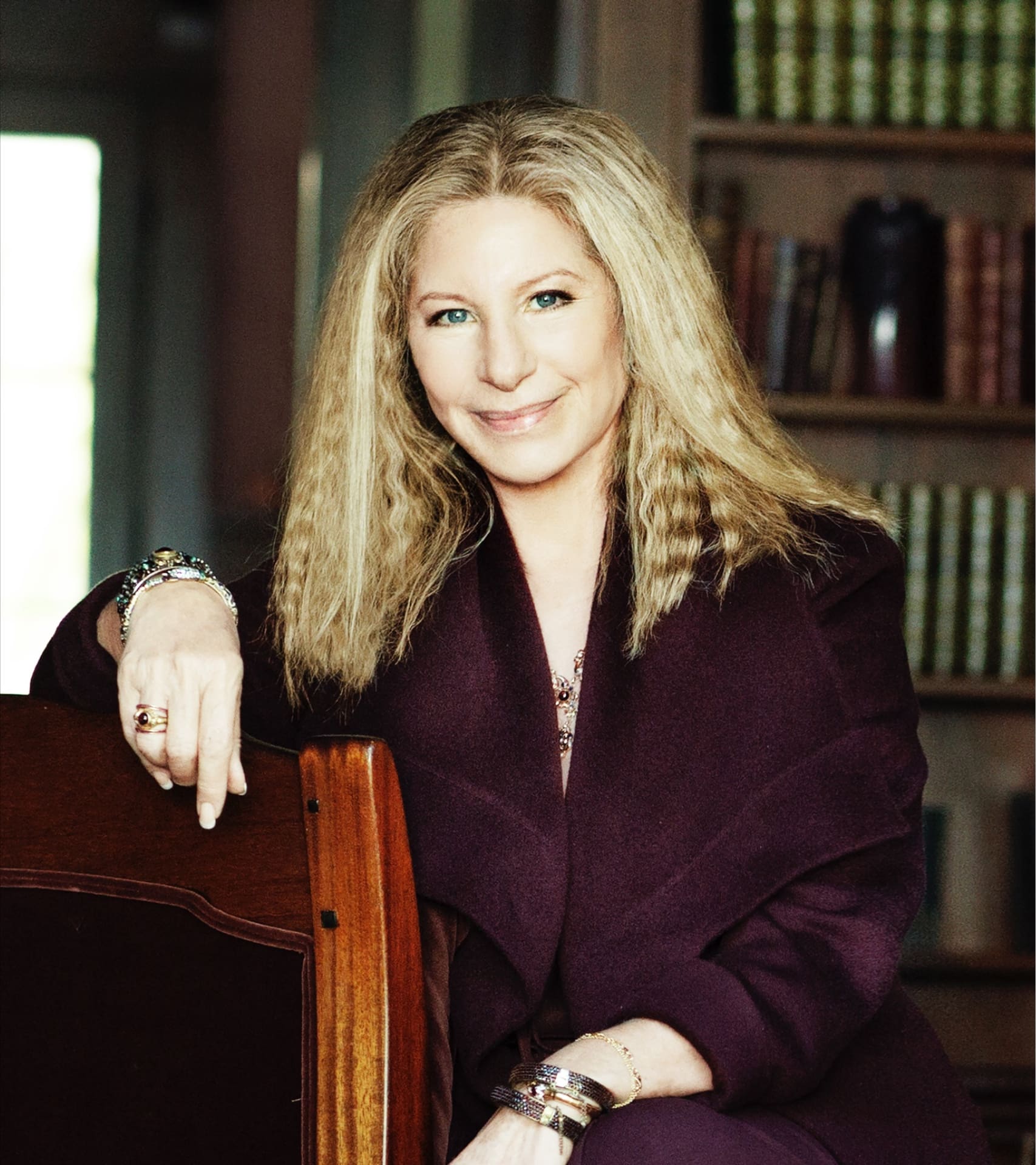
Then came a milestone that gave the long campaign new emotional meaning. In September 2024, the Department of Defense announced a commitment of $500 million to advance women’s health research through its Congressionally Directed Medical Research Programs. The initiative was designed to encourage research into conditions that affect women uniquely, disproportionately or differently, representing a major federal investment in questions advocates had spent years demanding be taken more seriously.
For Streisand, the announcement felt deeply personal. In a statement celebrating the news, she remembered her 2014 Capitol Hill visit and the frustration that originally drove her there. She described herself as delighted and encouraged by the DOD commitment while making clear that she viewed it as progress, not the finish line. Her message remained remarkably consistent with the one she had carried into Washington years earlier: women deserve research, treatment and medical attention equal to that provided to men.
That persistence may be the most revealing part of the story. Streisand could have written a check, attached her famous name to a medical center and moved on. Instead, she continued speaking about the issue, pushing policymakers and using the enormous visibility she had earned through entertainment to keep attention focused on women whose symptoms were too often misunderstood or overlooked.
Twelve years after that 2014 trip, the fight has not ended. Heart disease remains a profound threat to women, and Streisand has repeatedly said that far more research is still needed. But the landscape is no longer exactly the one she confronted when she first walked into those congressional offices.
Some victories arrive with applause the moment they happen. Others take years of meetings, persistence and refusing to accept that an inequality is simply the way things have always been.
For Barbra Streisand, this chapter of her legacy has little to do with Oscars, Grammys or standing ovations. It is about using a famous voice for women who needed someone powerful to keep asking why their lives were not receiving equal attention — and refusing to stop asking until the answer finally began to change.