When Clarence Clemons’s saxophone takes over in “Jungleland,” Bruce Springsteen stops singing and lets his friend finish the thought. The solo climbs, hesitates, and gathers itself again, carrying the ache of a story that has run out of words. It’s one of the most memorable passages on Born to Run, and it offers a way to hear what made the partnership work. Springsteen knew how to bring a song to the edge of what he could say. Clemons knew where to take it from there.
That understanding began in the early 1970s in Asbury Park, New Jersey, where musicians crossed paths in local clubs while trying to make a name for themselves. Springsteen was a young songwriter still finding the band that could play the music he heard in his head. Clemons, already playing with another group, had a saxophone sound that could command a room. He eventually joined what became the E Street Band. The scale of what they would do together was still years away, but the pleasure of hearing their sounds meet was there from the beginning.
By 1975, that connection was at the center of Born to Run. Springsteen was writing about young people who wanted out, wanted love, and sometimes had trouble telling the difference. The arrangements gave those desires a scale bigger than the streets the characters lived on. Clemons could make a song feel like it was bursting through a door, then give the next passage enough tenderness to make you wonder what someone had left behind. On “Jungleland,” his solo holds both feelings long enough for the listener to sit with them.

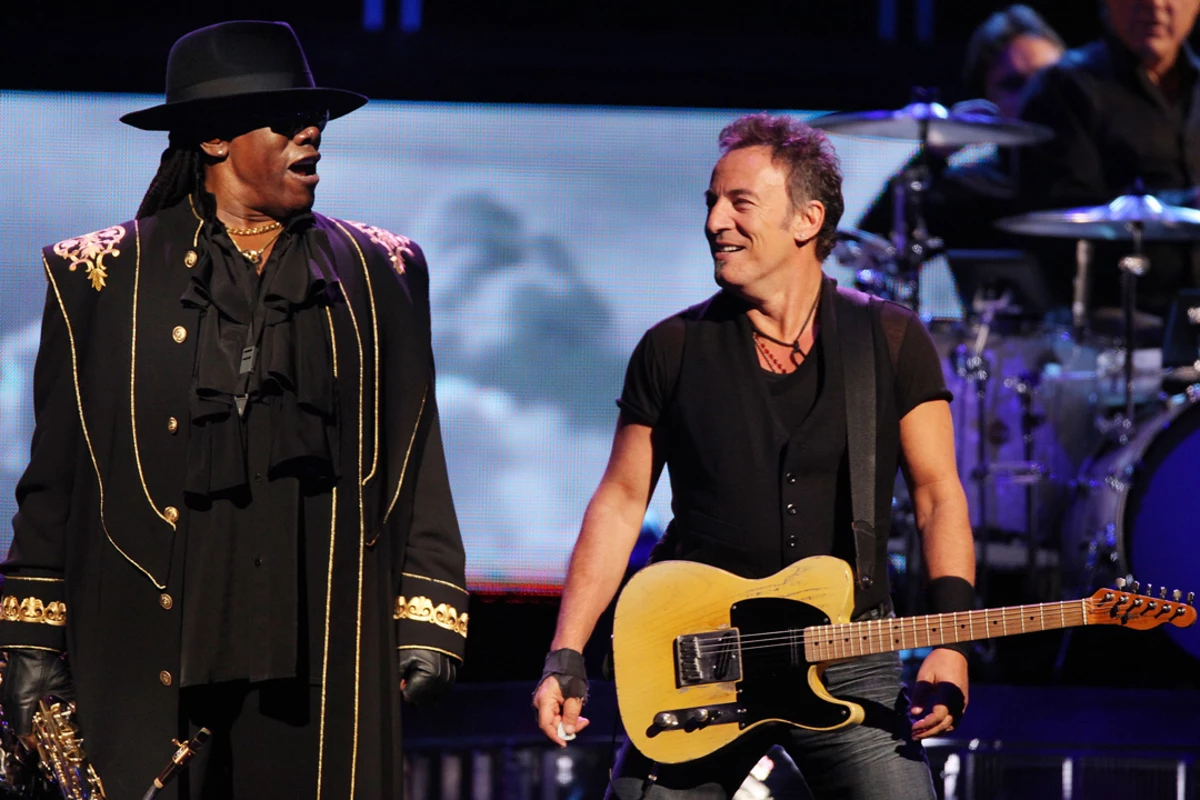
Onstage, the two men could be wonderfully unserious about a partnership that meant so much. Springsteen would cross the stage and throw his arms around Clemons, or lean in until their foreheads touched. You could watch Clemons stand his ground while Bruce did the running. The crowd knew him as the Big Man, and Springsteen’s exuberant introductions gave audiences a chance to welcome him in his own right. Those gestures became part of the pleasure of an E Street show. The music could be grand and heartbreaking, and the men making it could still crack each other up.
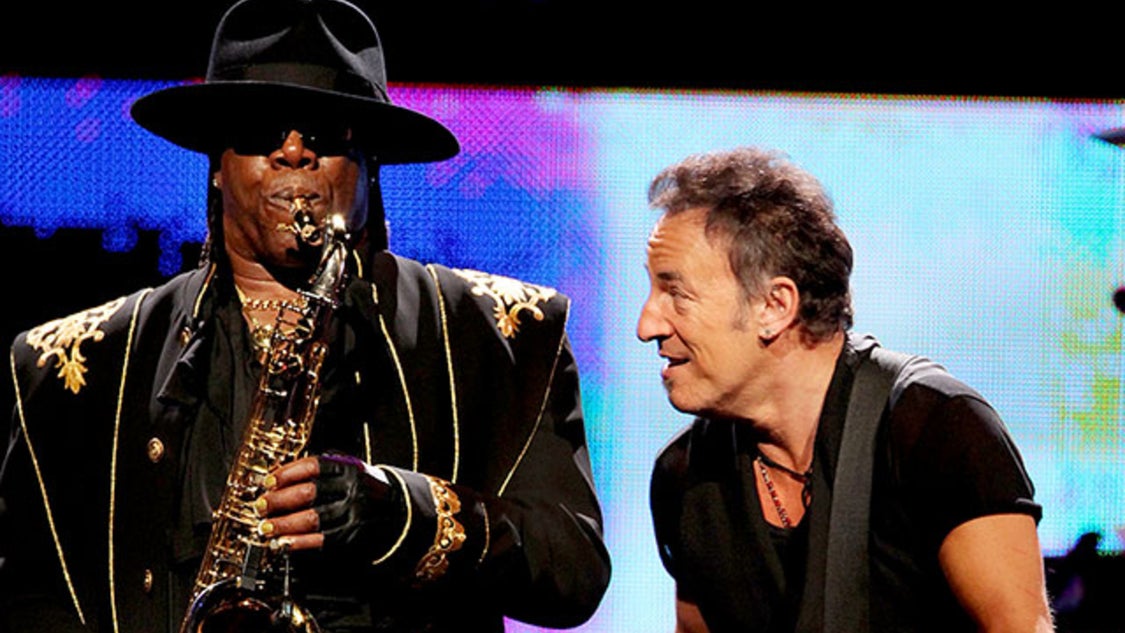
The band went through time apart and reunions, and the friendship lasted through those changes. That history gave an ordinary glance onstage a weight it wouldn’t have had between musicians who’d only just met. They knew how the other man moved, where he might leave space, and when to step into it. For fans who saw them across different stretches of their lives, the sight of Springsteen heading toward Clemons was one of the things that made a concert feel like coming back to a place they knew.
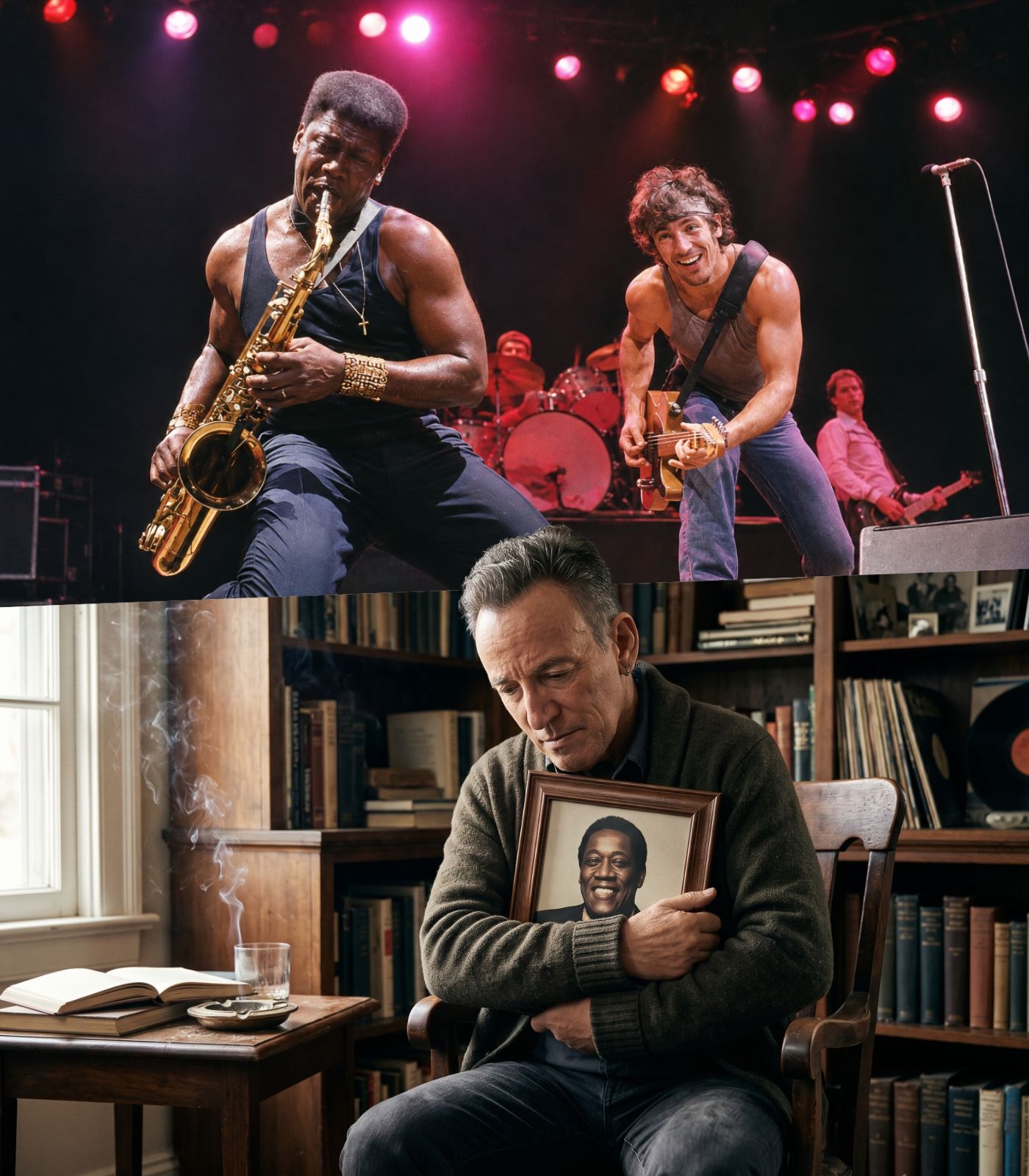
Clemons died on June 18, 2011, at 69 after suffering a stroke. Springsteen had lost a close friend of nearly four decades, and the E Street Band had lost a musician whose presence shaped the way it sounded and felt. When Clarence’s nephew Jake Clemons later joined the band on saxophone, the music could keep going with a connection to the family that had helped make it. A familiar passage could now carry two things at once: the pleasure of hearing it played live and the memory of the man whose playing had made it familiar.
The old footage still gives fans a chance to see what the records can only let them hear. Watch Springsteen turn toward Clemons as the saxophone comes in. For a little while, the man whose name is on the ticket is watching the same person everyone else is. That look helps explain why the Big Man’s absence was felt so deeply, and why his presence is still so vivid. Every time “Jungleland” reaches the place where the singing stops, there’s room for Clarence to say what only he could say.